
Affordability is the wall most first-time buyers hit before anything else.
Established houses in prime suburban pockets command very high prices, and strict borrowing limits and steep upfront cash requirements shut many people out. Off-the-plan property, which is purchased before construction is finished, runs on a different financial structure. The writer, who has spent ten years working closely with residential buyers and developers, says it has become a strategic pathway into the market. With lending standards tight, construction costs climbing, and housing shortages persisting, savvy buyers are choosing new builds over a fierce contest for tired, existing dwellings. What follows are the reasons this route suits people trying to get a foothold in a complicated market.
The payment structure comes first. A buyer typically secures the purchase price with a relatively modest deposit, often ten percent, and the remaining balance is not due until construction is complete. Three benefits flow from that. The buyer locks in today’s price, so if values rise substantially during the build, the capital gains arrive before the buyer even moves in. Settlement comes months or even years later, which gives the buyer an extended runway to keep adding to savings and eases mortgage stress. And a brand-new home spares the owner the Immediate repair bills, roof replacements, and plumbing overhauls that often weigh on older properties. In investment terms, the buyer enters with a smaller initial footprint and spreads the financial exposure across a manageable timeline.
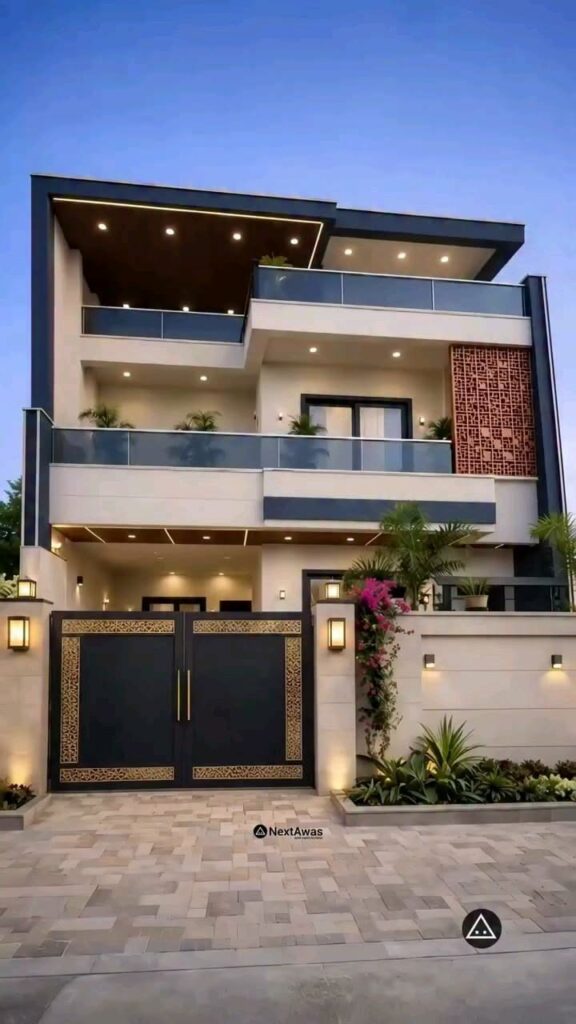
The traditional twenty percent deposit is the hardest step for many buyers, and government assistance programs and specialized banking products keep evolving to support new construction. Some grants shift with economic policy, but initiatives such as the First Home Loan scheme remain vital lifelines. These government-backed programs can cut the required deposit to as low as five percent for qualifying buyers who purchase new builds or off-the-plan property. Paired with an off-the-plan purchase, a low deposit speeds things up considerably. Instead of spending five to seven years saving aggressively while property values outrun the savings rate, the buyer can commit early, secure the asset, and let time work in their favor. Lenders also tend to look more kindly on financing for new builds, since modern, code-compliant dwellings carry lower Immediate risk profiles.
Market timing is a worry of its own. Property markets move in cycles, and slow periods or interest rate adjustments can make buyers hesitate for fear of buying at the peak. An off-the-plan purchase works as a natural hedge against short-term volatility. Construction runs anywhere from twelve to twenty-four months, so swings in the market during the build often smooth out by the time the keys change hands. If the broader market grows steadily over that stretch, the buyer’s equity position strengthens before settlement. Modern developments also tend to be master-planned communities, designed with future infrastructure, transport links, and commercial hubs in mind. Buying into one puts the owner where urban growth is heading, and the writer says that ensures superior long-term capital appreciation compared with stagnant, land-locked older neighborhoods.
Expectations for living spaces have shifted too. Today’s homeowners demand more than previous generations did, and energy efficiency, smart home technology, open-plan layouts, and acoustic insulation are now expectations rather than luxuries. Older homes often need expensive retrofitting to meet contemporary energy standards. An off-the-plan home, by contrast, is guaranteed to comply with the latest building codes, insulation standards, and environmental ratings. Developers increasingly build in sustainable features such as double glazing, high-performance heat pumps, solar panel readiness, and water-efficient fixtures. Those inclusions translate directly into lower ongoing utility bills and a healthier living environment. They also line the investment up with consumer preferences that will shape market demand for decades, which keeps the asset highly liquid and attractive if the owner later decides to sell or rent it out.

Put together, these points show that entering the property market need not be an overwhelming ordeal. By understanding the strategic advantages of off-the-plan property, first-time buyers can sidestep many traditional barriers, from excessive deposit requirements to costly maintenance on older homes. Low-deposit financing options, price-locking mechanisms, and modern, energy-efficient designs together offer a clear roadmap to homeownership. For anyone ready to stop renting and take control of their financial destiny, exploring off-the-plan opportunities could be the most Important decision of the year. The source’s closing advice is to contact its expert advisory team to review current developments, discuss financing eligibility, and find a property suited to long-term goals.
Buying before the first brick is laid trades a smaller deposit and a locked-in price for patience during construction. The payoff is a new, code-compliant home in a community built around future growth. Whether that trade-off fits is something every buyer has to weigh against their own savings, timeline, and goals.
If this breakdown was useful, hit the subscribe button to follow more reports like it. Give the video a like if it helped, and turn on the notification bell so the latest stories reach you the moment they go live.”