
Navigating the American Housing Crisis: Why Homes Are Expensive and Hard to Find
Over the past decade working hands-on in the property sector, I have watched the dream of property ownership shift from a reliable milestone into a complex financial puzzle for millions of Americans. When people ask me why finding a place to live has become so grueling, the answer rarely boils down to just a single culprit. Instead, a colliding storm of macroeconomic pressures, demographic shifts, inventory shortages, and shifting lifestyle choices has transformed the residential real estate landscape across the United States.
To understand where the market stands today, we have to look past the surface headlines and examine the core factors driving up costs and locking everyday buyers out of the market.
The Tale of Two Markets: Disparities in Pricing and Ownership
Real estate has always been hyper-local, but the geographical divide in pricing has reached staggering extremes. Consider Atherton, California, where the median home listing price routinely hovers near $8 million, making it one of the most expensive housing markets in the entire country. Contrast that with West Virginia, where the median property price sits comfortably around $140,000, and you see the immense friction in national housing mobility.
Interestingly, this price disparity directly flips homeownership rates. West Virginia boasts one of the highest ownership rates in the U.S. at nearly 75%, while California lingers closer to 55%. Nationally, roughly 65% of households own their dwellings, a figure that has remained somewhat resilient over time despite severe headwinds.
Property ownership has historically served as the cornerstone of generational wealth accumulation for more than a century. Today, over a quarter of these residential properties are valued above half a million dollars, representing a massive portion of owner equity. Internationally, countries like Laos and Romania push past 95% ownership, but within developed Western economies, the U.S. model relies heavily on private property equity as a primary vehicle for middle-class financial security.
The Michigan Advantage and Square Footage Realities
Looking closer at regional strongholds, Michigan stands out as a national leader in both tenure and occupancy rates. Ownership rates here hover above 70%, and what is equally telling is that residents tend to stay in their dwellings for decades.
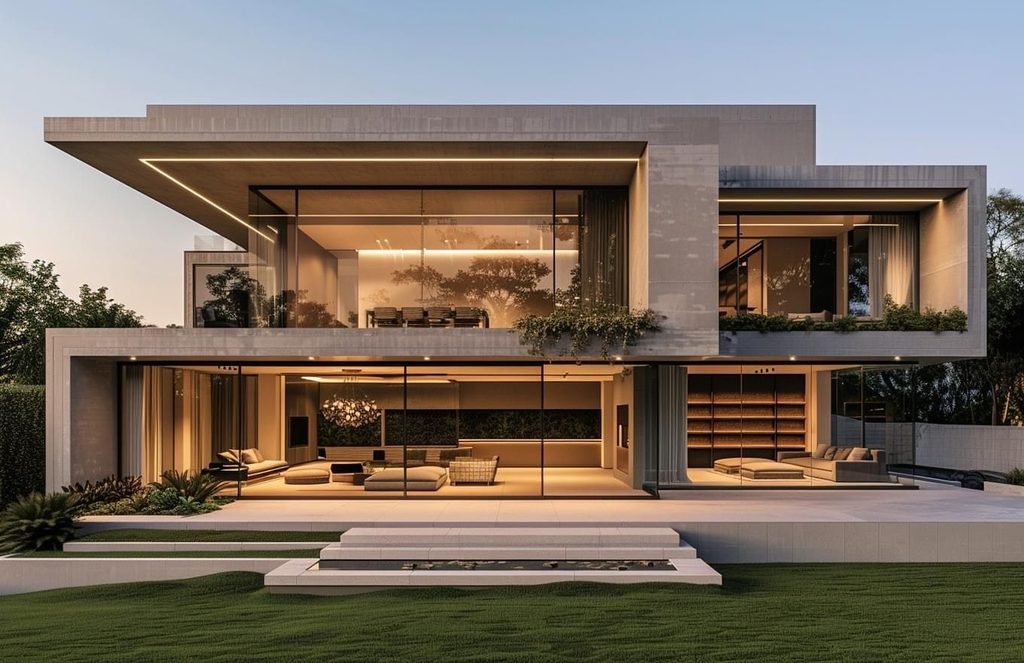
The median price of a home in Michigan sits around $250,000, reflecting a steady year-over-year climb of roughly 4%. More importantly, your purchasing power stretches much further here than in coastal metros. While the national median square footage for a residence hovers around 1,800 square feet, properties in Michigan routinely exceed 2,000 square feet.
New construction homes nationwide skew larger—often exceeding 2,500 square feet—which unfortunately does little to help first-time buyers seeking modest entry-level options. The market is saturated with oversized builds while desperately lacking starter properties.
The Roots of the National Housing Shortage
To grasp why finding a place to live is so difficult, we must examine raw supply and demand. Recent federal and industry data indicates that the United States contains nearly 150 million homes, with over 130 million occupied. Yet, organizations like the National Association of Home Builders have warned for years that structural deficits loom large due to rapid population growth coupled with an aging housing inventory.
Current estimates suggest the U.S. faces a structural shortfall of nearly 6 million available homes nationwide. California alone accounts for an estimated deficit of 2 million residences, while New York trails with nearly 1 million missing units.
However, raw numbers fail to tell the whole story; affordability remains the ultimate bottleneck. When inventory dries up in high-demand economic hubs, prices surge beyond the reach of average earners. Conversely, micro-markets fluctuate wildly. For instance, parts of Fort Lauderdale, Florida, have experienced overbuilding in specific luxury segments, pushing median prices past $500,000 where a vast majority of closed sales ultimately sell below list price due to cooling buyer urgency. True market balance requires constructing housing stock specifically tailored to the demographics actively trying to buy.
Macroeconomic Shifts: Interest Rates and the “Lock-In” Effect
Several unique economic catalysts intensified this crunch over recent years. Right on the cusp of the COVID-19 pandemic, a massive segment of the workforce discovered remote flexibility, prompting a frantic migration wave. Shortly after, soaring inflation forced the Federal Reserve to aggressively hike interest rates.

This sudden spike in borrowing costs created the notorious “lock-in” effect. Millions of homeowners who secured ultra-low 30-year fixed mortgages during the pandemic suddenly found themselves anchored to their properties. Walking away from a 3% mortgage rate to finance a new home at significantly higher rates made little financial sense for mobile buyers, effectively freezing resale inventory in its tracks.
At the same time, older American adults began rewriting retirement migration trends. For decades, conventional wisdom assumed retirees would automatically flock to warmer Southern climes for their golden years. Instead, many discovered that relocating meant severing vital life anchors—trusted local physicians, long-standing community spaces, neighborhood social circles, and nearby family support networks.
Consequently, older adults are increasingly choosing to stay put, pouring capital into home renovations designed to support aging in place safely. Upgrading an existing kitchen, widening doorways, or installing step-in showers often makes far more financial sense than navigating today’s hostile purchase market.
The Generational Divide in Modern Real Estate
While overall U.S. ownership rates remain steady in the mid-to-high 60% range, a stark generational divide threatens the long-term health of the market. Nearly 80% of adults over the age of 65 own their residences, but that figure plummets to under 40% for young adults under the age of 35.
Lower fixed-rate mortgage money will undoubtedly help alleviate this demographic pressure, but financial tweaking alone cannot fix a fundamental supply crisis. Affordability is never a one-size-fits-all issue. Scarce land availability, stringent zoning laws, burdensome development fees, and high capital costs conspire to limit housing mobility for millennials eager to enter the market.
Moving Forward: Building Sustainable Solutions
Overcoming these systemic hurdles requires a collaborative approach between everyday buyers, municipal planners, and seasoned industry professionals. Whether you are looking to optimize your current living space through strategic remodeling or preparing to enter the competitive purchase market, expert guidance is invaluable.
If you are feeling stuck in your current property search or want to evaluate whether remodeling your existing home makes more financial sense than relocating, let’s connect today to map out a clear, actionable strategy for your real estate goals.