
Navigating the German Housing Market: Why Property Prices and Rents Will Keep Climbing Through 2028
The European real estate landscape is undergoing a fascinating yet challenging transformation, and nowhere is this more pronounced than in Germany. Having spent over a decade analyzing macroeconomic shifts, cross-border real estate investments, and structural housing shortages across the continent, I have rarely witnessed a market dynamic quite as complex as the one currently unfolding in Europe’s largest economy.
If you are a prospective buyer, an institutional investor, or a tenant trying to make sense of soaring monthly costs, the writing is on the wall. According to recent comprehensive market data and property analyst consensus, German home prices are projected to climb by approximately 3% annually through 2028. While this reflects a resilient recovery following the severe market contractions of recent years, it also signals a persistent affordability crisis that will continue to lock out first-time buyers and keep rental markets fiercely competitive.
Understanding the underlying mechanics of this trajectory requires looking past headline figures and diving deep into the structural imbalances, monetary policies, and supply constraints driving German real estate today.
The Post-Slump Recovery: From Trough to Steady Growth
To appreciate where the market is heading, we must first contextualize how far it has traveled. Following the worst market slump in decades, Germany’s residential property sector has staged a noteworthy rebound. Property values have climbed nearly 6% from their early 2024 troughs, instilling a cautious sense of optimism among developers and seasoned investors alike.
This recovery is not merely anecdotal; it is backed by leading indicators. For the first time in four years, building permits experienced an uptick, signaling that developers are slowly regaining confidence to break ground on new projects. Analysts surveyed by consensus polling project average home price increases of 3.3% in 2026, followed by steady 3.0% gains in both 2027 and 2028.
Yet, this growth occurs against a backdrop of intense economic crosscurrents. The European Central Bank (ECB) is widely expected to maintain euro zone interest rates on hold for the remainder of the year, following an earlier series of cuts that provided initial breathing room to the market. However, emerging geopolitical risks—particularly conflict in the Middle East and associated energy and inflation threats—have tilted the scales, raising the probability of future policy tightening.

The Affordability Squeeze and First-Time Buyers
For everyday citizens looking to achieve homeownership, the mathematical reality is becoming increasingly daunting. Ten out of twelve leading property market analysts agree that residential real estate will become progressively less accessible for first-time buyers over the next twelve months.
As Carsten Brzeski, global head of macroeconomics at ING, aptly notes:
“The market’s recovery is likely to continue but remains shaky. Consumers remain cautious given high levels of uncertainty both for geopolitics but also domestic policies, the rise in unemployment and slowing wage growth. Affordability remains a concern. The risk is high the average age of first-time homebuyers will increase further.”
When property appreciation consistently outpaces wage growth, aspiring owners are forced to delay their purchasing timelines, save larger down payments, or compromise on location and square footage. This delay ripples across the broader demographic landscape, altering family planning, household formation rates, and long-term wealth accumulation patterns across Germany.
The Root Cause: A Structural Supply Deficit
Why do prices continue to march upward despite economic headwinds and cautious consumer sentiment? The answer boils down to a fundamental economic law: acute, unyielding supply shortages.
Despite the recent stabilization in building permits, actual construction volumes fall woefully short of what is required to satisfy demographic demand. Spring real estate reports indicate that just over 200,000 new homes are projected to be completed this year. Compare this figure to a landmark study commissioned by the German housing ministry, which concluded that a minimum of 320,000 new residential units must be built annually through 2030 simply to balance the scales.
This deficit is not distributed evenly across the country. It is acutely concentrated in major metropolitan hubs and economic centers where job growth attracts a constant influx of residents.
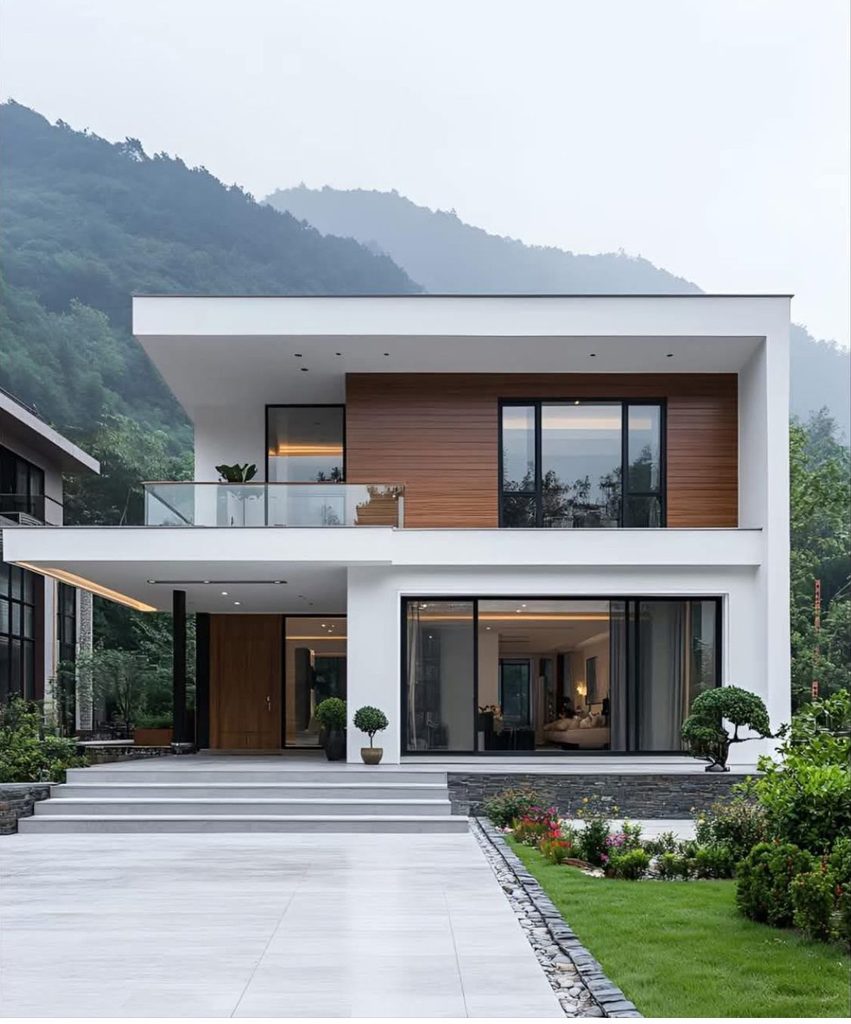
Rental Markets Under Pressure: Urban Vacancy Rates Near Zero
For those priced out of purchasing, the rental market offers little relief. In fact, average urban home rents are expected to surge between 3.0% and 4.5% over the coming year, frequently outpacing the rate of home price appreciation.
Benedikt Horwedel of LBBW highlights the gravity of the situation:
“Vacancy rates for apartments in some metropolitan areas are falling below 1%, while demand remains strong. In larger cities, only just over 50% of the required apartments are being completed. A noticeable easing of the situation is not conceivable for several years.”
When vacancy rates drop below 1%, landlords operate in a hyper-competitive seller’s (or lessor’s) market. Tenants face fierce bidding wars for available listings, escalating monthly rents, and strict qualification criteria. Without a massive, coordinated surge in urban residential development, this squeeze will remain a defining feature of German city living for the foreseeable future.
Strategic Outlook for Investors and Buyers
Navigating this environment requires a disciplined, long-term perspective. Whether you are looking to deploy capital into European residential real estate, secure a mortgage, or optimize your housing budget as a tenant, strategic planning is essential.
Evaluating property acquisitions requires looking beyond near-term price fluctuations and focusing on micro-locations with robust employment drivers, strong municipal infrastructure, and constrained land availability. Meanwhile, first-time buyers must explore alternative financing structures, government-backed subsidy programs, and regional sub-markets where entry barriers remain manageable.
Are you looking to navigate the shifting European property market, evaluate real estate investment opportunities, or secure favorable financing in a high-rate environment? Take the next step by connecting with an experienced advisory team to build a tailored portfolio strategy today.