
Here is the question worth asking, according to one real estate acquisition consultant and financial advisor: not which property type is bigger, but which one makes every dollar, hour, and address work harder.
After ten years of sitting across the table from home shoppers, he has settled on an answer. The apartment, he says, is no longer the consolation prize.
Hundreds of prospective buyers have asked him to weigh a detached single-family house against an apartment, and he says the market they enter looks little like the one their parents navigated. Urbanization, economic volatility, and changing lifestyle priorities have reshaped it. In his judgment, the apartment now ranks among the most strategic financial moves available to a modern buyer.
His argument is aimed at two groups. One is the buyer purchasing a primary residence. The other is the investor pursuing passive income through real estate investment trusts and rental properties. For both, he says, a multi-family or condominium unit offers liquidity, lifestyle flexibility, and wealth preservation in a combination few other assets can match. He gives several reasons the asset class works as a vehicle for financial growth.
Start with the cost of entry. For most newcomers, the capital a detached single-family home requires is a genuine barrier. An apartment lowers that barrier considerably, usually through a smaller down payment, lower closing costs, and more manageable mortgage payments. First-time homebuyers and young professionals trying to escape the rental cycle gain a way in. Stretching to afford a sprawling suburban house can instead drain liquidity reserves and strain the debt-to-income ratio. An apartment buyer, by contrast, can put capital to work right away and build equity without crushing financial pressure.
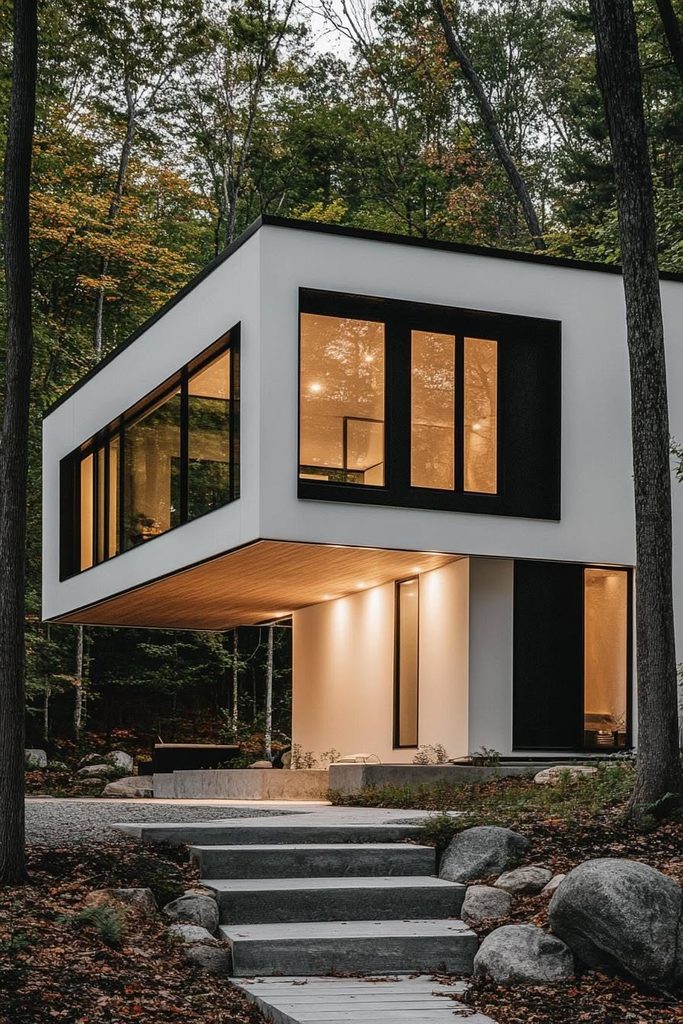
Location is next, and the old property maxim holds that it drives everything else. In prime metropolitan centers, detached homes frequently sell far above what average earners can pay. Apartments narrow that gap and dominate the high-demand urban corridors. Someone who owns a metropolitan condo or flat lives minutes from central business districts, tech hubs, elite dining, cultural hotspots, and public transit networks. Shorter daily commutes return hours to the owner, and they also keep demand for the property strong.
Location shapes how value accumulates over time, too. Real estate has long been regarded as a strong hedge against inflation, and apartments in thriving urban centers get added support from land scarcity. No one can manufacture new land in the heart of a booming city, and desirable city-center parcels are finite. The underlying value of urban apartment complexes therefore climbs steadily over the years. Municipalities are growing denser and transit-oriented development is spreading, and in that setting well-managed apartments in expanding metropolitan regions also tend to beat outlying suburban properties on resale demand. For the consultant, that makes an apartment a secure anchor for long-term net worth.
Day-to-day ownership is where the two options part ways most sharply. Ask a homeowner to describe a typical weekend and the answer often reads like a task list: clearing gutters, fixing the roof, mowing the lawn, servicing the HVAC system. Apartment living lifts much of that burden, and the consultant considers this advantage underrated. Most apartment communities and condominiums run under a Homeowners Association, or HOA, or a professional management framework. That body handles exterior maintenance, landscaping, hallway cleaning, and structural repairs. Corporate executives, entrepreneurs, and retirees benefit most, because the time they recover can go toward career advancement, family, or leisure.
Safety and social connection are basic human needs, and both affect property value and quality of life. Modern apartment complexes treat security as a top priority and offer protection that a lone homeowner on a standalone lot would struggle to build or afford. Gated access points, 24/7 concierge desks, closed-circuit surveillance, and secure electronic key fobs combine into dense, layered protection. Community living adds a social dimension. Shared fitness centers, rooftop lounges, and community courtyards create natural opportunities to network and socialize, easing the isolation that often settles over sprawling suburban neighborhoods.
Amenities extend the appeal. Contemporary life demands convenience, wellness, and flexibility, and today’s apartment developments are designed to deliver a resort-style experience that no single-family owner could replicate alone without prohibitive costs. Rooftop gyms and infinity swimming pools share space with co-working areas, private dining rooms, and parcel locker systems, all tuned to the dynamic routines of contemporary professionals. Residents receive this built-in ecosystem without making large supplementary investments.

An owner who wants more than a personal sanctuary can turn the apartment into passive income. Rental yields on urban apartments frequently exceed those on large suburban homes, because students, young professionals, medical residents, and corporate transferees keep the renter pool large and constantly replenished. An investment apartment generates a steady, predictable stream of cash flow. Paired with professional property management, it becomes a virtually hands-off engine of wealth, and one that diversifies an investment portfolio away from volatile stock markets.
Environmental considerations round out his list. Sustainability is no longer optional; it has become a core design principle in modern real estate. Newly built and retrofitted apartment complexes are engineered with cutting-edge green technologies. Shared structural walls sharply cut heating and cooling energy loss compared with detached houses, and modern buildings often add solar arrays, smart thermostats, high-performance double-glazed windows, and electric vehicle charging stations. An apartment buyer can shrink a personal carbon footprint and pay significantly lower utility bills at the same time.
Taken together, these points explain the apartment’s rising stature. Today’s economic landscape calls for a balanced approach that pairs lifestyle comfort with aggressive financial prudence, and an apartment strikes that balance through accessibility, strategic urban positioning, effortless maintenance, and powerful income-generating potential. A buyer establishing independence in a vibrant city center and a buyer assembling a robust real estate portfolio for retirement can each find in an apartment a foundation for enduring financial growth. The consultant’s practical next steps are to explore current market listings, consult a qualified property acquisition specialist, and take the first step toward securing an ideal apartment.
Every item on his list traces back to a single idea: an apartment puts a buyer’s money, time, and location to work all at once. Whether the goal is a home or an income source, the choice between a house and an apartment turns on how well each option serves the buyer’s financial and lifestyle priorities. That is the yardstick he keeps returning to, and it leaves one measure for any purchase: how hard each dollar, each hour, and each address is working.
If this report gave you something useful, hit subscribe so every new video lands in your feed. Tap the like button to show that coverage like this is worth making, and switch on the notification bell so the latest stories reach you the moment they go live.