
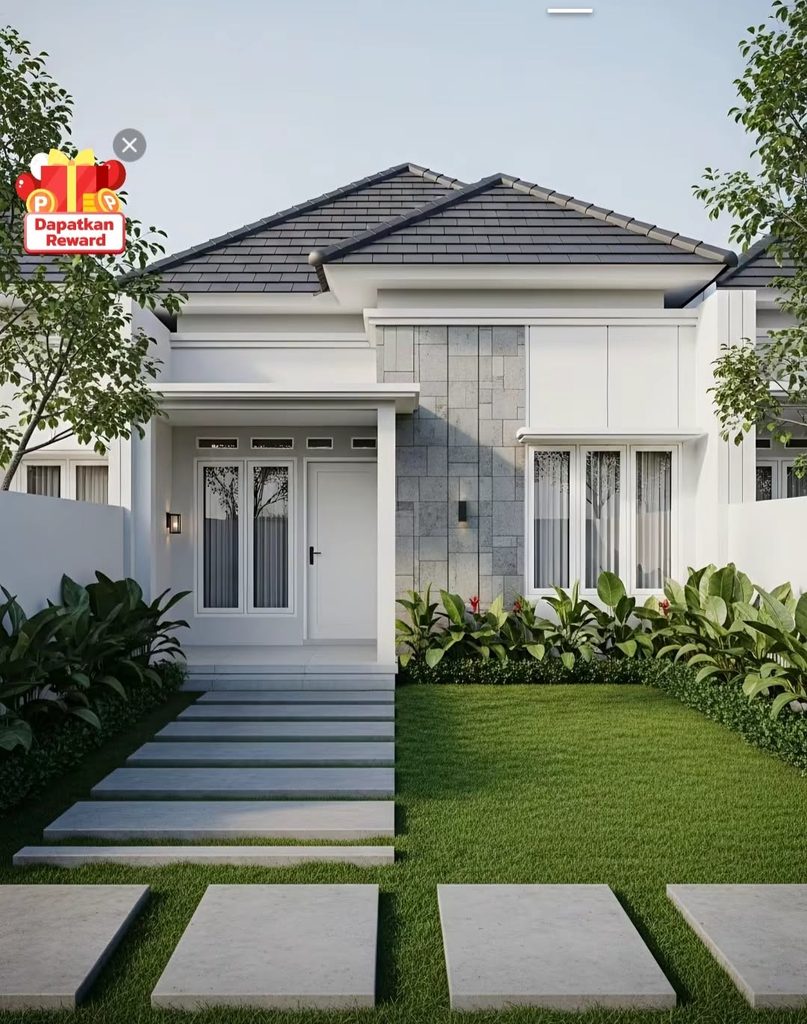
According to a real estate acquisitions consultant and market analyst, one type of residence manages it: the apartment. He has spent ten years watching buyers pursue the single-family house with a white picket fence, the Image many Americans still associate with success. That Image, he says, no longer fits the market, because structural changes in recent years have redrawn the dream.
In his assessment, condominiums and high-rise residences are increasingly treated as premier assets. They pair affordability with convenience and long-term equity growth, and he traces the trend to housing economics, urban planning, and shifting lifestyle preferences. He does not see an apartment as merely a place to sleep. For him, buying one is a deliberate investment that suits modern financial health, especially as metropolitan areas across the country grow denser and housing demand moves. By his reckoning, it could be one of the most lucrative financial decisions a person makes this decade.
He starts his argument with time, which he calls our most non-renewable asset. A traditional house can swallow entire weekends through roof repairs, gutter cleaning, lawn mowing, and HVAC servicing. An apartment moves a household toward low-maintenance living. Most managed apartment communities and condominium associations employ dedicated maintenance teams that handle exterior upkeep, landscaping, structural repairs, and the care of shared amenities. Busy corporate executives, remote professionals, and retirees recover countless hours, and they can spend that time on career advancement, family, or travel instead of handyman chores.
Money comes next, because access to capital shapes the path of every new owner. Detached houses frequently carry steep price tags, large down payments, and heavy closing costs, and those barriers shut out many motivated buyers altogether. Apartments offer a more practical entry point. Their floor space is optimized and the cost of land is spread across several units, so they generally sell for less than standalone homes. He expects first-time buyers, millennials, and Gen Z professionals to benefit most, since they can build equity without a crushing burden. A lower purchase price also brings lower property taxes, and homeowner association (HOA) fees are easier to absorb than the cost of maintaining an entire standalone property.

Location, in his words, outranks every other factor when valuing real estate. Suburban detached homes often sit hours from commercial hubs, and owners pay for that distance with exhausting daily commutes. Apartment complexes occupy the opposite terrain: thriving urban centers and transit-oriented corridors. Residents live steps from transit hubs, corporate centers, gourmet dining, retail malls, and elite medical facilities. A much shorter commute gives hours back every week. The advantage extends past daily quality of life. Land near city centers is finite, so it keeps gaining value, which supports the long-term economic resilience of the property.
That leads to appreciation, the anchor of his investment case. Real estate has long been a proven way to preserve wealth, he says, and multi-family units perform far better in the market than their size would suggest. As metropolitan populations grow and developable land shrinks, the underlying value of urban real estate surges. Apartments in high-demand metropolitan submarkets have historically recorded exceptional capital appreciation. They also remain highly liquid, because they draw a very large pool of buyers, from young singles to downsizers. When conditions favor sellers, a well-maintained apartment can deliver significant returns on investment (ROI), which makes it a foundational holding in any serious wealth-building portfolio.
Amenities follow a similar logic. Luxury living once meant buying an expensive estate with a private pool and a large gym. Modern apartment complexes now let every resident share in that luxury through master-planned common amenities: state-of-the-art fitness centers, sparkling swimming pools, rooftop lounges, co-working spaces, and landscaped courtyards. A homeowner who tried to maintain facilities like these alone would spend tens of thousands of dollars a year. Apartment residents divide the cost, so daily comfort rises without a matching jump in personal overhead.
He names safety and community as two further pillars of residential satisfaction. Modern apartment developments rely on sophisticated, enterprise-grade security that far exceeds what an average standalone house can offer. Gated entries, 24/7 concierge services, biometric access controls, and comprehensive CCTV surveillance all add to residents’ peace of mind. Community also forms naturally, because shared vertical spaces and courtyards encourage casual contact between neighbors. For someone new to a bustling metropolis, that built-in social fabric guards against urban isolation and provides a ready-made support network.
Buyers who look beyond a primary residence will find passive income as another draw. Rental demand in urban centers stays persistently high, driven by young professionals and transient workers who value flexibility over long-term residential roots. An apartment purchased to rent out can generate steady, reliable monthly cash flow, and with professional property management services it becomes a completely hands-off investment vehicle. Rental rates have historically adjusted upward with inflation, so the income protects purchasing power while the property itself continues to appreciate.
His final argument concerns the environment, which he says is no longer optional for modern consumers. Urban sprawl leaves a massive carbon footprint, whereas high-density vertical housing is inherently more energy-efficient. Modern apartment complexes add cutting-edge sustainability features, including energy-efficient appliances, smart thermostats, solar-assisted common area lighting, high-performance insulation, and smart water management systems. A resident who chooses an apartment dramatically reduces his or her personal carbon footprint and brings the home in line with global green building standards.
From all of this he draws his conclusion. Navigating today’s dynamic real estate market, he says, demands financial foresight, lifestyle awareness, and strategic asset allocation. An apartment answers all three demands at once through affordability, prime location, low maintenance, security, and exceptional long-term investment potential. Whether a buyer wants a vibrant urban sanctuary to live in or a high-yield rental property to expand a portfolio, the apartment combines comfort, security, and financial growth.
He sums it up as five advantages: lower entry cost, a central address, less upkeep, strong security, and steady appreciation. In his telling, they hold whether the goal is a home to live in or an asset to rent out. The white picket fence, he argues, is no longer the only road to the American dream. Whether that road now runs through a city apartment is something each prospective buyer may want to weigh against his or her own goals.
If this breakdown gave you something to think about, tap the subscribe button so the next report shows up in your feed. A like helps other viewers find the video, and turning on the notification bell means the latest news reaches you as soon as it goes live.