


When a lease runs out, the tenant carries out a few boxes and nothing more to show for years of monthly checks.
An owner in the same moment holds a sizable financial reserve, one that can pay for retirement, education, or a future investment. That contrast drives the rent-versus-buy debate. A longtime residential real estate adviser, who has spent more than a decade steering hundreds of families through the choice, has landed on a firm conclusion. The adviser has seen full market cycles, surges in inflation, and entire neighborhoods rebuilt from the ground up. Across all of it, the arithmetic and the families’ own outcomes have pointed in the same direction. Buying a home, above all in a high-demand urban corridor, reshapes a household’s financial future. The decision is hard because it ties cold numbers to a basic human wish for a secure place to live.
Much of today’s market talk begins and ends with monthly cash outflow. Seasoned investors and financial advisors see that approach as too limited. Putting a rent payment next to a mortgage bill captures only one frozen frame of a much longer film. A sounder test measures what each path provides in safety, in wealth, and in peace of mind. On all three measures, an apartment you own delivers what a lease cannot.
The pressure of renewal season shows the difference clearly. Every year a notice arrives, and in nearly every year the new rent is higher than the old one. Renters tense up before opening the envelope. This yearly jolt is rental inflation, pushed along by market demand and cost-of-living adjustments, and anyone who has leased for two years or more has felt it. A fixed-rate home loan behaves differently. The principal and interest portions of the payment stay frozen at a single amount. Rents across the market keep climbing, while the owner sends the same sum, year after year. When the loan term finally ends, the household enters a rent-free phase, and its retirement income no longer has to cover any housing cost.
Where each payment goes tells the rest of the story. Rent disappears the moment it is paid, and the tenant gets nothing in return. A mortgage turns the same monthly outlay into compulsory saving, because part of every installment pays down the principal and steadily builds equity in the home. In effect, the owner has a savings vehicle that doubles as shelter. Across a typical window of 15 to 30 years, real estate has historically gained value faster than inflation, so the asset grows without any added effort from the owner. Compulsory saving paired with appreciation is the core financial advantage of owning. Each payment raises equity, so the owner is building personal net worth instead of padding a landlord’s portfolio.

Inflation pries the two paths even further apart. It has been described as a slow leak in the modern economy, because it gradually drains the purchasing power of cash sitting in conventional savings accounts. Real estate ranks among the strongest defenses against that macroeconomic pressure. When materials, labor, and land cost more, existing properties tend to gain value right along with them. Renters meet the same force from the opposite side, since landlords raise rates to match inflation. Owners watch the asset appreciate, and the market gains they capture shield their purchasing power.
Public policy favors owners as well. Governments worldwide recognize the value of stable housing to society, and they support that view with substantial tax advantages for buyers, none of which renters receive. Homeowners can deduct both home loan interest and principal repayments, which reduces total taxable income. Regional and national incentives for first-time buyers make a first purchase easier to reach. Together, these benefits offset a good share of the up-front acquisition costs, and the balance sheet leans heavily toward buying.
An apartment can also function as a financial tool. A spacious multi-bedroom unit lets the owner earn passive income, either by renting a spare bedroom to a professional or by leasing the whole property after a career move to another city. Either way, the real estate produces dependable cash flow. Rental demand stays strong in thriving, high-demand residential districts, where urban expansion keeps attracting new residents. That built-in durability means the property can keep generating monthly revenue long after the closing.
Money habits Improve too. Once a home loan has been taken out and is being repaid, it serves as an excellent anchor for financial discipline. Knowing that every monthly commitment feeds directly into net worth sharpens budgeting and encourages fiscal responsibility. A consistent record of on-time mortgage payments also lifts a credit score considerably. Strong credit opens doors to favorable borrowing terms down the road, whether the aim is to grow a real estate portfolio, finance a business, or lock in low-interest loans.
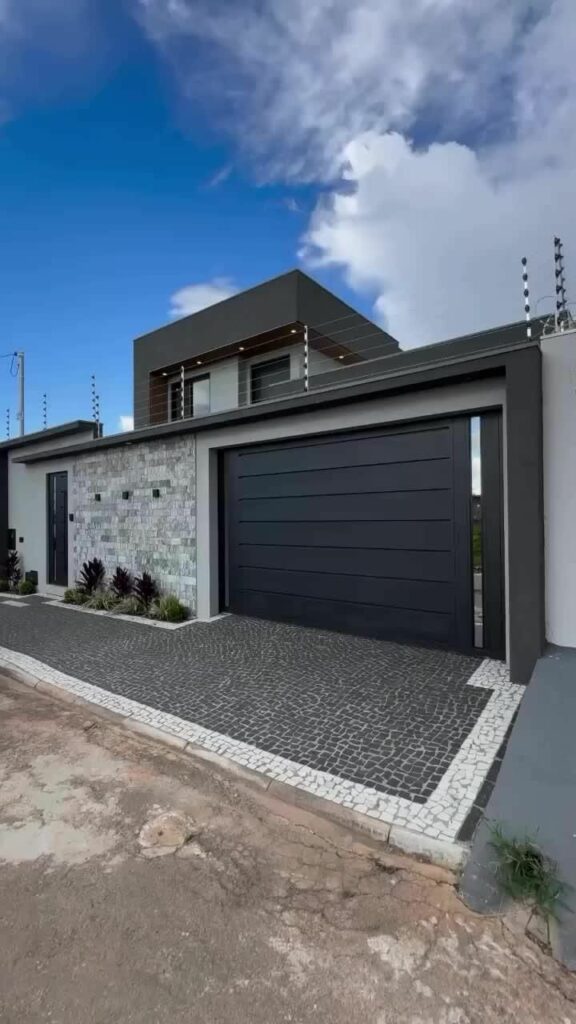
Then comes the daily experience of the home itself. A renter occupies someone else’s space, which is exactly what a rental is. Landlords routinely insert restrictive clauses into leases, banning everything from painting walls a vibrant color to securely mounting a television or upgrading kitchen fixtures. The owner enjoys absolute creative freedom. Taking out a non-structural wall to open up the kitchen is the owner’s decision alone, as are custom hardwood flooring, smart home automation, and luxury bathroom tiling. Beyond appearances, ownership fosters a genuine sense of belonging. A permanent place in a community makes deep, lasting bonds with neighbors possible, rather than repacking boxes every couple of years at a landlord’s whim.
The surroundings matter as much as the interior. Standalone rental houses often leave residents facing security worries and heavy, ongoing maintenance duties. Modern apartment complexes, especially those built by reputable developers, turn that picture around. Gated communities with round-the-clock surveillance, professional property management, and controlled access points give families an added layer of safety. Residents also get easy access to amenities that would cost a fortune to maintain alone: fully equipped fitness centers, landscaped parks, swimming pools, and community clubhouses. Shared facilities of this kind Improve daily life considerably while keeping personal upkeep costs surprisingly low. Security systems, gyms, and green spaces come as part of the package, and professional managers take care of maintenance so residents skip most of the headaches.
Weighed together, the evidence leads to a single conclusion. Over the long term, ownership builds equity, protects a household from rising rents, grants complete creative freedom, and supplies a tangible asset that gains value. Renting means recurring expenses with zero financial return. A homeowner swaps a lifetime of payments toward someone else’s mortgage for a secure, appreciating asset that belongs to the household.
So the real distinction between the two paths is what each monthly payment leaves behind and who ends up holding it. A household that answers that question honestly has already done most of the work of choosing between renting and owning.
If this breakdown helped you weigh your options, subscribe to the channel so you don’t miss what comes next. Hit the like button on the video if you found it useful, and turn on the notification bell so the latest news and analysis lands in your feed the moment it is published.