
A real estate consultant with ten years in acquisitions and market analysis has a message for anyone still chasing the single-family home behind a white picket fence.
In his view, that symbol of American success no longer matches what the numbers show. Years of watching how buyers decide, and where their money works hardest, have led him to a direct conclusion: purchasing an apartment could rank among the most profitable financial decisions available to a person this decade.
He argues that structural shifts in recent years have changed the landscape. Condominiums and high-rise residences, he says, now stand among the top assets for affordability, convenience, and long-term equity growth. Three forces drive this, in his telling: housing economics, urban planning, and changing lifestyle preferences. A low price, a central address, and steady appreciation rarely show up together, yet apartments now deliver all three to a growing group of buyers. He no longer sees an apartment as simply shelter. He describes it as a deliberate investment suited to modern financial health, especially as metropolitan areas across the United States become denser and housing demand follows.
Start with the cost of getting in, which he says sets the trajectory for every new owner. Detached houses often come with steep prices, large down payments, and heavy closing costs, and those hurdles shut out many motivated buyers. Apartments offer a more realistic door. Because their square footage is optimized and land costs are divided among multiple units, they usually sell for less than standalone homes. First-time buyers, millennials, and Gen Z professionals benefit most, he says, since they can start building equity without a crushing burden. A lower purchase price also brings lower property taxes. In his assessment, homeowner association (HOA) fees are easier to manage than the cost of maintaining an entire standalone property.
Then comes location, which he calls the undisputed king of real estate valuation. Suburban detached homes frequently sit hours away from commercial hubs, leaving residents with exhausting daily commutes. Apartment complexes occupy the opposite ground: thriving urban centers and transit-oriented corridors. Residents are steps from transit hubs, corporate centers, gourmet dining, retail malls, and elite medical facilities, and a shorter commute hands hours back to their week. The advantage goes beyond daily quality of life. Land near city centers is finite, so it keeps appreciating, and that supports the property’s long-term economic resilience.
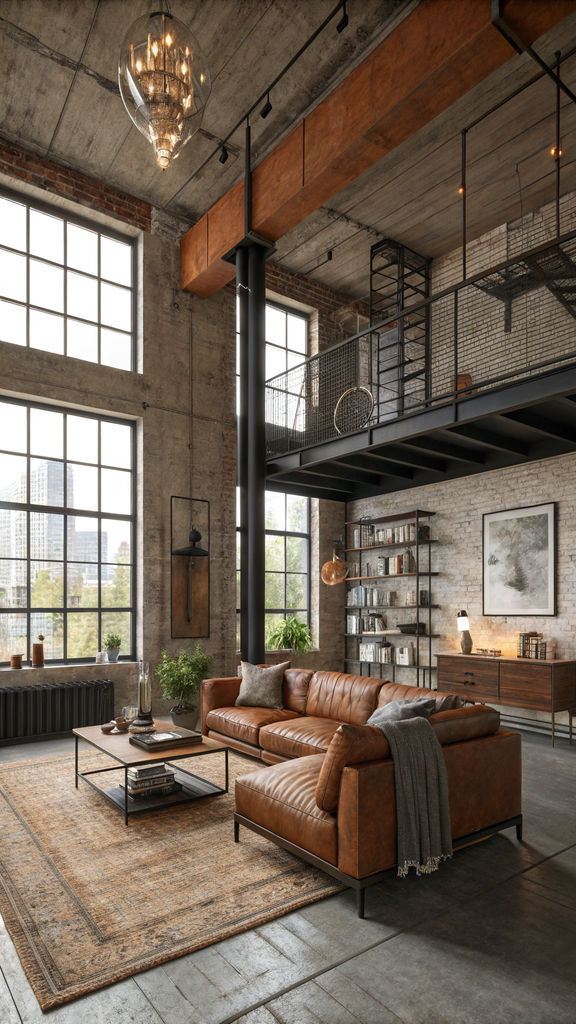
Appreciation, he says, anchors the whole investment case. Real estate has long served as a time-tested way to preserve wealth, and he contends that multi-family units outperform what their size would suggest. Metropolitan populations are climbing while developable land shrinks, which pushes up the underlying value of urban property. Apartments in high-demand metropolitan submarkets have historically posted exceptional capital appreciation. They also attract a very large pool of buyers, from young singles to downsizers, which keeps them highly liquid. When market conditions favor sellers, a well-maintained apartment can produce significant returns on investment (ROI). He calls it a cornerstone asset in any serious wealth-building portfolio.
Buyers who look past a primary residence get another draw, in his view: passive income. Rental demand in urban centers remains persistently high, fueled by young professionals and transient workers who value flexibility over long-term residential roots. An apartment purchased to rent can generate steady, reliable monthly cash flow, and with professional property management services it becomes a completely hands-off investment vehicle. Rental rates have historically adjusted upward alongside inflation, so the income protects purchasing power while the property keeps appreciating.
His thinking on amenities centers on shared resources. A luxury lifestyle once demanded an expensive estate with a private pool and a large gym. Modern apartment complexes spread that luxury across all residents through shared, master-planned amenities: state-of-the-art fitness centers, sparkling swimming pools, rooftop lounges, co-working spaces, and landscaped courtyards. A single homeowner trying to maintain facilities like these would spend tens of thousands of dollars a year. Apartment residents split the bill, so daily comfort goes up without a matching jump in personal overhead.
Safety and community are two further pillars of residential satisfaction, he says. Modern apartment developments rely on sophisticated, enterprise-grade security that far exceeds what the average standalone house can provide. Gated entries, 24/7 concierge services, biometric access controls, and comprehensive CCTV surveillance all add to residents’ peace of mind. Community also takes shape naturally, because shared vertical spaces and courtyards encourage casual contact among neighbors. For a newcomer to a bustling metropolis, he says, that built-in social fabric protects against urban isolation and supplies a ready-made support network.
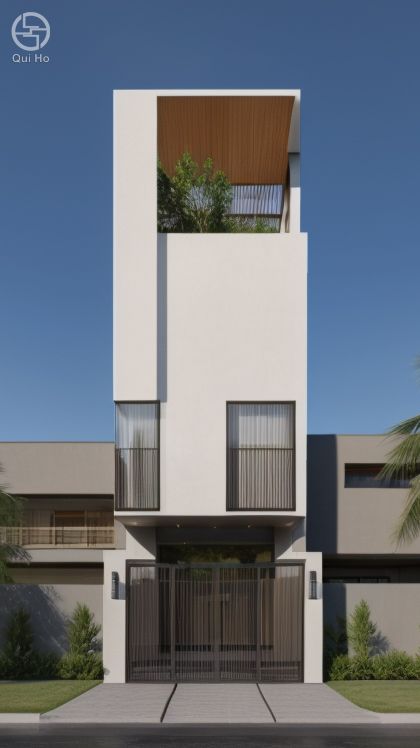
Time, he says, is the one asset nobody can replace. A traditional house can swallow entire weekends with roof repairs, gutter cleaning, lawn mowing, and HVAC servicing. An apartment moves a household toward low-maintenance living. Most managed apartment communities and condominium associations employ dedicated maintenance teams who handle exterior upkeep, landscaping, structural repairs, and the care of shared amenities. Busy corporate executives, remote professionals, and retirees win back countless hours, which they can direct toward career advancement, family, or travel rather than weekend handyman work.
His final argument concerns the environment, which he says is no longer optional for modern consumers. Urban sprawl leaves a massive carbon footprint, whereas high-density vertical housing is inherently more energy-efficient. Modern apartment complexes add cutting-edge sustainability features, including energy-efficient appliances, smart thermostats, solar-assisted common area lighting, high-performance insulation, and smart water management systems. A resident who picks an apartment dramatically shrinks his or her personal carbon footprint and brings the home in line with global green building standards.
Pulling it together, he says that navigating today’s dynamic real estate market takes financial foresight, lifestyle awareness, and strategic asset allocation. In his judgment, an apartment meets all three at once, through affordability, prime location, low maintenance, security, and exceptional long-term investment potential. A buyer might want a vibrant urban sanctuary to live in, or a high-yield rental property to expand a portfolio. Either way, the apartment combines comfort, security, and financial growth.
His case rests on five advantages: a lower entry price, a central location, less upkeep, strong security, and steady appreciation. Each holds whether the goal is a home to live in or an asset to rent out. What remains open is which of the five matters most to a given buyer’s own financial plans.
If this report gave you something to think about, subscribe to the channel so the next one reaches you right away. Hit the like button to help other viewers find the video, and turn on the notification bell so you catch the latest news the moment it drops.