
For generations, the standalone house on a quarter-acre block was the default dream of Australian households.
Now a growing share of buyers in the country’s large metropolitan markets are skipping that dream and signing for apartments instead. The figures make the choice look odd at first glance. Across the major capital cities, apartment values have risen about 11 percent over recent market cycles, on a steadier growth curve. Detached houses, over the same stretch, have gained more than 33 percent. For a buyer, that gap can be worth hundreds of thousands of dollars.
One consistent explanation comes out of a decade of work in property development, asset acquisition, and urban market analysis. Modern apartments pair a lower financial entry point with low-maintenance living and solid potential for capital growth.
The forces behind the shift have been gathering for years. Housing affordability in metropolitan areas has reached historic extremes, and Melbourne, Sydney, and Brisbane are transforming quickly. First-time buyers, downsizers, and investors building portfolios are more and more likely to pass over house-and-land packages. The yield and lifestyle advantages of apartments pull them in a different direction.
Price comes first, since the cost of entry often decides whether a purchase happens at all. An apartment calls for a far smaller deposit and clears lower mortgage serviceability thresholds, which can put ownership within reach years sooner. The savings continue after settlement. Property taxes, council rates, and building insurance premiums are inherently lower for an apartment than for a large suburban parcel of land. Investors benefit too. A lower purchase price, paired with strong rental demand in urban areas, tends to deliver higher gross rental yields and Improves cash flow from day one. A buyer who chooses a high-density residential asset over an expensive house-and-land package keeps more cash on hand, carries less debt, and begins with a lower financial risk profile.
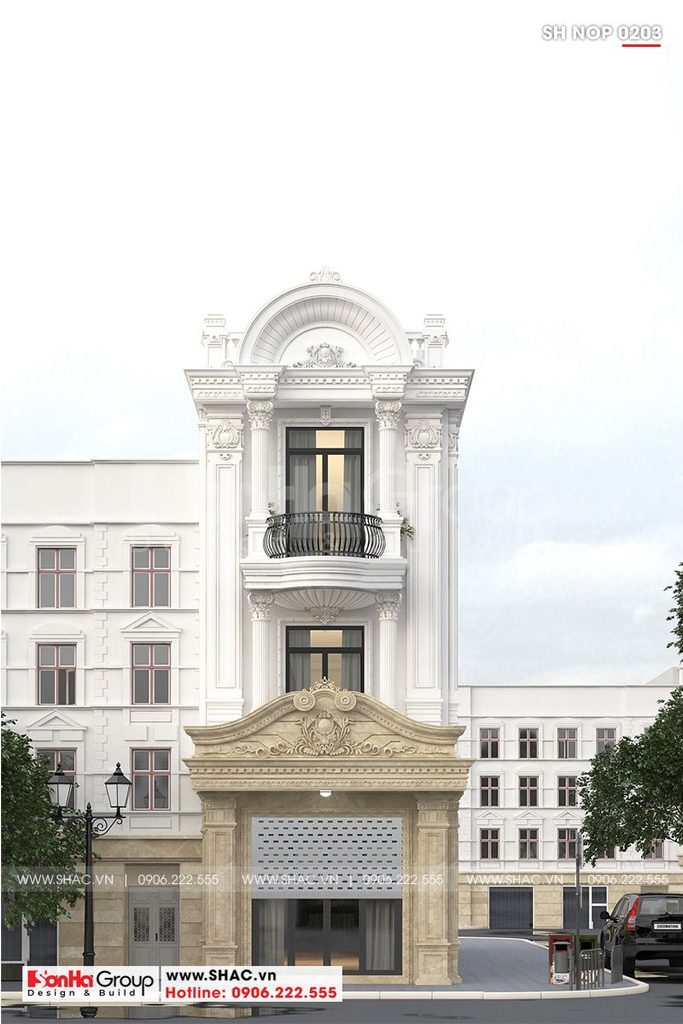
Location is the second factor. Real estate has long run on the principle that position outweighs everything else, and by that yardstick, vertical communities clearly outperform land releases on the suburban fringe. Standalone houses keep getting pushed outward into outer-ring growth corridors, and the consequences are draining daily commutes, heavy reliance on cars, and distance from major employment centers. Contemporary apartment precincts follow the opposite logic. They are planned around transit-oriented development, known as TOD, which lets residents walk to central train stations, tram lines, and bus interchanges and sharply reduces weekly travel time. Corporate headquarters, universities, medical precincts, fine dining, and cultural hotspots sit only minutes from the front door. Living centrally also removes the need for multiple cars and trims spending on fuel and vehicle maintenance over time. For busy professionals and active city dwellers, the hours reclaimed from commuting translate directly into a better quality of life.
The belief that an apartment means surrendering space and lifestyle is now outdated. Modern architecture and master-planned precinct development have turned apartment living into something close to a resort experience, one that individual houses cannot match at a reasonable cost. Today’s premium residential towers offer shared and private amenities on par with five-star hotels. For health and wellness, these include commercial-grade gymnasiums, heated indoor and outdoor swimming pools, saunas, yoga studios, and dedicated Pilates rooms. For entertaining, they supply private dining rooms, wine cellars, golf simulators, private cinemas, and spacious resident lounges for hosting guests. Green space is built in as well, through carefully landscaped podium gardens, rooftop terraces, and lively retail laneways lined with artisan cafes, restaurants, and boutique shops. A house owner who wants a backyard, a pool, and a garden has to maintain each one personally on weekends or pay steep installation costs. Apartment residents step into ready-made premium facilities that are maintained collectively.
Maintenance is where the two housing types part ways most sharply. Swapping a house for an apartment ends the weekend chores and the grueling home maintenance projects. In a standalone house, a broken gutter, a failing hot water system, a cracked roof tile, or an overgrown lawn lands on the owner, in both labor and expense. In an apartment, professional building management and an active owners’ corporation shoulder that burden. Routine exterior maintenance, window cleaning, landscaping of common areas, and structural repairs all take place behind the scenes. Scheduled inspections keep the building sound and attractive year-round, which protects the value of the asset.
Major capital works are covered by a sinking fund, also called a capital works fund. A house owner can be hit with a sudden and punishing repair bill. An apartment owner, by contrast, contributes modest, predictable amounts to a shared budget over time. Pooling money this way makes budgeting more reliable and protects the investment professionally, without draining personal savings.
Safety matters to homeowners and investors alike, and apartments address it in layers. A standalone house on a large block can have weak points, particularly around the perimeter while the occupants are traveling or at work. Apartment complexes rely on a multi-layered security framework instead. Electronic fobs or smartphone-enabled access points limit entry to residents and verified guests. CCTV monitoring covers all common areas, underground parking garages, and entry points. Many premium developments also employ dedicated onsite building managers or 24/7 concierge services, who screen visitors, handle deliveries, and watch over the premises. This lock-and-leave convenience makes apartments an ideal choice for frequent travelers, busy executives, and buyers who put security first.
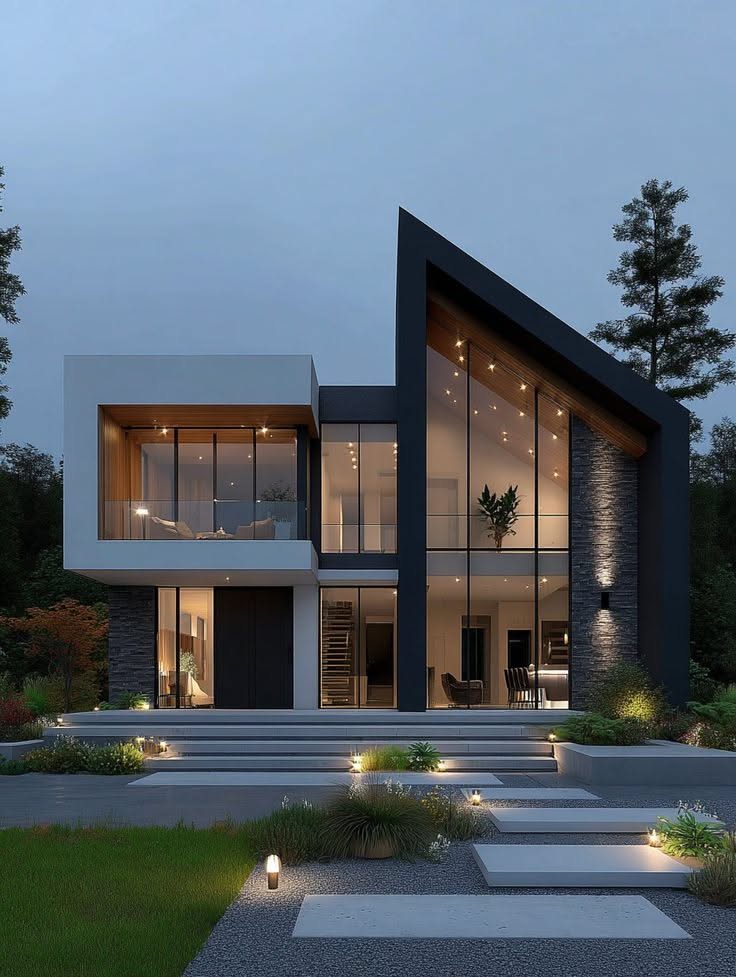
The social dimension deserves attention too. Human connection is central to well-being, yet modern suburban design often encourages isolation, with residents retreating behind high fences and long driveways. High-density precincts push the other way and foster a lively, interconnected micro-community. Shared lobbies, communal rooftop terraces, courtyard cafes, and organized social events naturally bring people together. A casual morning conversation over coffee, a weekend fitness class, or a community holiday celebration each help build a genuine sense of belonging. The mix of residents adds to it. Young professionals, downsizers, international expats, and families live side by side, creating a rich and inclusive cultural fabric that widens perspectives and enriches daily life.
Taken together, these points explain why an apartment can be a stronger strategic choice than a house or a land package. Financial efficiency, uncompromised convenience, low-maintenance living, and long-term capital growth all work in its favor. As cities grow denser and preferences move toward connected, amenity-rich surroundings, well-located apartments stand out as the leading opportunity in modern real estate.
The case still rests on a trade-off that the figures lay bare: steadier growth of roughly 11 percent for apartments, against gains of more than 33 percent for detached houses. Which path fits a given budget and lifestyle is a decision each buyer has to make individually.
In the end, the question comes down to what a buyer values most: the larger price gains of a house, or the lower cost, central location, and easier upkeep of an apartment. That is the choice many Australians are now weighing, and more of them are landing on the apartment side.
If this report gave you something useful, tap the subscribe button so the next one finds its way to you. A like on the video helps other viewers discover it, and switching on the notification bell means the latest news reaches you as soon as it goes live.