
After advising hundreds of buyers over ten years, a real estate developer and financial advisor has settled on a position: for a growing number of people, an apartment is the stronger wealth-building vehicle, not the consolation prize it was once considered to be when a single-family house was out of reach.
The advisor lists the benefits as a lower cost of entry, a prime location, reduced upkeep, stronger security, steady appreciation, shared amenities, rental income potential, and greener construction.
He frames them against a housing market that bears little resemblance to the one earlier generations faced. Cities keep expanding. Net-zero building targets are gaining traction. Mortgage rates have not settled into a stable range. Many of his clients arrived undecided between a spacious suburban home and a sleek, modern apartment, and watching how those choices played out over the years is what shaped his view.
In his assessment, two things decide whether a buyer succeeds today: a lifestyle that suits the property and close attention to personal finances. The purchase could be a first home, a high-yield income asset for an investment portfolio, or a smaller residence for a quieter stage of life. In every case, he contends, an apartment delivers strategic advantages that other property types struggle to match.
Price comes first, because it is the barrier that stops most would-be owners from buying at all. Single-family houses in metropolitan areas have climbed steeply in value, and buyers often confront prohibitive down payments and heavy debt service. An apartment is a much more reachable starting point. The living space is smaller and the cost of the land is divided among many units, so the purchase price falls well below that of a freestanding house. A lower price does not mean lower quality. First-time buyers and young professionals can share in rising property values without straining their debt-to-income ratio. The smaller price tag also means reduced mortgage insurance requirements and more manageable monthly maintenance fees, which frees money for other wealth-building routes such as equities or retirement funds.
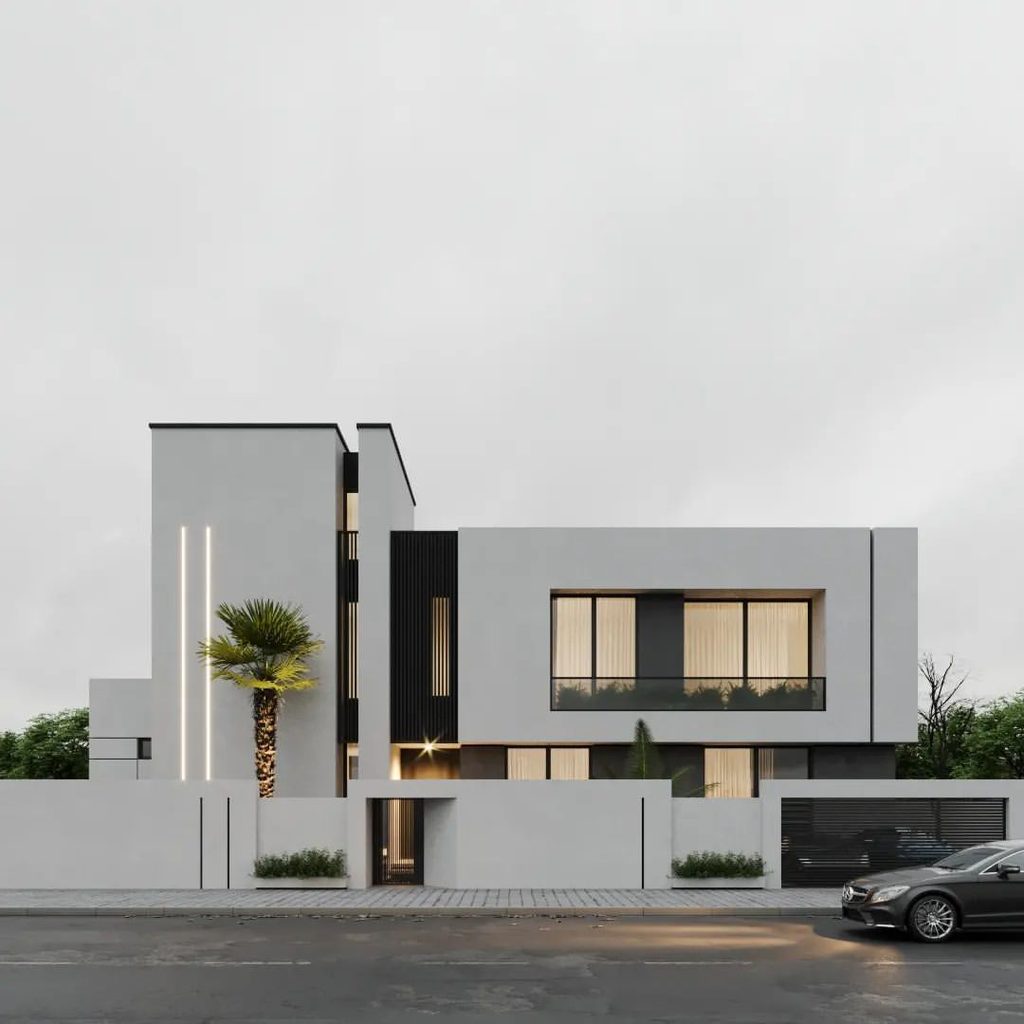
Location is the second pillar. Vertical living honors the real estate maxim “location, location, location” better than almost any other form of housing. Apartments typically rise in dense urban cores, near financial districts, cultural hubs, and major transportation arteries. Owners can be minutes from the office, gourmet dining, elite educational institutions, and state-of-the-art healthcare facilities. That proximity sharply shortens the daily commute and returns hours each week that traffic would otherwise absorb. It carries a financial dimension as well. Properties in prime urban centers have historically held up exceptionally well during economic downturns, which makes them safer havens for capital.
Over the long term, the numbers favor apartments too. Real estate has a long record as a hedge against inflation, and apartments follow that pattern. As land in urban hubs becomes scarcer, well-constructed vertical real estate tends to gain value. A buyer who picks a developing neighborhood or an established commercial district puts the asset in position to benefit from municipal infrastructure upgrades, new transit lines, and commercial expansion. Apartments in high-demand metropolitan areas have appreciated at a steady pace over time. Owners build up substantial home equity, which they can later leverage for additional investments or business ventures.
Investors who never plan to live in the unit have another option: passive income. Rental demand in cities stays persistently high. Much of it comes from young professionals, digital nomads, and transient corporate workers, who generally prize flexibility over long-term mortgages. An apartment in a desirable location can work as a high-yield long-term rental or as a managed short-term corporate stay. By partnering with professional property management firms, an investor can collect steady monthly cash flow with minimal operational friction. Real estate then becomes a dependable, self-sustaining financial engine.
Time is the one resource nobody can expand, and apartment living guards the hours people already have. House owners routinely give up weekends to mowing lawns, fixing leaking roofs, and repainting exteriors. Apartment living removes much of that routine upkeep. Modern complexes operate under comprehensive homeowners associations, known as HOAs, or under professional property management teams. Exterior maintenance, landscaping, hallway cleaning, and structural repairs all happen out of sight. Busy executives, frequent travelers, and retirees especially value the peace of mind, since their energy can go toward careers, families, and personal passions instead of property chores.
Safety sits near the top of every household’s priorities, and multi-family complexes outperform standalone houses on that front. Modern apartment buildings protect residents in layers, typically with 24/7 CCTV surveillance, biometric access control, gated subterranean parking, and on-site security personnel. The benefits reach beyond locks and cameras. Shared amenities such as rooftop gardens, co-working lounges, fitness centers, and swimming pools give neighbors natural places to meet. That built-in social fabric helps newcomers to a city, remote workers who want contact with others, and people living alone who prefer a secure, active neighborhood.

Those same shared amenities count as an advantage in their own right. A single-family homeowner who wants a private swimming pool, a fully equipped gym, a cinema room, or a landscaped courtyard must commit large amounts of capital and then keep paying to maintain it all. In an apartment complex, that luxury is split among many residents. Upscale developments now build resort-style amenities into the package, including round-the-clock access to fitness studios, wellness spas, concierge services, and social lounges. Daily life Improves noticeably, and owners get a taste of luxury without carrying the full maintenance burden alone.
Sustainability rounds out the case. Architecture is moving quickly toward green building standards, and contemporary apartment complexes lead that shift. Dense vertical housing produces a smaller carbon footprint per capita than sprawling suburban neighborhoods. Forward-thinking developers install energy-efficient smart appliances, LED lighting systems, solar-paneled common areas, rainwater harvesting, and EV charging stations. A buyer who chooses an apartment built with sustainable materials and smart energy grids takes an active part in environmental conservation while also cutting monthly utility spending.
For anyone ready to explore prime apartment listings, analyze current market valuations, or map out a personalized investment strategy built around their financial objectives, the expert advisory team is available. A private consultation can be scheduled by contacting the team today.
Making sense of this housing market starts with clarity about both financial goals and lifestyle preferences. An apartment, the advisor says, offers a balanced, pragmatic, and highly lucrative answer that ties together comfort, security, and long-term asset growth. A first-time buyer stepping onto the property ladder and an investor expanding a portfolio with high-yield income assets end up at the same destination: the versatility and resilience that a rapidly changing world demands.
So the central question is what you need a property to do for you. Whether an apartment suits your own situation is a decision worth weighing carefully against your goals, and the answer will differ for every buyer.
If this breakdown helped you think through your next step, hit that subscribe button so the next video finds its way to you. Give it a like if you found it useful, and turn on the notification bell so the latest updates reach you the moment they go live.