
For ten years, one real estate strategist has advised people on buying homes, and across hundreds of consultations the choice in front of his clients has barely changed.
They can have a classic American suburban house or a modern city apartment. Given where the U.S. economy is heading, he steers nearly every one of them toward the apartment. In his judgment, it is frequently the smartest and most adaptable financial move a buyer can make today.
He begins with what ownership feels like once the closing papers are signed. A detached house, he says, runs like a relentless part-time job. Gutters must be cleared, roofs patched, and HVAC units serviced, and big lawns need regular mowing. Those tasks can swallow entire weekends, and a single bad surprise can add thousands of dollars in unplanned capital expenditures.
An apartment building hands that burden to professionals. A Homeowners Association (HOA) or a property management team arranges roof replacements, exterior painting, structural repairs, and landscaping, and the residents fund the work together through monthly dues. He concedes that HOA fees are a genuine expense. Still, they let an owner schedule upkeep costs ahead of time, instead of absorbing a sudden five-figure plumbing or roof emergency. Entrepreneurs, remote executives, and people who travel often benefit most from this “lock-and-leave” lifestyle, which he says delivers the greatest peace of mind. In his phrasing, the home works for the owner, and the owner does not work for the home.
Where the home sits matters just as much, he argues, because location is the single most critical factor in long-term property appreciation. Single-family houses in prime downtown districts or trendy urban cores are rare and priced beyond most buyers. Apartments and condominiums are purposely built in the places where daily life happens, so owners live at the center of the city’s activity. Corporate hubs, tech incubators, and financial districts can be reached on foot, which spares owners the hours a highway commute would eat up. Rapid transit, metro lines, and bike-sharing networks operate nearby, along with world-class dining and entertainment. That convenience hands free time back to the owner and Improves everyday happiness. It also forms what he calls an unshakeable economic moat around the unit’s resale value. Urban land is finite, and convenience is a commodity that never loses its worth.
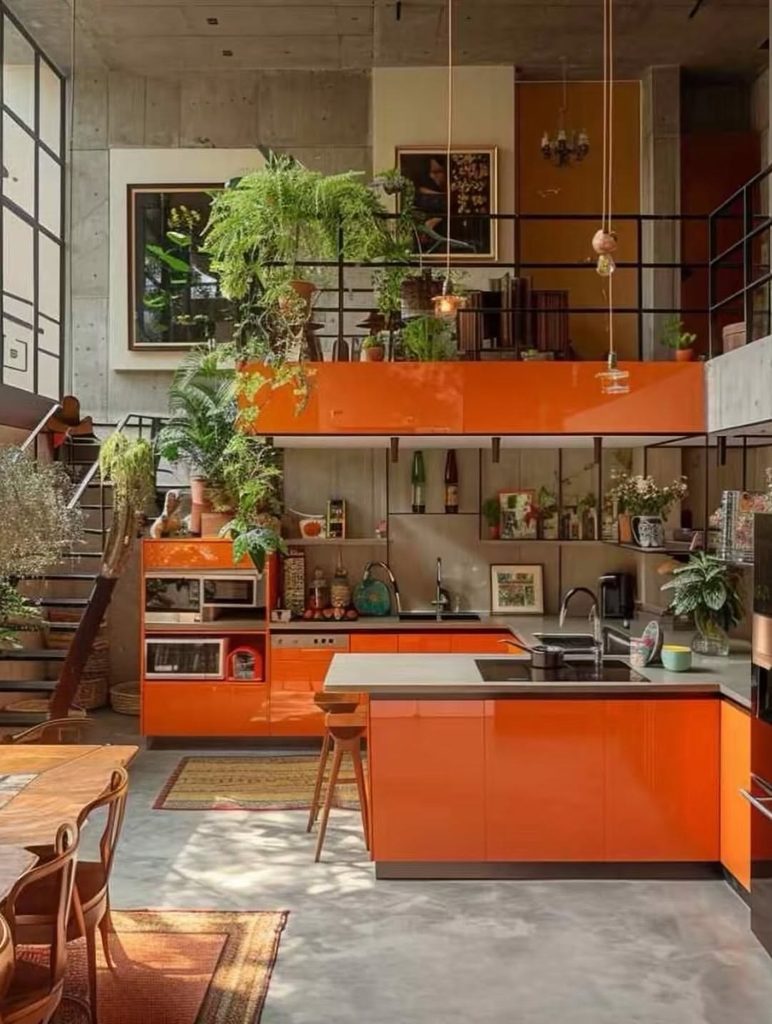
Shared amenities add a financial advantage on top of the address. Developing a private residential lot with an Olympic-sized swimming pool, a fully equipped commercial-grade gym, a sauna, and a rooftop terrace would cost hundreds of thousands of dollars. In an apartment building, every resident splits the expense of those luxury features. The result is a five-star lifestyle upgrade for a fraction of the price, combining affordability with uncompromised comfort. Rooftop lounges, fitness centers, co-working spaces, and courtyards also give neighbors organic chances to network and build relationships. For someone who has just arrived in a city, that ready-made community works as an invaluable social anchor.
Security favors the condo as well, he says, at least for modern urban dwellers. Standalone houses frequently require costly security systems installed piece by piece, and they depend on the owner staying constantly alert. Modern apartment buildings and gated communities take the opposite approach: they are engineered from the ground up with multi-layered security infrastructure. Key fob entry systems, secure underground parking garages, and 24/7 video surveillance are standard. Front-desk concierges and dedicated security staff screen visitors and receive package deliveries safely.
The environmental case, in his words, points the same direction. Modern real estate development stresses efficiency, and today’s apartment complexes bring in green building certifications, solar panels, high-performance double-pane windows, smart thermostats, and centralized waste recycling programs. Apartment residents share structural walls and efficient utility grids, so they naturally leave a smaller carbon footprint than people who heat and cool sprawling standalone houses. Sustainable living is no longer only a moral choice, since energy-efficient buildings also cut monthly utility bills directly.
Then comes the question of who can get in the door at all. In major metropolitan hubs, detached single-family houses have moved out of reach for a large share of the population, while apartments open ownership to far more people. Take a first-time buyer looking at a suburban listing priced at one million dollars. The traditional route requires a 20% down payment, and for many households, saving that sum could take a full ten years. Condos have a lower price per square foot and a lower total price, so the down payment and the closing costs both land below what a detached house demands. The mortgage principal is smaller too, which brings lower monthly payments and better protection for the buyer’s debt-to-income (DTI) ratio. Home equity can begin building years sooner. He believes the amount of time money stays invested counts for more than any attempt to pick the perfect moment. Buying an apartment earlier lets capital compound ahead of one’s peers.
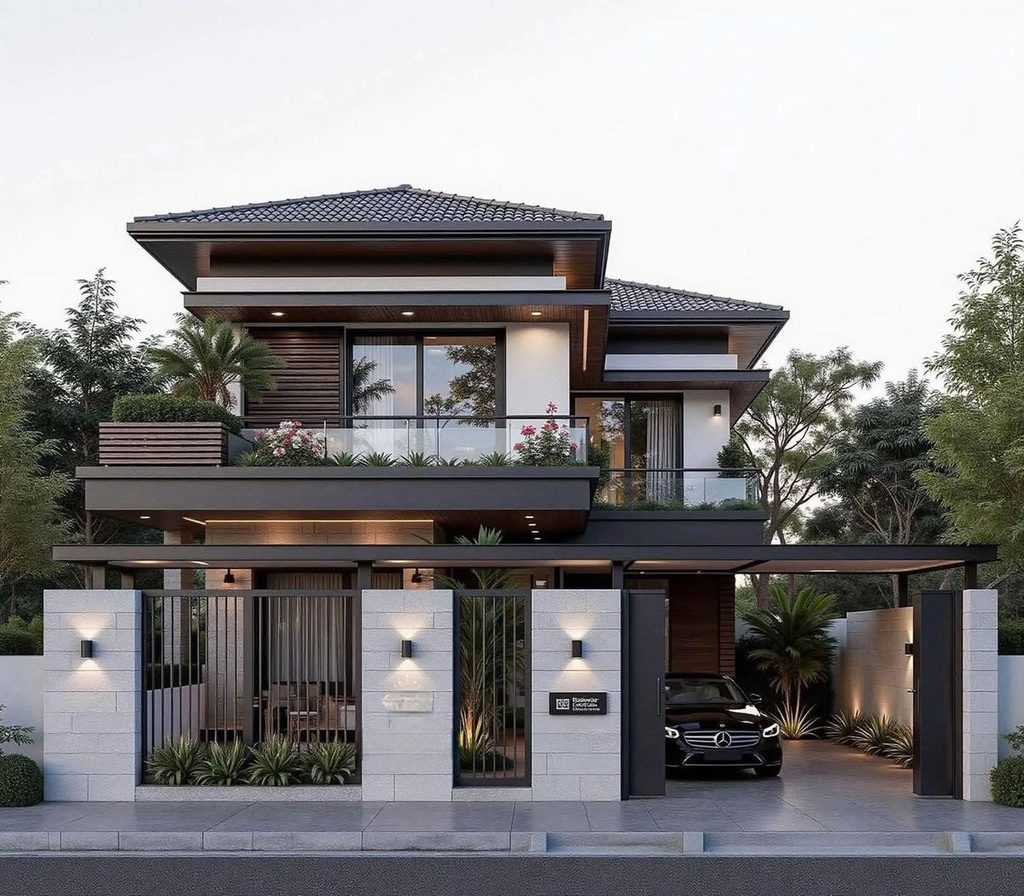
The investment argument, he says, is every bit as strong. Real estate has historically been one of the most dependable hedges against inflation. Well-managed apartments in thriving job markets display robust capital appreciation over horizons of five to ten years. Their audience is broad, running from Gen Z professionals and young couples to downsizing empty nesters, so the pool of future buyers never runs shallow. Such high liquidity means the property can draw competitive attention from the market when the owner is ready to leave or upsize. Urban infill policies also restrict the construction of new high-density housing, and that shields the investment from oversupply.
For anyone building a robust real estate investment portfolio, he calls apartments the holy grail of passive income generation. Professionals and young families increasingly choose to rent or buy low-maintenance urban space instead of commuting in from the distant suburbs, so rental demand stays high. Local property management firms can take over tenant screening, rent collection, and maintenance calls, which turns the unit into a truly hands-off income stream. Whether the owner picks a long-term traditional lease or corporate housing, the apartment works as a reliable cash-flow engine.
His overall message is that today’s dynamic property market calls for a strategic balance between lifestyle fulfillment and sound financial foresight. An apartment purchase, he says, supplies both: lower entry barriers, prime urban convenience, minimal maintenance, and strong long-term appreciation. For buyers who are ready to stop paying a landlord’s mortgage and start building their own equity, he invites them to reach out today and schedule a one-on-one portfolio consultation with his expert team. That team can explore hand-picked apartment opportunities tailored to each buyer’s financial goals.
A lower cost of entry, a central location, and shared services all arrive together in one apartment purchase, and each carries real financial weight over the long run. Whether the suburban house or the city unit is the better choice depends on which one fits your own plan for building equity. That is the question worth weighing before you sign anything.
If this breakdown gave you something to think about, hit the subscribe button so you can keep following the channel. A quick like helps more viewers find the video, and turning on the notification bell means the latest news reaches you the moment it goes live.