
Time, according to a real estate professional with ten years of experience guiding clients through residential purchases, is the most valuable asset anyone owns.
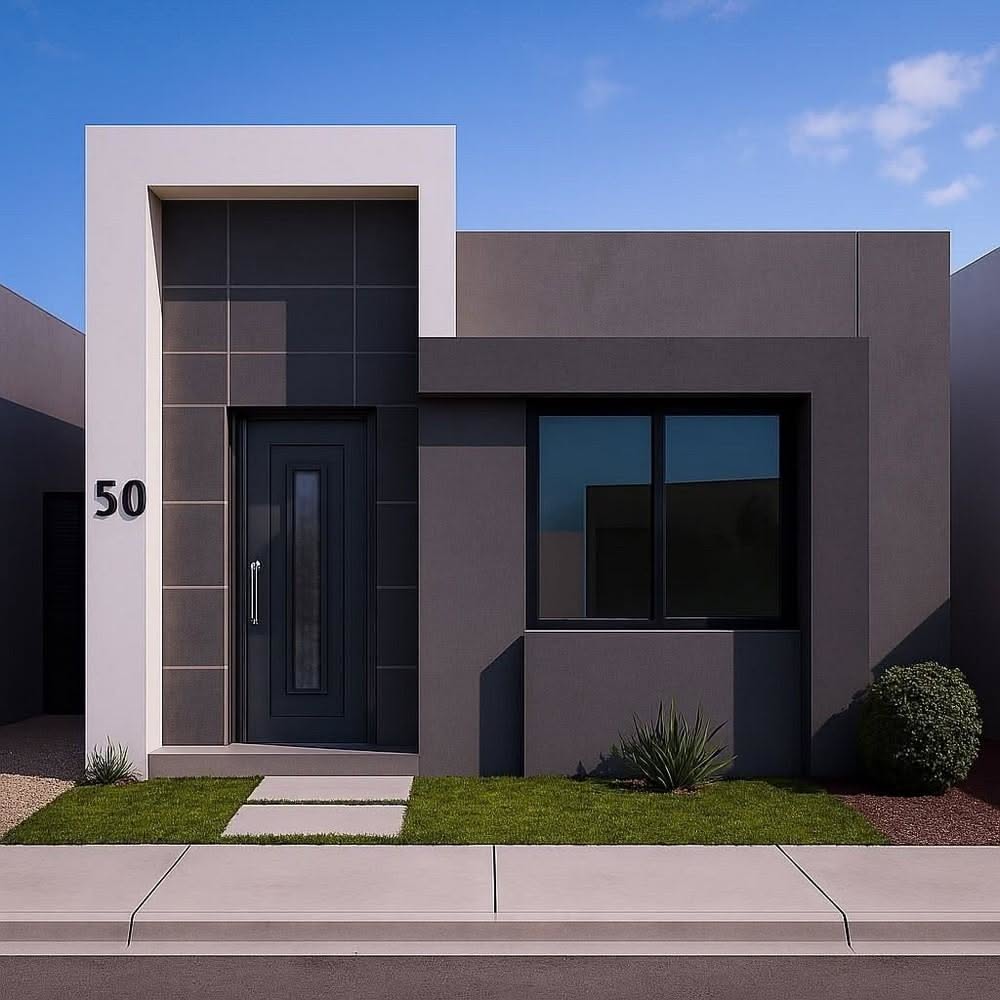
The third is location. The old rule holds that location governs everything in real estate, and developers deliberately place multi-family complexes in high-density urban corridors. Those corridors sit near major business districts, cultural hubs, public transit networks, and premium retail centers. What residents gain is time. Shorter commutes cut transportation costs and Improve the balance between work and personal life. Whether the day begins with a subway ride to the financial district or a short walk to a neighborhood café, daily conveniences wait just outside the front door.
The fourth is maintenance, the point where apartments and standalone houses diverge most sharply. A detached home produces a permanent list of weekend chores: roof repairs, lawn mowing, HVAC servicing, and exterior painting. An apartment works differently, because a homeowners association (HOA) or a building management team oversees the property. Exterior maintenance, landscaping, hallway cleaning, and structural upkeep are handled collectively. For busy corporate professionals, frequent travelers, and retirees, freedom from manual labor protects the asset he values most: time. Career, family, and hobbies can take priority over a Saturday spent fixing a leaky gutter.
The fifth is safety and peace of mind, which he calls non-negotiable in a modern home. Many newer apartment complexes build in advanced security protocols, including gated perimeters, 24/7 concierge services, keycard-access elevators, and comprehensive CCTV surveillance networks. Beyond physical protection, these buildings cultivate a distinct sense of community. Residents live alongside a diverse mix of neighbors and share communal amenities such as rooftop terraces, courtyards, and fitness centers, which naturally encourages social interaction. The network that forms creates a welcoming environment, especially for newcomers adjusting to a bustling metropolitan city.
The sixth is amenities, which reach well beyond socializing. Today’s buyers expect more from their living spaces, and modern complexes respond with lifestyle features that would be financially out of reach in a traditional home. State-of-the-art fitness centers, swimming pools, co-working lounges, and private screening rooms all lift the daily routine. Apartments also suit a range of life stages. A young professional can use one as an efficient, stylish sanctuary. A growing household can find a manageable layout. Seniors who are downsizing can settle into a secure, low-stress setting.
The seventh is income. Buyers focused on portfolio diversification and wealth generation can treat an apartment as a vehicle for passive income. Urban rental properties remain in perpetual high demand among young professionals and transient workers, who rank location above permanent ownership. An investment apartment in a high-demand rental market can deliver reliable monthly cash flow. Hiring a professional property management company makes the arrangement truly hands-off. The property generates revenue, and the tenant’s rent amortizes the owner’s mortgage.
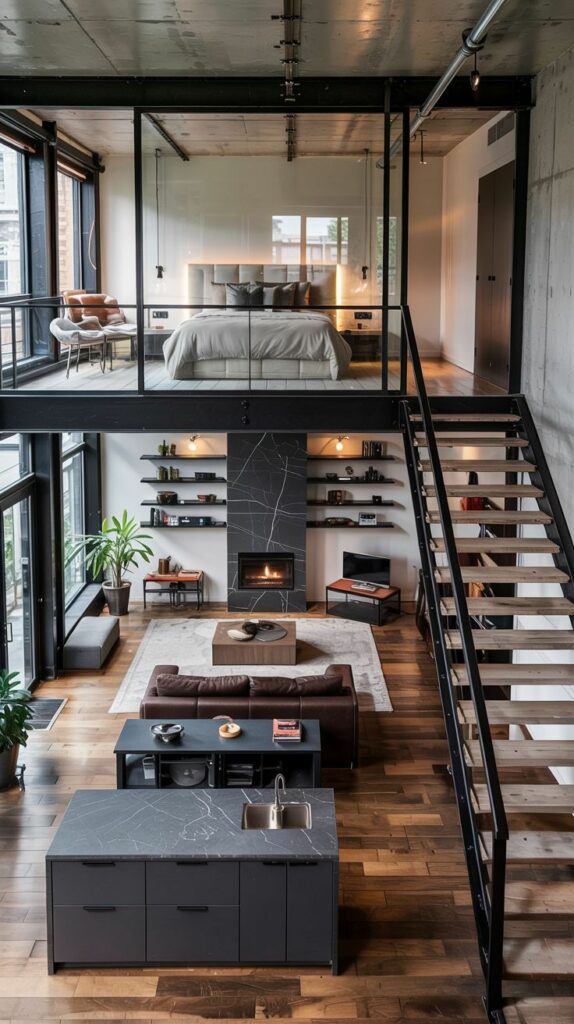
The eighth and final advantage is energy use. Environmental consciousness is reshaping real estate development, and modern high-rise and mid-rise apartment buildings are engineered for high energy efficiency. They rely on smart thermostats, LED lighting, solar integration, and high-performance insulation. A unit that shares structural walls with neighboring units also loses less heating and cooling energy than a standalone house. Buyers who choose an energy-efficient apartment actively shrink their household carbon footprint, and they pay significantly lower utility bills along the way.
Taken together, he says, the eight points describe a purchase that balances practicality, lifestyle preferences, and long-term financial foresight in a dynamic real estate landscape. Affordability, strategic location, low maintenance, and strong investment returns come bundled into a single decision. Whether a buyer is stepping onto the property ladder for the first time or expanding an existing portfolio, the apartment offers a secure foundation for the future.
The broker closes with one simple question: beyond providing shelter, what does a home need to do for its owner? His answer, built on those eight advantages, is that it can also protect time, build equity, and secure the future.
That is the question worth carrying into the next decision about where to live. A home that shelters you is one thing, and a home that also gives you back your hours and builds your future is another.
If this breakdown gave you something useful, hit the subscribe button so the next one lands right in your feed. A quick like helps more people find the video, and switching on the notification bell means the latest news reaches you the moment it breaks.”