
Hundreds of families have come through the office of one real estate adviser over the past ten-plus years, and nearly all of them were stuck on the same question: continue renting, or become homeowners?
The adviser says the decision mixes cold economics with a deeply personal craving for stability. After a decade that included market cycles, inflation spikes, and neighborhoods that changed character, the conclusion is consistent. Both the math and the psychology favor buying. A residential property, particularly in high-demand urban corridors, changes the long-term wealth trajectory of a household.
Most public debate stops at monthly cash flow, setting a rent check against a mortgage payment. Seasoned investors and financial advisors argue that this comparison overlooks the larger picture. In their view, the case for ownership rests on security, wealth accumulation, and peace of mind, and a lease delivers none of the three.
Equity comes first. Renting has one glaring flaw: every dollar handed to a landlord is spent permanently and earns nothing back. Buying converts that same monthly housing cost into a built-in savings plan, because a portion of each mortgage installment pays down the principal and steadily grows home equity. The apartment behaves like a piggy bank that also pays dividends. Over a typical span of 15 to 30 years, real estate has historically outpaced inflation, so the asset appreciates by itself. A renter walks away from a lease with nothing to show for the payments. A homeowner ends up holding a financial cushion that can fund retirement, education, or later investments.
Rent hikes are the second problem. Anyone who has rented longer than a couple of years knows the dread that comes with the annual renewal letter announcing a higher price. Rental inflation is persistent, pushed along by market demand and cost-of-living adjustments. A fixed-rate home loan answers that volatility with predictability. Principal and interest stay locked, so the payment holds steady year after year while the broader rental market keeps climbing. Once the loan term ends, the owner enters a stretch of rent-free living, and retirement income no longer has to cover housing costs.
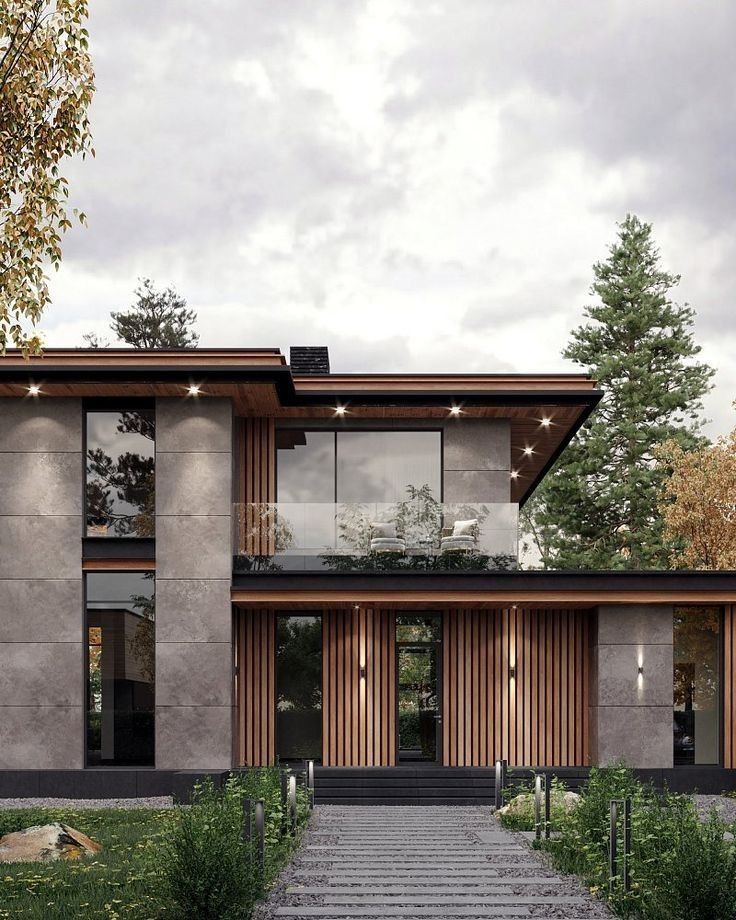
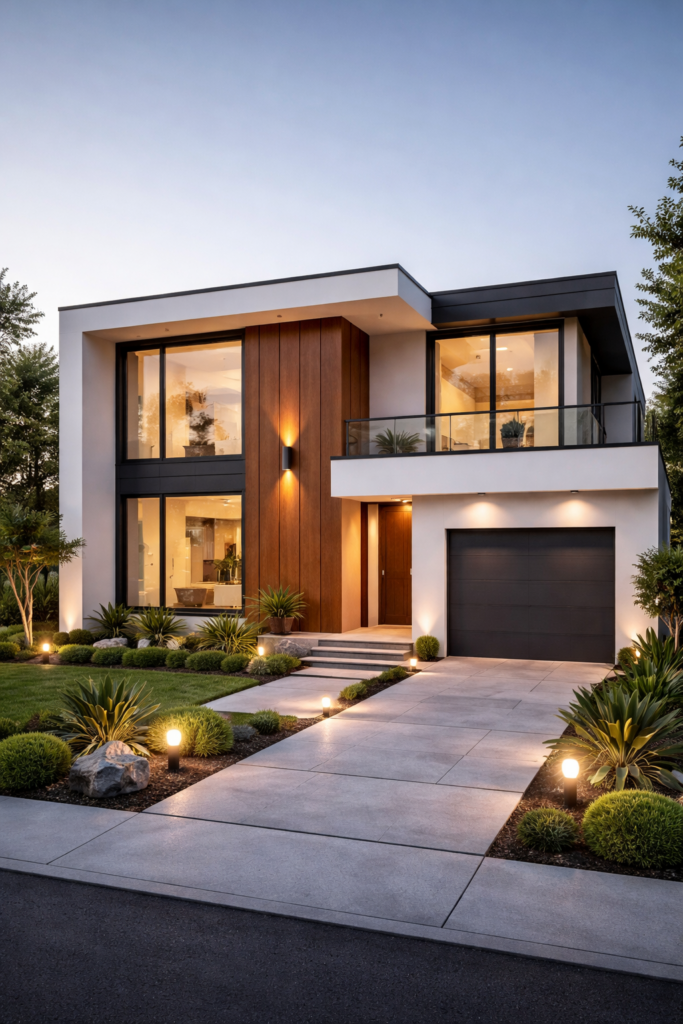
Finally, security and lifestyle. Standalone rental houses often leave residents exposed to security concerns and heavy ongoing maintenance duties. Modern apartment complexes, especially those from reputable builders, flip that picture. Gated communities with round-the-clock surveillance, professional property management, and controlled access points give families an extra layer of safety. Residents also enjoy easy access to amenities that would be costly to maintain alone: fully equipped fitness centers, landscaped parks, swimming pools, and community clubhouses. These shared facilities raise daily quality of life while keeping individual upkeep costs surprisingly low.
Three common questions capture the argument. Why is buying better than renting? Buying builds long-term equity, shields the owner from rising rents, offers complete creative freedom, and provides a tangible asset that appreciates, whereas renting produces recurring expenses with no financial return. What is the biggest financial advantage of homeownership? Forced savings and asset appreciation. Every mortgage payment adds ownership equity, so the owner accumulates net worth instead of funding a landlord’s investment portfolio. How do modern apartments Improve daily life? They provide high-end community amenities, including security systems, fitness centers, and green spaces, all professionally managed to minimize maintenance hassles for residents.
The adviser sums it up this way: going from tenant to homeowner is among the most empowering milestones a person can reach. Equity, predictable payments, tax benefits, passive income, credit growth, and inflation protection all point to one conclusion, that owning beats renting. For anyone ready to stop paying off someone else’s mortgage and begin building a secure, appreciating asset, the team behind this advice invites you to reach out today. They can present their premium collection of thoughtfully designed living spaces and help you take that first confident step toward homeownership.
So the case comes down to a single contrast. One path sends money to a landlord and leaves nothing behind, while the other turns the same monthly spending into equity, stability, and a lasting asset. Which path a household chooses shapes its finances for decades.
If this breakdown gave you something useful, tap that subscribe button so the next report finds you right away. A like on the video helps more people discover it, and switching on the notification bell means the latest stories land in your feed the moment they go live.”