
U.S. Real Estate Outlook: Why Home Prices Will Crawl Higher Amid 6% Mortgage Rates and Supply Shortages
For anyone watching the American residential market, the current landscape feels like a protracted game of musical chairs where the music never quite stops, but the chairs keep shrinking. Over my decade in the real estate analytics and advisory space, I have seen cycles driven by rapid rate cuts, pandemic migration shifts, and speculative booms. Yet, the current environment presents a uniquely stubborn stalemate. According to recent housing market polling, U.S. home prices will rise only modestly this year and into 2027. The market remains severely constrained by stubborn mortgage rates, a structural shortage of affordable housing, and broader economic headwinds that will take years to untangle.
If you are a prospective buyer, a real estate investor, or a homeowner weighing whether to list your property, understanding the mechanics behind this slow-growth era is essential for financial planning. Let us break down what is driving the U.S. housing market trends, why affordability remains locked in a crisis, and what industry data tells us about the path ahead.
The Macroeconomic Backdrop: Inflation, the Federal Reserve, and Geopolitical Pressures
The housing sector does not operate in a vacuum. It is deeply intertwined with macroeconomic policy, employment conditions, and global events. Early expectations at the start of the year pointed toward potential relief through Federal Reserve rate cuts, which policymakers hoped would stimulate borrowing and jump-start construction activity.
However, those projections have shifted dramatically. Persistent inflation readings—compounded by geopolitical tensions and conflicts in the Middle East—have pushed benchmark Treasury yields higher and spiked global energy costs. Because the Personal Consumption Expenditures (PCE) Price Index continues to hover well above the Federal Reserve’s target, central bank officials are increasingly likely to keep interest rates elevated for longer.
For the average consumer, this means borrowing costs will not drop quickly. Thirty-year fixed mortgage rates are expected to hover around 6.0% through 2028. Some prominent industry voices, including Lawrence Yun, chief economist at the National Association of Realtors, warn that if lingering geopolitical conflicts continue to stoke inflation, rates could occasionally spike higher toward 7.0%. Consequently, the anticipated economic boost from a revitalized housing sector simply will not materialize in the near term.
Home Price Projections and the Affordability Squeeze
Despite sluggish sales activity, home values are not collapsing; rather, they are expected to crawl upward at a subdued pace. Forecasts indicate home prices will increase by just 1.8% this year and roughly 2.5% in 2027. To put this in perspective, these gains sit comfortably below general inflation benchmarks, marking a stark cooling period compared to the post-pandemic frenzy.
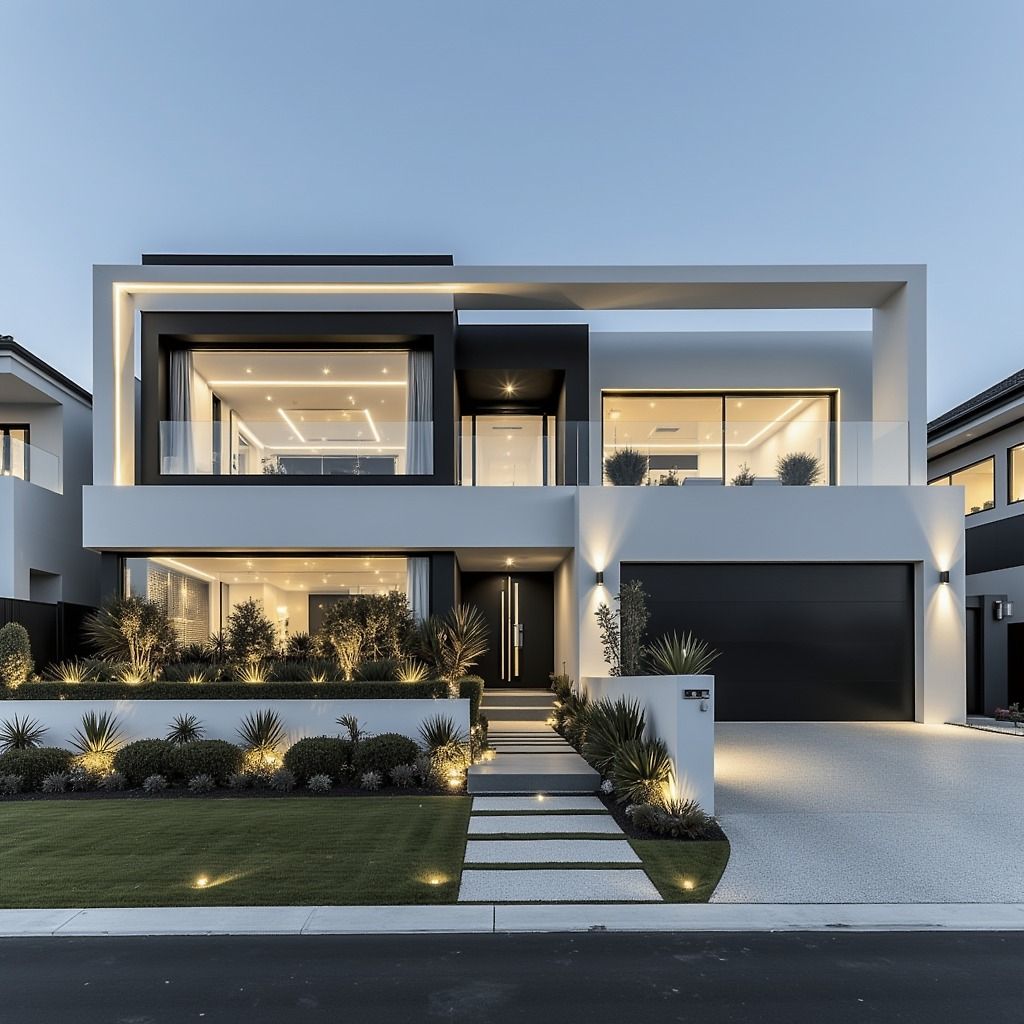
Data from the S&P CoreLogic Case-Shiller 20-City Composite Home Price Index reveals that average home prices have surged more than 50% since the COVID-19 pandemic began. However, prices rose by only 1.4% over the past year—representing the weakest annual performance in over a decade.
This deceleration is not a sign of recovering affordability. Instead, it reflects a severe demand-side contraction caused by a classic affordability squeeze. James Knightley, chief international economist at ING, captures the reality of the situation:
“The story’s one of the housing market basically not doing very much. A squeeze on affordability has meant demand has dropped away significantly and supply is constrained as well, and I don’t see the prospect of an imminent turnaround.”
The Golden Handcuff Effect: Why Inventory Remains Locked
One of the most powerful structural barriers in today’s market is what industry professionals call the “lock-in effect” or “golden handcuffs.”
During the pandemic era, millions of homeowners secured ultra-low mortgage rates—many locked in at under 3%, which is less than half of today’s roughly 6.2% average for a 30-year fixed loan. Selling a home today means giving up that historic financial advantage, forcing homeowners to trade a minimal monthly payment for a much higher interest rate on their next property. As a result, prospective sellers are staying put, drastically restricting existing home inventory.
Existing home sales, which historically account for about 90% of all real estate transactions, reflect this stagnation. Market analysts project that existing home sales will limp along at an annualized rate of around 4.1 million units through the early quarters, rising only marginally to 4.2 million later in the year. For comparison, this remains a far cry from the pandemic-era peak of 6.6 million annualized units seen in early 2021.
Adding to the consumer hesitation is a cooling job market. Crystal Sunbury, a real estate senior analyst at RSM, notes that consumers are facing fewer available job openings alongside a cautious macroeconomic sentiment. When combined with stubborn inflation, everyday buyers face an increasingly hostile environment for making major financial commitments.
The 2.5 Million Home Shortage: Construction Headwinds
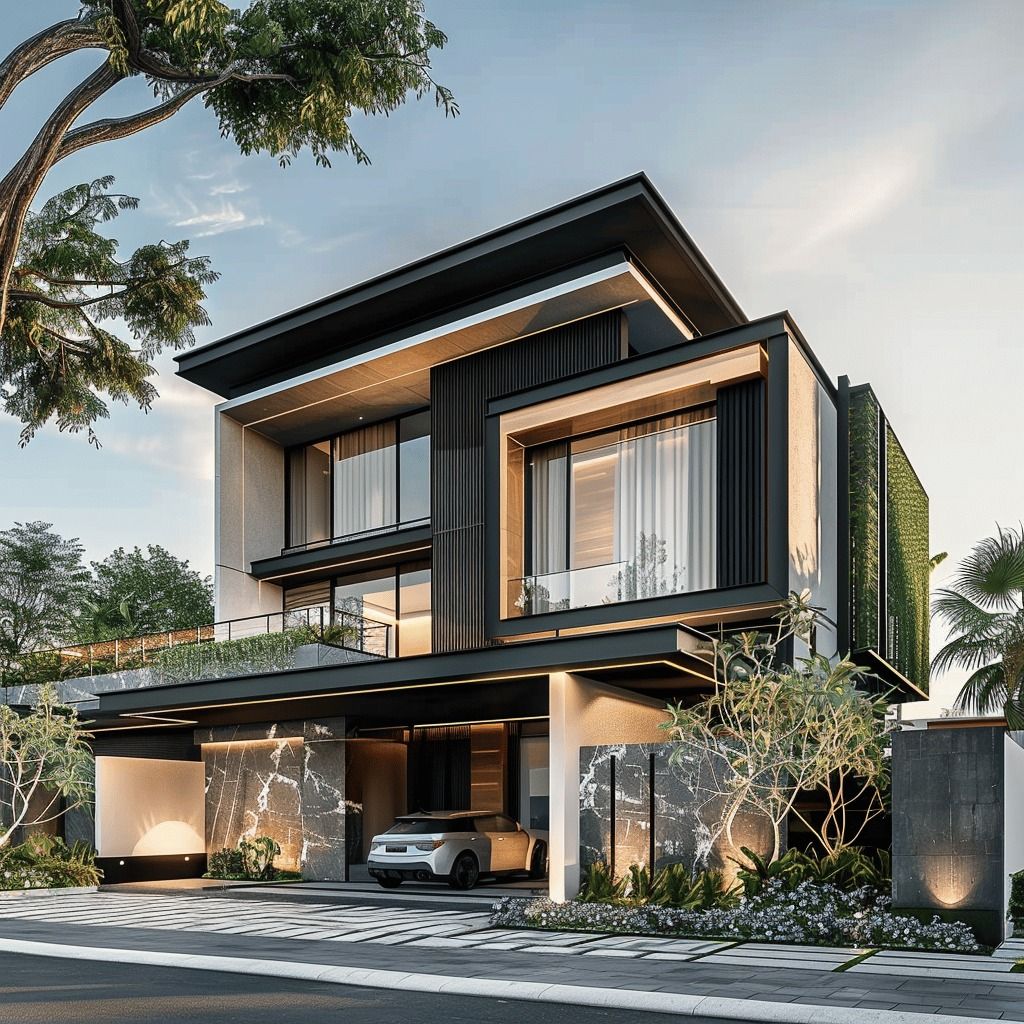
While demand is restrained by high borrowing costs, supply is choked by a massive structural deficit. Consensus estimates from housing analysts indicate that the United States faces a cumulative shortage of approximately 2.5 million homes. Individual forecasts range widely from 1 million to over 4.5 million missing units, with nearly 80% of surveyed experts agreeing that it will take more than five years to bridge the inventory gap.
New home construction has ticked up modestly in certain regions, but developers face steep cost pressures. Federal tariffs on imported raw materials, combined with a persistent shortage of skilled labor and rising wage pressures, make building new residential properties exceptionally expensive. Gary Schlossberg, global strategist at the Wells Fargo Investment Institute, highlights these obstacles:
“Tariffs certainly act as a headwind. You’re dealing with higher construction costs, a shortage of labor and pressure on wages and construction.”
These compounding expenses mean that builders are largely incentivized to construct higher-end properties that guarantee better profit margins, leaving first-time homebuyers and middle-income families with very few viable options.
Strategic Guidance for Buyers, Sellers, and Investors
Navigating a stagnant, high-rate housing market requires a disciplined financial strategy. Whether you are looking to purchase residential real estate or manage an existing portfolio, consider the following expert recommendations:
For Homebuyers: Focus on long-term affordability rather than trying to time interest rate cuts. If you find a home that fits your budget and meets your lifestyle needs, purchase it with the mindset of refinancing later if market rates decline. Always factor potential property tax adjustments and maintenance costs into your debt-to-income ratio.
For Sellers: Price your home realistically from day one. In a market where buyers face strict purchasing power limits, overpriced properties sit on the market longer and face inevitable price reductions. Highlighting energy efficiency upgrades or move-in-ready renovations can help your listing stand out.
For Real Estate Investors: Pivot your focus toward emerging sub-markets with strong job growth and diversified economies. Rental demand remains resilient as many priced-out buyers are forced to rent longer, creating steady income opportunities for multi-family and single-family rental investors.
The American housing market is undergoing a prolonged period of normalization and adjustment. While prices will continue to crawl upward rather than crash, overcoming the structural supply deficit and high interest rate environment will require patience, careful budgeting, and strategic foresight.
If you are ready to evaluate your options in this evolving market, let us take the next step together. Want me to help you run a personalized affordability analysis based on current mortgage rates and your financial profile?