
Why Economists Are Calling 2026 a Housing Market Reset Rather Than a Rebound
As the United States economic landscape navigates a complex crossroads, housing market forecasts for 2026 have officially arrived from top industry experts. While early predictions a year ago accurately anticipated 30-year mortgage rates remaining above 6 percent alongside slowing home price growth, projecting the next twelve years requires a deeper look at macroeconomic shifts. Rather than experiencing an aggressive market surge, real estate economists widely agree that the upcoming year represents a fundamental housing market reset.
Navigating this transitioning environment successfully requires looking closely at key metrics, including shifting mortgage rates, existing home sales projections, and median home price stability.

Divergent Forecasts for Existing Home Sales
Predicting home sales activity for the upcoming period has proven challenging due to ongoing economic uncertainty and shifting labor market conditions. Analysts from major organizations including Zillow, Redfin, Realtor.com, Bright MLS, and the National Association of Realtors hold varied viewpoints.
A primary driver of these differences is whether softening labor metrics will cool inflation enough to trigger Federal Reserve interest rate cuts, or if factors like tariffs and wage pressures will sustain higher costs. Current projections for existing home sales reflect this cautious optimism:
Redfin: Anticipates a 3 percent rise, establishing an annualized sales pace around 4.2 million.
Zillow: Projects a 4.3 percent increase, pushing the yearly total to approximately 4.26 million.
Realtor.com: Maintains a conservative outlook with a 1.7 percent lift, reaching roughly 4.1 million sales.
Bright MLS: Forecasts a 9 percent jump to 4.5 million, fueled by pent-up demand and rising inventory.
National Association of Realtors (NAR): Holds the most optimistic view, suggesting a potential 14 percent expansion.
Despite potential gains, industry leaders emphasize that activity will remain subdued compared to pre-pandemic benchmarks. Localized economic performance will heavily dictate buyer and seller experiences, creating a geographically fragmented market.
The Trajectory of Mortgage Rates and Inflation
Mortgage rates remain the dominant catalyst for market liquidity. Economists generally anticipate that 30-year fixed rates will edge lower throughout the year, though a sudden drop below 6 percent remains unlikely for most markets.
Inflation metrics will ultimately dictate rate adjustments far more than political leadership changes or standard short-term monetary policy decisions. If inflation cools sustainably, borrowing costs should ease, providing much-needed relief for prospective buyers. Conversely, if economic indicators point toward persistent inflation, borrowing costs could face upward pressure.
Home Price Growth and Affordability Pressures
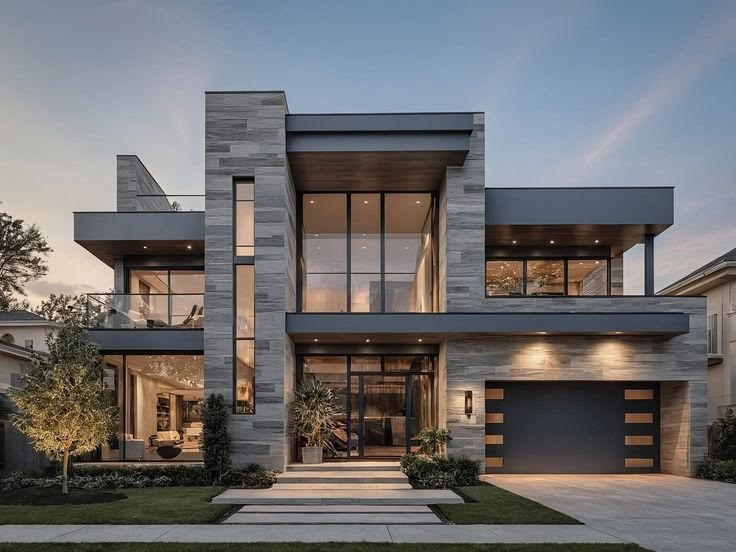
Home price appreciation is expected to remain largely muted, offering a much-needed breathing period for consumer purchasing power:
Redfin projects price appreciation to stay under 1 percent due to stubborn mortgage rates.
Zillow anticipates a modest 1.2 percent growth rate as the sector stabilizes.
Realtor.com estimates a 2.2 percent overall appreciation.
Bright MLS pegs the national median home price rising 0.9 percent to $417,560.
This near-flat pricing environment helps narrow the wide gap left by recent historical shifts where mortgage payments surged far faster than median household incomes. Restoring long-term balance will ultimately require sustained wage growth alongside steady pricing corrections.