
The Anatomy of the Affordable Housing Crisis: Why Homes Are Expensive, Scarce, and Changing the American Dream
As a real estate industry professional with over a decade of experience analyzing market cycles, I am frequently asked the same fundamental question: why has the dream of homeownership become so notoriously expensive and difficult to achieve? We are currently navigating a historic affordable housing crisis, a complex economic storm fueled by soaring development costs, entrenched demographic shifts, and fluctuating mortgage interest rates. For generations, buying a home was the baseline expectation of the American middle class. Today, however, navigating the real estate market requires the precision of a seasoned investor.
To truly understand the affordable housing crisis, we have to look past the surface-level headlines and dissect the structural imbalances defining the market today. It is not merely a matter of high prices; it is a profound mismatch between where people want to live, what they can afford, and what the construction industry is capable of building.
The Stark Geographic Disparities of the Affordable Housing Crisis
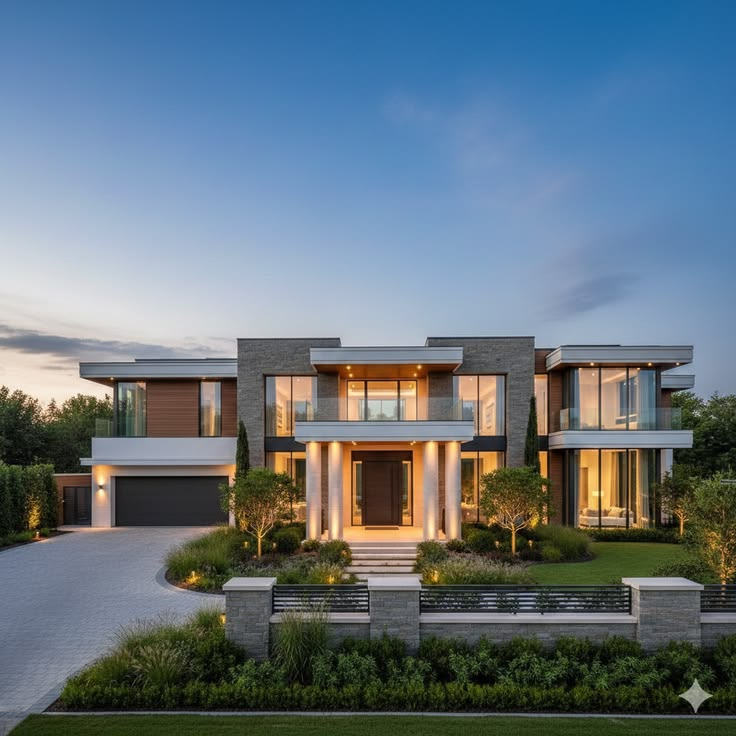
When we discuss the affordable housing crisis, we must acknowledge that real estate is hyper-local. A blanket statement about national averages often obscures the extreme polarization of local markets. Take, for instance, Atherton, California. Atherton consistently ranks as one of the most expensive housing markets in the United States, boasting a median home listing price that hovers near $8 million. In markets like this, luxury real estate market dynamics dominate, and inventory moves based on wealth preservation rather than basic shelter needs.
Contrast the Atherton California real estate landscape with the market in West Virginia, where the median home price sits comfortably around $140,000. It is no coincidence that West Virginia boasts the highest rate of homeownership of any state in the U.S., cresting at nearly 75%. California, constrained by astronomical pricing and severe inventory shortages, trails significantly at around 55%.
This geographic pricing disparity is the cornerstone of the affordable housing crisis. Homeownership has functioned as the primary vehicle for wealth accumulation strategies in this country for over a century. Today, more than a quarter of residential properties in the U.S. are valued at over half a million dollars. While this represents massive owner equity for those already inside the market, it creates an impossibly high barrier to entry for first-time homebuyers trying to get their foot in the door.
Global Baselines and the Michigan Market Anomaly
The cultural imperative to own property is not uniquely American. Globally, owning a home is viewed as a foundational pillar of financial security. Countries like Romania and Laos report homeownership rates exceeding 95%, underscoring a universal desire for property tenure.
Within the United States, however, the affordable housing crisis is forcing families to rethink where and how they live. Some regions have managed to maintain a healthy balance, offering a blueprint for stability. The Michigan housing market, for example, is a national leader in both ownership rates—remaining steadily above 70%—and occupant tenure. Homeowners in Michigan tend to stay in their dwellings for decades.
The median price of a home in Michigan sits near $250,000, representing a healthy, sustainable year-over-year growth of about 4%. Furthermore, geographic arbitrage plays a massive role in combating the affordable housing crisis. Your purchasing power yields vastly different results depending on state lines. While the median square footage of a home nationwide is approximately 1,800 square feet, buyers in Michigan often secure over 2,000 square feet for a fraction of what they would pay on the coasts. While new construction homes naturally skew larger—averaging over 2,500 square feet—the availability of moderately sized, existing homes in the Midwest provides a vital buffer against the wider affordable housing crisis.
Unpacking the 6-Million Home Shortage
As of our latest industry data, the United States contains nearly 150 million homes, with over 130 million actively occupied. However, years ago, the National Association of Home Builders sounded the alarm on an impending inventory cliff. Based on population growth trends, household formation rates, and the aging nature of our existing housing stock, we simply stopped building enough shelters to meet demand following the 2008 financial crisis.
Today, that deficit has crystallized. We are facing a national shortfall of nearly 6 million homes. This structural deficit is the true engine of the affordable housing crisis. California leads this grim metric with a shortage of approximately 2 million homes, followed closely by New York property market deficits approaching 1 million units.
But raw numbers do not tell the whole story. The affordable housing crisis is deeply intertwined with purchasing power. Even if developers magically produced a million new homes in California tomorrow, affordability remains the ultimate gatekeeper. Can the demographic of buyers actually afford the carrying costs of these properties? High development costs, supply chain bottlenecks, and restrictive local zoning laws make it incredibly difficult for builders to deliver entry-level homes profitably. Consequently, builders focus on luxury or upper-middle-tier properties, leaving the affordable housing crisis entirely unresolved at the entry level.
The Overbuilt Exception: Decoding Florida Real Estate Trends
Interestingly, the affordable housing crisis does not always manifest as a lack of physical structures; sometimes, it is a misalignment of product and price. Look at Fort Lauderdale housing trends. Recently, Fort Lauderdale has shown signs of being overbuilt in specific condo and high-end sectors. With a median home price exceeding $500,000, recent data indicates that up to 85% of homes sold in that specific market have been closing for less than their initial list prices.
This scenario highlights a crucial nuance in real estate investing strategies. When developers build exclusively for the top of the market, they quickly saturate demand. A healthy housing ecosystem requires constructing homes in high-demand areas that are actually affordable for the workforce wishing to purchase them. Without this balance, markets stagnate, leading to price drops in luxury tiers while the middle class continues to suffer the brunt of the affordable housing crisis.
The “Golden Handcuffs” of Mortgage Interest Rates
You cannot comprehensively analyze the affordable housing crisis without discussing the cost of capital. At the onset of the COVID-19 pandemic, a massive segment of the workforce realized they could work remotely. This spurred a historic migration, but it also coincided with rock-bottom mortgage interest rates. Millions of Americans wisely refinanced or purchased homes locking in 30-year fixed rates around 3%.
Fast forward to today’s economic environment, and those favorable rates have inadvertently exacerbated the affordable housing crisis. We call this the “lock-in effect.” Homeowners who might normally upsize, downsize, or relocate for work are refusing to surrender their 3% mortgages only to take on a new property at 6% or 7%. This dynamic has severely restricted housing mobility. Inventory that would traditionally turn over and become available to new buyers is being withheld from the market. Until mortgage refinance rates drop to a level that incentivizes these homeowners to move, existing inventory will remain artificially suppressed. Buyers are spending countless hours researching the best mortgage lenders just to find fractional advantages in points and terms, hoping to make the math work.
Aging in Place: The Demographic Shift Altering Inventory
Another major contributor to the affordable housing crisis is a reversal in the behavioral trends of older U.S. adults. Historically, real estate professionals anticipated a steady flow of inventory as retirees downsized or flocked to warmer Southern climates to live out their golden years. That assumption has shifted dramatically.
Many retirees have realized that relocating means severing ties with vital life anchors: trusted physicians, places of worship, established social circles, and nearby family members. Consequently, we are witnessing a massive trend of “aging in place.” Instead of selling, homeowners are leveraging their equity to remodel. They are investing heavily in home modifications—main-floor primary suites, accessible bathrooms, and widened doorways—to safely accommodate their senior years.
Because it often makes more financial sense to improve an existing property than to face the high costs of moving in the midst of an affordable housing crisis, this demographic is holding onto their homes longer than any previous generation. This significantly chokes the supply of entry-level and mid-tier homes that traditionally trickled down to younger families.
The Generational Wealth Divide in Homeownership
The most visible symptom of the affordable housing crisis is the glaring age disparity among property owners. While the overall U.S. homeownership rate has held relatively steady in the mid-to-high 60% range, diving into the demographics reveals a fractured landscape. Nearly 80% of adults over the age of 65 own their homes. In stark contrast, that number plummets to under 40% for young adults under the age of 35.
For millennials and Gen Z, the affordable housing crisis represents a formidable barrier to the wealth-building mechanisms their parents took for granted. High development costs, aggressive institutional investors outbidding families, and the high cost of borrowing conspire to keep younger generations locked in the rental market. Many of these young professionals are turning to alternative real estate investing strategies, such as purchasing multi-family properties to house-hack, or investing in REITs, simply because traditional single-family homeownership is out of reach. In the meantime, the rental market is booming, creating massive opportunities for those offering professional property management services.
Navigating the Future of the Affordable Housing Crisis
Solving the affordable housing crisis is not a one-size-fits-all endeavor. It requires a synchronized effort from municipal governments, builders, and financial institutions. Land availability and restrictive zoning must be addressed to lower the barrier to new construction. Often, developers spend years working alongside a real estate attorney just to secure the permits necessary to break ground, adding tens of thousands of dollars to the final cost of a home.
While lower fixed-rate mortgage money will undoubtedly help elevate homeownership statistics among younger buyers, cheap debt alone cannot fix a supply issue. Most markets desperately need a massive influx of diverse, available homes. We need to focus on building missing-middle housing—townhomes, duplexes, and modest single-family dwellings—to bridge the gap.
As we look toward the remainder of the decade, the real estate market will continue to be a challenging landscape to navigate. The affordable housing crisis is an entrenched reality, but it is not insurmountable for those who approach the market with preparation, flexibility, and expert guidance. Whether you are searching for your first home, looking to diversify your portfolio, or simply trying to understand the equity in your current property, strategic action is your best defense against market volatility.
If you are ready to stop watching the market from the sidelines and want to build a personalized strategy to navigate today’s real estate landscape, reach out to our team of experts today. Let’s review your options, connect you with top-tier lending professionals, and turn your real estate goals into a concrete reality.