
Navigating the Real Estate Minefield: How to Spot and Sidestep Problem Properties
With a decade of experience navigating the dynamic United States housing market, I have witnessed the extraordinary financial security and personal joy homeownership provides. Simultaneously, I have watched buyers fall victim to what our industry terms problem properties. These are not simple fixer-uppers requiring a fresh coat of paint; they are homes burdened by severe, concealed defects that can turn a dream investment into a financial nightmare. My objective is to equip you with the insights and strategies needed to identify these pitfalls confidently and ensure your next real estate acquisition is a sound, rewarding venture.
The excitement of discovering the ideal home is palpable. Yet, before signing a purchase agreement, a rigorous due diligence process is non-negotiable. Understanding what constitutes a problem property and learning how to avoid problem properties is paramount to safeguarding your capital and maintaining peace of mind.
Defining the Problem Property: Beyond Surface Imperfections
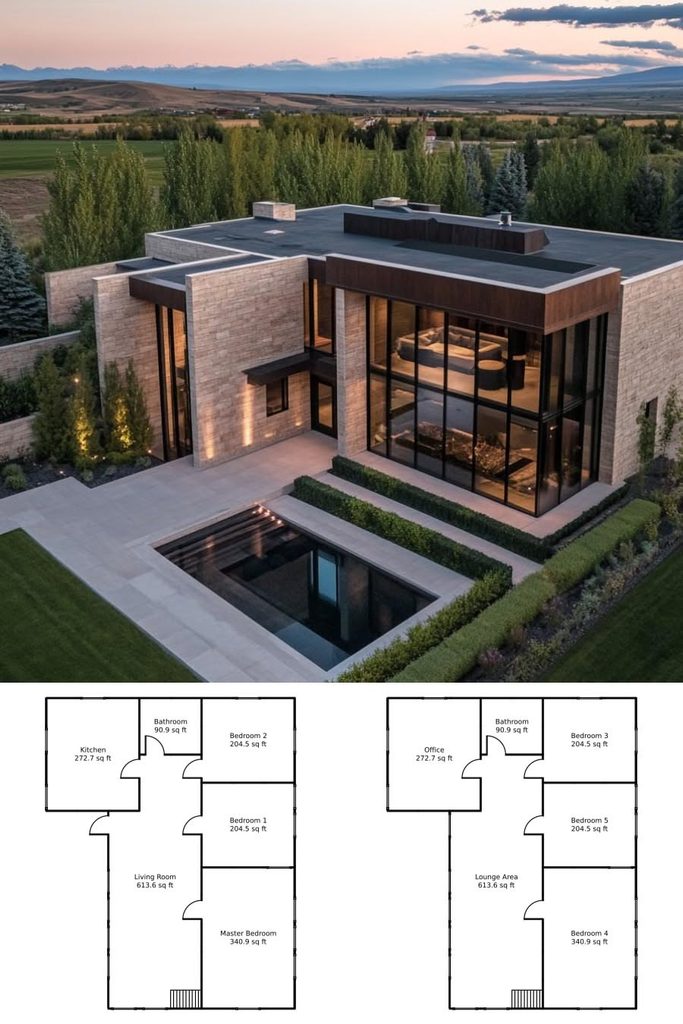
At its foundation, a problem property harbors structural, environmental, or legal defects that demand extensive, expensive repairs. These issues directly impact long-term property valuation and daily habitability. When searching for homes for sale, buyers must remain vigilant against several major categories of hidden flaws.
Structural Integrity Concerns
Compromised framing, sagging roof structures, and shifting foundations represent the most alarming category of defects. Foundation cracks, water-damaged wooden beams, and structural settling can easily require tens of thousands of dollars in repairs. Identifying structural integrity issues early in the buying process prevents catastrophic financial losses.
Environmental Hazards and Health Risks
Invisible dangers often pose the greatest threat. Stachybotrys chartarum, commonly known as black mold, creates severe respiratory risks due to underlying moisture intrusion. Radon gas, a naturally occurring radioactive substance, frequently seeps into lower levels, requiring professional testing. Additionally, older residences may contain lead-based paint or asbestos insulation, demanding costly remediation protocols before occupancy.
Building Code Violations and Unpermitted Additions
Municipal building codes exist to guarantee safety and structural integrity. Properties featuring unpermitted additions, outdated electrical wiring, or unvented plumbing are classified as hazardous. These violations complicate future resale efforts and often necessitate expensive retrofitting to achieve legal compliance.
Disaster-Prone Geographic Zones
External geographic factors can render a residence problematic. Dwellings located within designated floodplains, high-risk earthquake fault lines, or wildfire-prone regions carry elevated risks. Evaluating local hazard maps and historical exposure data is essential for managing long-term risk and insurance expenses.
The Proactive Approach: Your Strategic Defense
A decade in the industry has proven that astute buyers protect themselves by implementing a structured due diligence framework.
The Indispensable Home Inspection
A professional home inspection serves as your primary defense mechanism. A licensed home inspector conducts an exhaustive visual examination encompassing:
Structural Components: Assessing foundation stability, load-bearing walls, and roof trusses.
Plumbing Networks: Checking water pressure, drainage efficiency, and pipe integrity.
Electrical Systems: Inspecting main electrical panels, outlets, and wiring for code compliance.
HVAC Units: Evaluating heating, ventilation, and air conditioning functionality.
Insulation and Ventilation: Verifying energy efficiency and moisture control measures.
When reviewing properties in metropolitan hubs like Chicago or expanding suburbs, ensure your inspector specializes in regional construction anomalies, such as vintage foundation settling or legacy plumbing materials.
Unearthing Property History and Legal Encounters
A thorough investigation into a property’s background reveals red flags that standard walkthroughs miss.
Title Reports and Lien Searches: Reviewing public records through the county recorder ensures the title is free from contractor liens, unpaid taxes, or legal encumbrances. For investments in Texas, understanding local title insurance nuances is vital.
Permit Audits: Consulting local building departments verifies whether past renovations received official approval, mitigating the risk of unpermitted alterations.
Environmental Disclosures: Evaluating seller disclosures for historical hazards ensures complete transparency before closing.
Neighborhood Intelligence and Drive-By Reconnaissance
Local insights provide context that paperwork cannot convey. Conversations with neighborhood residents often highlight recurring drainage issues, municipal noise disturbances, or upcoming commercial developments. Furthermore, conducting drive-by inspections at various times of day—such as during morning commutes or severe rainstorms—exposes hidden traffic patterns and water pooling tendencies.
Analyzing Specialized Problem Scenarios

Structural Repairs and Foundation Stability
Foundation shifts often stem from expansive soils or hydrostatic pressure. When cracks appear, securing structural engineering consultations becomes imperative. Budgeting for specialized foundation repair services ensures you accurately calculate total acquisition expenses before committing to a purchase.
Mold Remediation and Environmental Mitigation
Addressing mold infestations requires certified mold remediation specialists to eliminate spores at the source. Similarly, mitigating radon involves installing professional radon mitigation systems, while lead and asbestos abatement require certified technicians. Factoring these specialized home renovation costs into your initial budget prevents post-closing financial strain.
Managing Insurance and Risk in Disaster Zones
Properties situated in high-risk zones demand careful financial planning. Securing comprehensive flood insurance or executing seismic retrofitting involves ongoing operational costs that must be balanced against the purchase price.
Secure Your Real Estate Investment Today
Real estate success relies on informed decision-making and meticulous preparation. By leveraging professional home inspections, conducting deep historical research, and consulting industry experts, you can successfully bypass hidden traps and secure a high-value asset.
If you are embarking on your home-buying journey and require personalized guidance through today’s market complexities, reach out today to schedule a consultation and ensure your next property investment is a secure success.