
Global Housing Market Dynamics: Trends, Challenges, and Forecasts Through 2035
The global real estate landscape is undergoing a profound transformation. Driven by demographic shifts, evolving economic climates, and urgent climate realities, the international housing sector is at a pivotal crossroads. Global demand for new housing totaled 53.0 million units in 2025 and is forecast to increase 2.7% annually to reach 60.7 million units by 2030. This growth is heavily spurred by chronic housing shortages in developing countries, rapid urbanization, and government-backed initiatives designed to stabilize urban centers.
As an industry expert with a decade of experience analyzing international real estate trends, construction economics, and residential development strategies, I have watched market fundamentals shift dramatically. Today, stakeholders must navigate everything from high interest rates and labor constraints to stringent sustainability mandates. Understanding these regional divergences and macroeconomic drivers is essential for developers, investors, and policymakers aiming to capitalize on future opportunities.
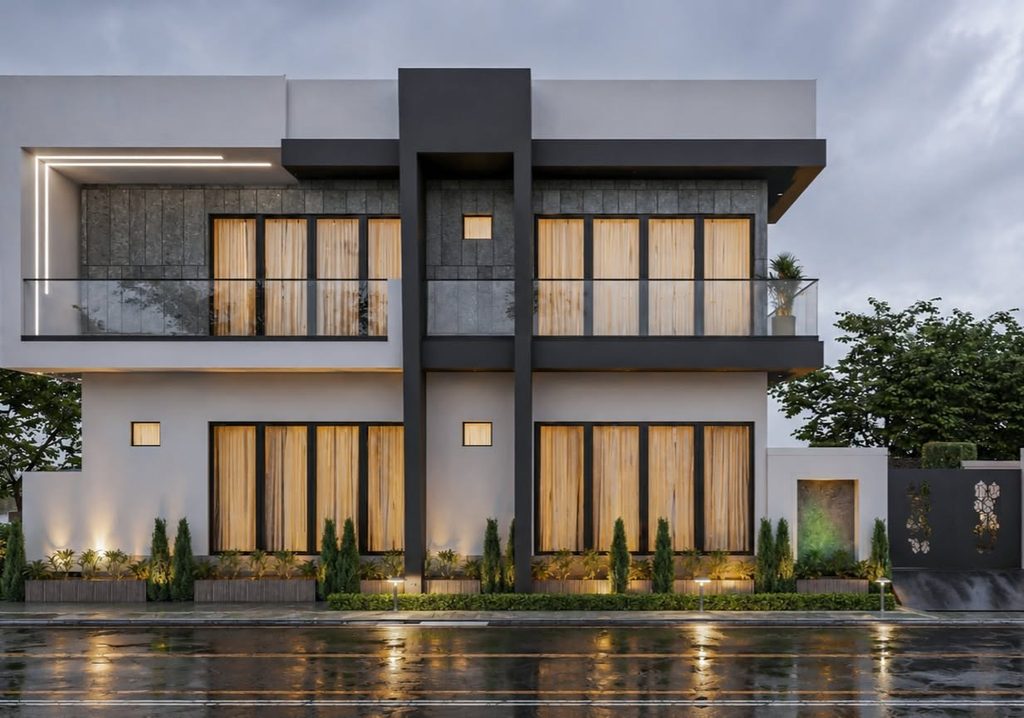
New Housing on Shifting Ground
New housing construction is shaped by a complex interplay of demographic pressures, volatile economic conditions, and shifting policy frameworks across major global regions. In North America, developers are leaning heavily into lower-density, single-family residential projects. This pivot comes as urban multifamily markets cool amid high vacancy rates, tighter credit standards, and mounting construction costs.
Meanwhile, Central and South America are propelled by middle-class expansion and steady internal migration. New residential projects in this region increasingly focus on climate resilience and affordability to tackle persistent infrastructure deficits. Western Europe is aggressively turning to energy-efficient building practices and modular solutions to modernize its aging housing landscape. In contrast, Eastern Europe faces significant headwinds from persistent inflation, skilled labor shortages, and subdued consumer confidence.
In the Asia/Pacific region, rapid urbanization and aggressive government-backed housing efforts are spurring development. However, China stands out as a cautionary tale: oversupply in small cities and financial instability within the real estate bubble have dragged down new construction. Across Africa and the Middle East, surging population growth and urban expansion are fueling immense demand, with large-scale affordable housing initiatives taking root to accommodate millions of new urban residents.
Aging Homes, Growing Gaps in the Global Housing Stock
The existing housing stock across these international regions reveals critical disparities in quality, formality, and readiness for future environmental and economic challenges.
North America and Western Europe: Older housing stock built before 1980 dominates these mature markets, driving immense demand for deep energy retrofits, technological upgrades, and modern interior designs. Detached single-family homes still prevail across North American suburbs, whereas high-density rental housing characterizes much of Western Europe.
Central & South America and Africa/Mideast: Much of the housing stock in these regions remains informal or self-built. These communities struggle with severe infrastructure deficits and heightened climate vulnerability, making substandard dwellings a widespread challenge.
Eastern Europe: The enduring legacy of Soviet-era concrete block apartments presents major renovation and structural modernization needs, further complicated by fragmented private ownership and regional demographic decline.
Asia/Pacific: The contrast here is sharpest. Ultra-modern high-rise towers in advanced economies stand in stark contrast beside informal settlements in emerging nations, prompting governments to step in and formalize housing stock through targeted urban renewal programs.
Climate, Modular Construction, and Government Policy Driving the Future
Around the world, governments are responding with targeted financial incentives, direct subsidies, and public-private partnerships to reduce housing deficits and ensure access to secure shelter. At the same time, mounting climate concerns are fundamentally reshaping how and where residential properties are built. Developers are implementing flood-resilient engineering in South America and heat-ready passive cooling designs in the Middle East.
To combat persistent skilled labor shortages, the industry is accelerating its adoption of modular and off-site construction methods. These innovative building techniques help compress project timelines and control overhead costs, particularly across European and North American markets. Furthermore, shifting demographics—ranging from aging populations in Japan and Eastern Europe to young, fast-growing cities across Africa—are directly influencing architectural design, community planning, and homeownership tenure preferences.
Regional Spotlight: North America and Western Europe
US and Canada Housing Market Favoring Single-Family Units
Aging millennials entering their peak homebuying years, combined with stabilizing income conditions, are supporting steady incremental growth in single-family demand. This trend is especially pronounced in lower-cost Sun Belt and exurban areas where land availability allows for scalable master-planned communities. In contrast, multifamily developers face compressed profit margins and prolonged project timelines. Consequently, single-family builds have become far more attractive in the near term due to faster capital turnaround and lower upfront capital requirements.
Energy Efficiency and Urban Density in Western Europe
The rising demand for net-zero, energy-efficient, and low-carbon housing is completely reshaping new construction across Western Europe. This shift is propelled by ambitious European Union climate targets, stricter national building codes, and strong consumer preference for sustainable living environments. Urban infill and brownfield redevelopment projects are rapidly gaining traction as historic cities face severe land scarcity and strive to increase housing density near vital transit corridors, employment hubs, and revitalized industrial zones.
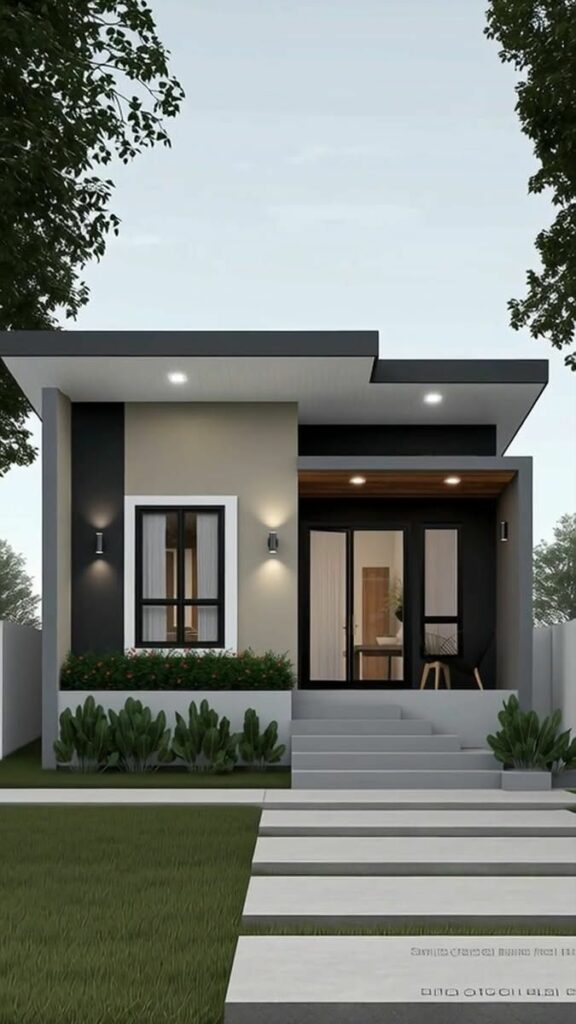
Global Housing Report Scope and Methodology
This analysis encompasses both the international housing stock and the development of new housing units. Historical data spanning 2015, 2019, and 2025—alongside comprehensive forecasts extending to 2030 and 2035—cover private owner-occupied and rental housing, public and social housing initiatives, and informal settlements. Housing units are segmented by type into single-family and multifamily structures (including apartments, condominiums, and townhouses), with all spatial metrics evaluated in square meters.
If you are looking to capitalize on these macro trends, optimize your real estate portfolio, or secure detailed regional forecasts for your upcoming development projects, we invite you to take the next step. Contact our advisory team today to access comprehensive market intelligence and custom data solutions tailored to your strategic goals.