
Detached houses keep getting more expensive.
Vacancy rates sit near historic lows, and city centers face economic pressure unlike anything seen before. Against that backdrop, a veteran of property development and real estate advisory has reached a firm conclusion about where most buyers should put their savings. After ten years on the front lines of the industry, the expert says an apartment is the smartest home for hard-earned capital.
The expert calls the shift toward high-density, master-planned precinct living “undeniable.” The judgment rests on four tests: the numbers, the lifestyle, the maintenance burden, and where a property sits within the city. By the expert’s count, apartments come out ahead on every one.
Market conditions help explain why the argument is gaining ground. Prices for standalone homes are climbing at record rates, and in recent years the distance between detached houses and multi-residential units has grown sharply. Shrewd buyers have noticed, and they are looking beyond the traditional backyard. A growing number now regard an apartment as the more resilient, financially sensible, and lifestyle-driven way into ownership.
Position comes first in the expert’s reasoning. Location, in the expert’s words, remains the undisputed king of real estate value. Houses and land parcels keep getting pushed toward the suburban fringes, farther from employment hubs, cultural precincts, and vital infrastructure. Modern apartment developments take the opposite approach and sit in the heart of high-demand metropolitan zones such as Melbourne, Sydney, and Brisbane. A resident of a master-planned precinct is only steps from public transport networks, corporate headquarters, top-tier educational institutions, and lifestyle amenities. That closeness saves time and removes the grueling daily commute. Fewer hours spent in transit fundamentally Improve daily quality of life for urban professionals and modern families alike. For that reason, the expert describes high-density urban living as the ultimate expression of modern convenience.
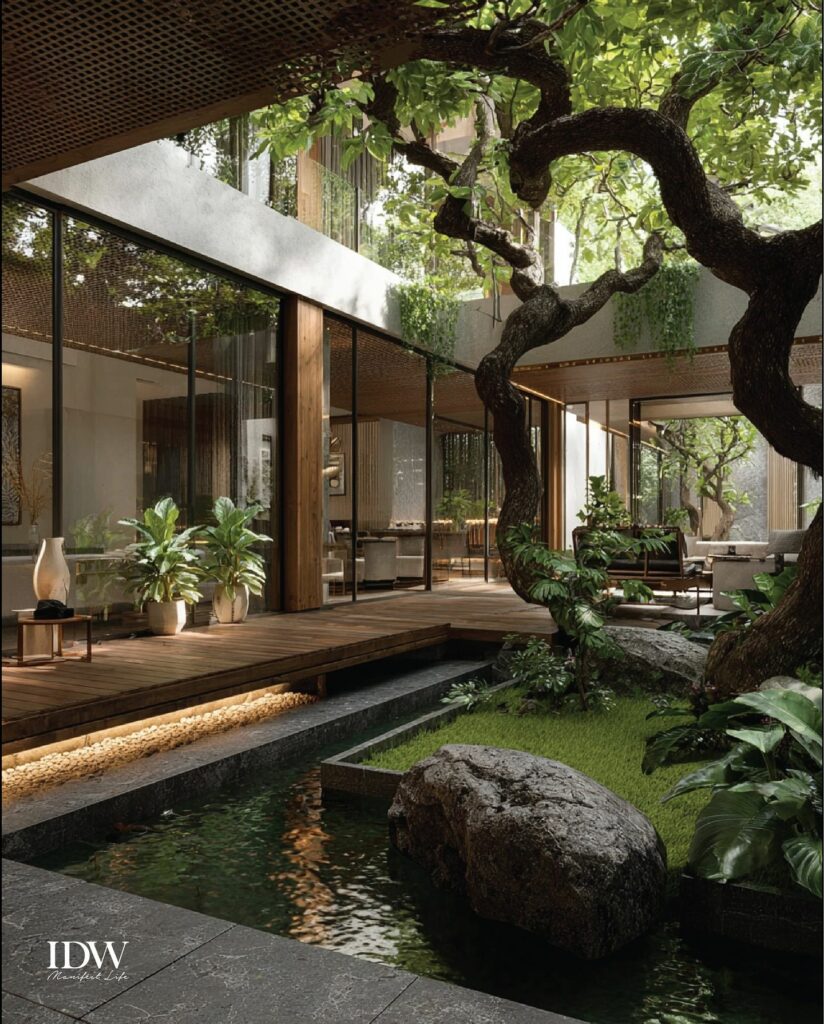
The second test, lifestyle, starts inside the building. An apartment once served as little more than a place to sleep, but the expert says that era is over. Today’s premier residential developments compete with five-star hotels and offer an extensive suite of shared amenities designed to elevate everyday living. Developers now build lifestyle infrastructure directly into the residential experience, creating spaces that would be entirely cost-prohibitive for a single-family homeowner to maintain alone. Modern apartment towers frequently feature fully equipped fitness centers, yoga studios, and indoor lap pools. Residents also gain access to private dining rooms, wine cellars, and resident lounges, as well as dedicated co-working spaces and business meeting rooms. Wellness areas include saunas, steam rooms, and spa facilities, while entertainment precincts add private cinemas, golf simulators, and rooftop gardens. Together, these facilities work as an extension of the private home, placing health, recreation, and socialization just beyond the front door. Vibrant ground-floor retail laneways, with artisan cafes, dining, and boutiques, complete the picture. They create a self-sustaining ecosystem that enriches the entire community fabric.
Community is another strength the expert points to. Modern urban isolation is a growing societal challenge, and traditional suburban developments often encourage insular living, with neighbors who rarely interact. Apartment complexes tend to offer the reverse, a vibrant and connected community. Elegant lobbies, landscaped courtyards, and communal barbecue terraces become organic hubs for social interaction. A casual chat over morning coffee, or a spot in an organized event such as a book club or fitness class, makes forging meaningful connections remarkably easy. The diverse demographic mix within vertical communities also exposes residents to a rich tapestry of cultural backgrounds, which fosters an inclusive environment of mutual respect and camaraderie.
Security offers one more contrast, especially for safety-minded homeowners, for whom protection is non-negotiable. Standalone houses often demand expensive, piecemeal installations just to reach basic peace of mind. Apartment complexes, by comparison, are engineered from the ground up with multi-layered, institutional-grade security protocols. Controlled access points, secure basement parking, comprehensive CCTV surveillance networks, and intercom systems work in concert so that only authorized individuals can enter the premises. Many premium developments also provide onsite management or concierge services. These add another tier of active oversight and help ensure a safe, secure environment for you and your family.
Then there are the numbers, since every purchase begins with the same practical question: how much money does it take to get in the door? In major metropolitan hubs, detached house values have climbed at an exponential pace, locking out many first-time buyers and everyday investors. Apartments and other multi-residential units have followed a steadier, more sustainable trajectory. Because the two property types keep drifting apart, the basic arithmetic of buying has shifted.
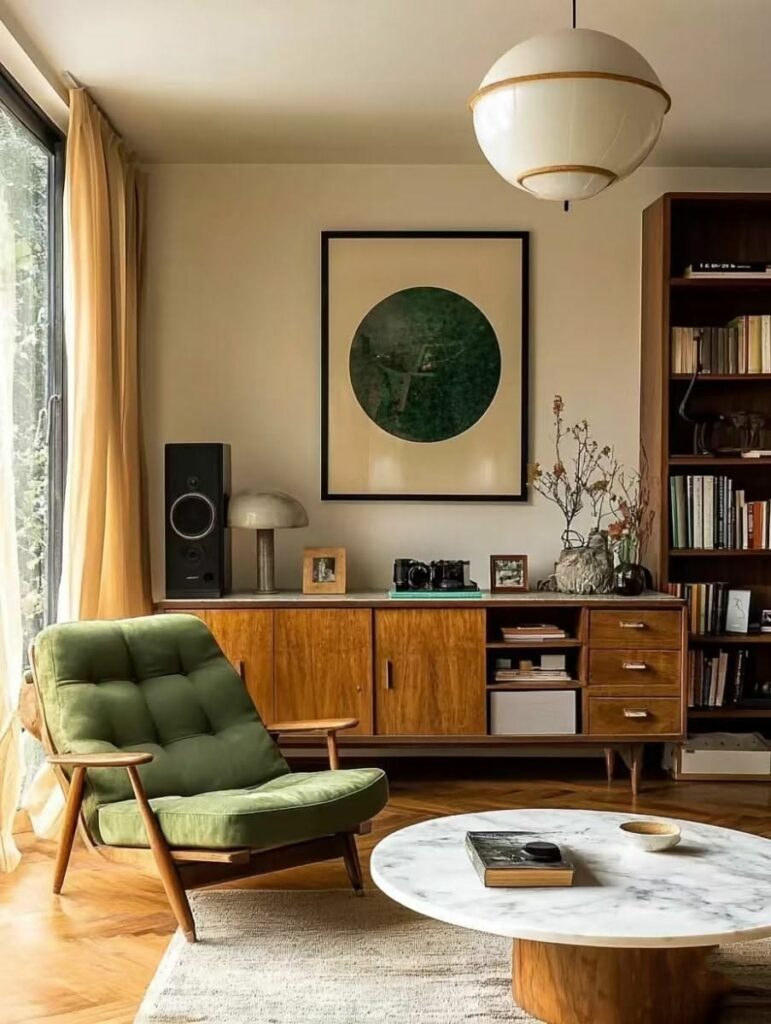
The expert says that shift favors apartment buyers in several ways. A far smaller initial outlay leaves more of your money liquid, and that capital can flow into other wealth-building vehicles. The savings do not end at settlement. Property taxes, building insurance premiums, and routine maintenance costs are divided among every member of the body corporate or owners corporation, which pushes ongoing carrying costs down. Owners keep more cash flow while still taking part in prime capital growth corridors. For an investor, the expert says, the result is a lower barrier to entry and stronger returns.
Maintenance is where the two property types differ most visibly. House owners spend countless hours, and a good deal of money, on roof repairs, gutter cleaning, lawn mowing, and exterior painting. Apartment owners skip those weekend chores altogether. In a managed apartment precinct, routine upkeep, landscaping, and structural repairs fall to the building management team and the owners corporation. That dedicated team keeps common areas, facades, and infrastructure in pristine condition year-round. The work is funded by a sinking fund, built from small, predictable periodic contributions from each owner, and it is designed to head off surprise repair bills that could strain a household budget. According to the expert, this preventive model protects the building’s structural integrity and long-term aesthetic appeal, and it safeguards the investment for decades.
The expert’s closing argument is direct. Whether the goal is a high-yield asset or a low-maintenance urban sanctuary, an apartment delivers advantages that neither a traditional house nor a vacant land parcel can match. For buyers who are scaling down, entering the market for the first time, or expanding an investment portfolio, the expert calls an apartment a future-proof strategy for sustainable wealth creation. Buyers ready to explore high-performing property opportunities are invited to contact the expert advisory team today and take a confident next step in real estate.
Put the four tests side by side, and the expert’s verdict stands: the numbers, the lifestyle, the lighter maintenance burden, and the strategic city position all point toward the apartment. With house prices rising at record rates and vacancy near historic lows, buyers now have to decide how much the traditional backyard is really worth to them.
If this breakdown helped you think through your next move, tap subscribe so more reporting like it lands in your feed. Hit the like button if you found it useful, and turn on the notification bell so the latest news reaches you as soon as it breaks.