
A property professional with ten years of experience in development, asset acquisition and urban market analysis has laid out a four-part case for buying an apartment instead of a house or a block of land.
The pillars are financial efficiency, uncompromised convenience, low-maintenance living and long-term capital growth. He says he has watched the market tilt toward apartments up close, and the figures he cites show why.
Across recent market cycles, standalone houses in Australia’s major capital cities have risen more than 33 percent in value. Units in those same cities have risen roughly 11 percent. For houses, that growth has tacked hundreds of thousands of dollars onto the price of entry, while unit prices have moved at a far steadier pace. In Melbourne, Sydney, Brisbane and other urban centers, the widening gap is nudging buyers and investors away from the quarter-acre standalone block and toward apartments.
By his account, metropolitan affordability has reached historic limits, and house prices have pulled well ahead of unit prices, leaving a wide gulf at the entry level. For first-time buyers, downsizers and portfolio builders, he argues, a modern apartment brings a lower financial barrier, a low-maintenance lifestyle and strong potential for capital growth. Those three qualities, in his view, make an apartment a smarter purchase than a house or a block of land.
He begins with location, which he calls the golden rule of real estate. Houses on land keep getting pushed into outer-ring suburban growth corridors. That means long daily commutes, heavy dependence on a car and distance from the major employment hubs. Contemporary apartment precincts follow the opposite logic. They are planned around transit-oriented development principles, known as TOD. A resident within walking distance of central train stations, tram lines and bus interchanges cuts weekly travel time sharply. Corporate headquarters, universities, medical precincts, fine dining and cultural hotspots are only minutes from the front door. A central address also removes the need for multiple cars, which trims fuel and vehicle maintenance costs over time. For busy professionals and active city dwellers, he says, the hours won back in a well-located metropolitan precinct translate directly into a higher quality of life.
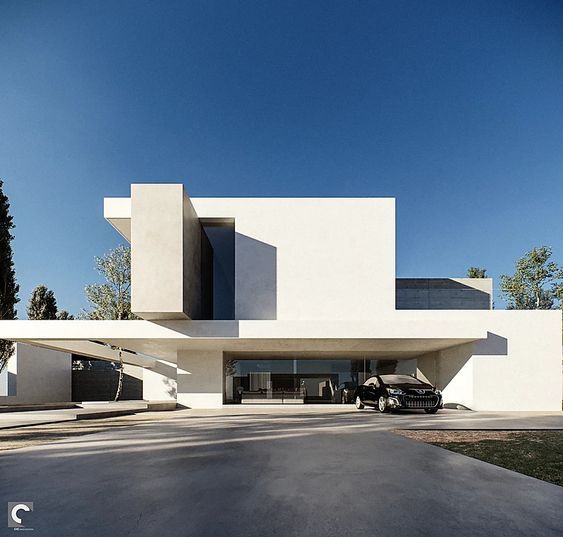
Cost is the second pillar. For most buyers, the capital needed to get into the market decides the question, and the price split between houses and units has sharpened that pressure. An apartment requires a much smaller deposit and clears lower mortgage serviceability thresholds, so ownership arrives years sooner. Ongoing expenses are lighter too. Council rates, property taxes and building insurance premiums are inherently lower on an apartment than on a large suburban land parcel. Investors gain an added edge. A lower purchase price paired with strong urban rental demand often produces higher gross rental yields, which Improves cash flow from day one. A buyer who chooses a high-density residential asset over an expensive house and land package keeps more cash, carries less debt and starts with a lower financial risk profile.
None of this, he says, forces a trade-off in space or lifestyle. Modern architectural design and master-planned precinct development have turned apartments into an Immersive, resort-style experience that standalone houses cannot match at a comparable cost. Premium residential towers now offer shared and private amenities on par with five-star hotels. On the health and wellness side, that means fully equipped commercial-grade gymnasiums, heated indoor and outdoor swimming pools, saunas, yoga studios and dedicated Pilates rooms. For entertainment and socializing, residents may have private dining rooms, wine cellars, golf simulators, private cinemas and large lounges for hosting guests. Green space is part of the design as well, through carefully landscaped podium gardens, rooftop terraces and lively retail laneways lined with artisan cafes, restaurants and boutique shopping. A house owner, by contrast, must spend weekends tending a private backyard, pool and garden, or else pay steep individual installation costs. Apartment residents simply walk into premium lifestyle infrastructure that is maintained collectively.
Security is the next point, and he describes it as non-negotiable for homeowners and investors alike. A standalone house on a large land parcel can carry vulnerabilities, particularly around perimeter security while the occupants are traveling or at work. Apartment complexes respond with a multi-layered security framework. Secure electronic fob or smartphone-enabled access points limit entry to residents and verified guests only. Comprehensive CCTV monitoring covers all common areas, underground parking garages and entry points. Many premium developments also employ dedicated onsite building managers or 24/7 concierge services, who screen visitors, handle deliveries and keep watch over the premises. That lock-and-leave convenience, he says, makes apartments an ideal housing choice for frequent travelers, busy executives and security-conscious buyers.
Upkeep is where the two housing types diverge again. Moving from a house to an apartment ends the weekend chores and the demanding maintenance projects. In a standalone house, a broken gutter, a failing hot water system, a cracked roof tile or an overgrown lawn falls on the owner, in both labor and expense. In an apartment, that burden shifts to professional building management and active owners’ corporations. Routine exterior maintenance, window cleaning, common area landscaping and structural repairs are handled quietly in the background. Regular scheduled inspections keep the building sound and well presented year-round, which protects the value of the asset. Major capital works are funded through a sinking fund, also called a capital works fund. Instead of confronting a sudden and punishing repair bill, all residents contribute modest, predictable sums to a shared budget over time. That pooling makes budgeting easier and keeps the investment professionally protected without drawing down personal savings.
Community rounds out his argument. Human connection is a cornerstone of well-being, he says, yet modern suburban design often encourages isolation, with residents retreating behind high fences and long driveways. High-density residential precincts work the other way, fostering a lively, interconnected micro-community. Shared lobbies, communal rooftop terraces, courtyard cafes and organized social events all act as natural catalysts for interaction. A casual morning chat over coffee, a weekend fitness class or a community holiday celebration builds a genuine sense of belonging. The demographic mix deepens the effect, because young professionals, downsizers, international expats and families all live side by side. The result is a rich and inclusive cultural fabric that broadens perspectives and enriches everyday life.
His conclusion ties the threads together. As urban centers continue to densify and lifestyle preferences shift toward connected, amenity-rich environments, well-located apartments, he says, represent the pinnacle of modern real estate opportunity.
The two headline figures remain the simplest way to frame the debate: houses up more than 33 percent, units up about 11 percent. Transit access, shared amenities and security all point in the same direction for anyone weighing an apartment against a house or land, and that gap is a sensible place to begin any comparison.
If this breakdown was useful, hit the subscribe button so the next video lands in your feed as soon as it’s published. Give it a like if it helped you think through your own property decision, and turn on the notification bell so you catch the latest updates the moment they go live.