
Manned gates open around the clock.
Cameras cover the grounds. Children play outside while their parents sleep soundly indoors. For many families, that scene is what a home is supposed to provide, and it is one of the strongest reasons to buy an apartment instead of renting one.
I have worked in real estate for more than ten years and have talked with hundreds of people trying to settle the rent-or-own question. Markets have swung up and down in that time, but my conclusion has not budged, even though feelings always get tangled up with the math. For anyone who wants lasting financial stability and genuine security, buying an apartment is by far the wiser path. Demand for modern urban housing keeps rising, and more buyers are seeing why. Property is the stronger investment vehicle. It delivers security for life, predictable finances, and wealth a person can see and hold.
Safety deserves attention first, because modern families rank it as a top concern. Standalone rental houses often lack complete safety infrastructure. Premium apartment complexes build their security in layers: 24/7 manned gates, CCTV surveillance, intercom systems, and restricted access for visitors. That protected environment gives residents total peace of mind.
Daily life inside these communities is richer, too. A modern urban apartment comes with a full lifestyle ecosystem. Gated communities and luxury developments provide world-class amenities, among them landscaped parks, fully equipped fitness centers, swimming pools, clubhouses, and children’s play areas. Standalone rental homes and older properties cannot match the way those shared facilities Improve ordinary routines.
Ownership also changes how a person experiences home. It brings pride, a sense of belonging, and a psychological security that renting cannot replicate. A tenant whose landlord refuses to renew the lease, or abruptly raises the rent, may be forced to relocate every few years. Each move disrupts the household’s routines and interrupts the education of the children. An owner stands in a very different position. He or she becomes a permanent pillar of the community, with deep roots and lasting relationships among neighbors, and never has to worry about the stressful uncertainty of temporary rental agreements.
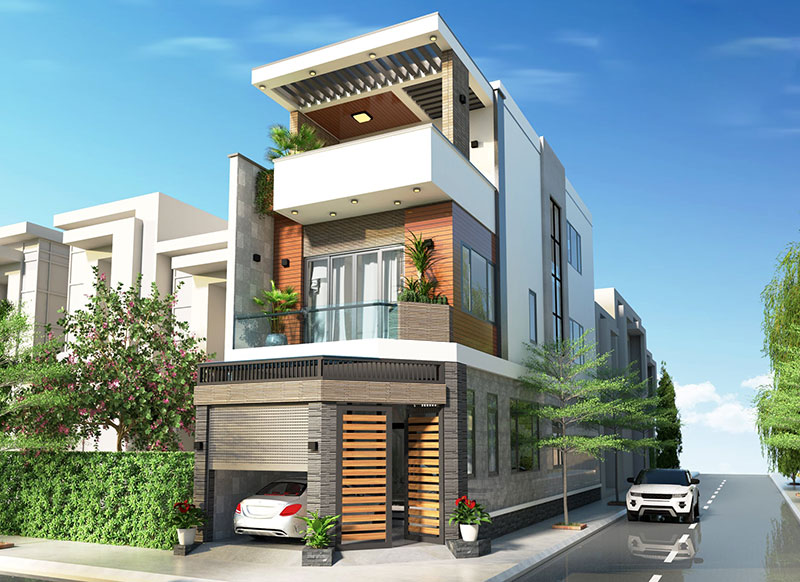
Control over the living space matters just as much. Tenants live under a standing list of restrictions. They cannot repaint the walls in a favorite color, take out a non-structural partition to Improve how a room flows, or install high-end fixtures without risking the security deposit or running into a landlord’s refusal. An apartment owner faces none of those limits. The interior can be redesigned entirely, the kitchen appliances upgraded, premium flooring laid, and every square inch tailored to personal taste and lifestyle. The result is maximum comfort every day.
Now to the money, which is where the two paths diverge most sharply. Buying real estate is a strategic, long-term investment that builds equity steadily every year. Imagine a tenant and an owner who each pay roughly the same amount each month. The tenant’s payment goes to a landlord as a recurring operating expense, and when the lease expires, nothing lasting remains. The owner’s payment goes toward an asset. Ownership acts like a forced savings plan, because each mortgage or EMI payment enlarges the owner’s stake and lifts personal net worth. Property values have historically risen over time, so the asset gains value year after year. Real estate is also a powerful hedge against inflation, which lets the original investment compound. Rent, by comparison, drains monthly cash flow and leaves nothing to show when the lease ends.
Rising rents make that problem worse. They are notorious for creeping upward at every renewal, which erodes long-term affordability and complicates retirement planning. A home financed with a fixed-rate loan puts housing costs under the buyer’s control. Home loans carry structured, stable payments, so a borrower is shielded from the arbitrary increases a landlord can Impose. Landlords raise rents to keep up with inflation, whereas a fixed housing payment stays anchored. Once the mortgage term ends, the owner enjoys decades of completely rent-free living, which sharply reduces the cost of living in retirement.
Government policy tilts the field toward owners as well. Governments around the world actively encourage homeownership with lucrative tax incentives, and renters miss out on every one of them. Tax laws frequently allow substantial deductions on home loan interest, which lowers the annual tax burden. Portions of the principal repayment also qualify for deductions, optimizing taxable income further. Various regional and national first-time buyer schemes make entering the property market more financially accessible than ever.
A mortgage shapes financial habits, too. Managing a structured home loan both requires and fosters ironclad financial discipline. Paying on time every month is one of the fastest ways to build an exceptional credit history, and a pristine credit score strengthens overall financial credibility. That in turn unlocks lower interest rates on future loans, credit cards, and business ventures. The budgeting discipline that homeownership demands also spills over into every other area of personal finance.
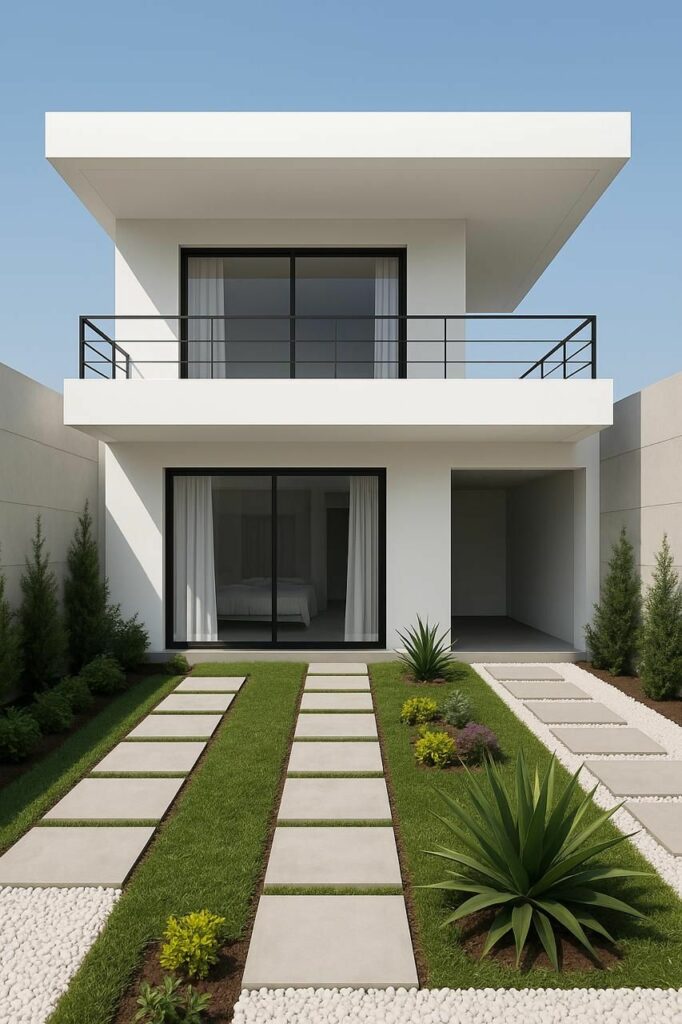
Larger floor plans open up additional options. Someone who acquires a spacious 2 BHK or larger apartment keeps the flexibility to generate passive income. In thriving residential corridors, rental demand consistently outstrips supply. That strong demand makes it easy to lease out a spare room, or the entire unit if circumstances require a move. The personal asset then becomes a dependable source of income.
Several questions come up again and again in these conversations. Why is buying a home better than renting? Buying offers long-term financial equity, asset appreciation, stability, and total freedom to customize the space, while renting is an ongoing sunk cost with zero return on investment. What is the single biggest advantage of buying over renting? Ownership equity: monthly payments actively build a valuable asset that appreciates over time, instead of disappearing into someone else’s pocket. What are the main advantages of apartments? They provide superior security, shared community amenities, lower individual maintenance costs, and a convenient, connected lifestyle. Why is apartment living superior to independent houses? It grants access to upscale shared facilities such as fitness centers and parks, while removing the heavy burden and cost of exterior maintenance and standalone security management.
For anyone ready to take a first step, Siddhi Homes specializes in crafting premium living spaces engineered for comfort, safety, and exceptional future appreciation. Its latest portfolio of projects is open to explore today, as a definitive first move toward owning a home that truly belongs to you.
Moving from tenant to homeowner remains one of the most powerful wealth-building decisions a person can make. An apartment purchase brings financial security, protection against inflation, tax advantages, and a far better quality of life. Whether the goal is a dream residence or a high-potential investment property, owning real estate secures long-term stability and prosperity. Every household reaches this choice whenever the monthly bill comes due: one payment disappears when the lease does, while the other keeps building an asset that remains yours.
If this report gave you something to think about, hit the subscribe button so more breakdowns like it land in your feed. Tap like to help other viewers find the video, and turn on the notification bell so you never miss the latest news the moment it goes up.