
The strategist’s argument starts with a sequence: sign the contract today, lock in the price today, and collect the keys a year or two from now.
He has spent ten years in the property industry and advised hundreds of clients. In that time, he has watched newcomers buckle under three pressures at once. Interest rates are climbing, lenders are examining applications more closely, and prices show no sign of leveling off.
Of all the routes open to a first-time buyer, he considers off-the-plan buying the strongest. That means purchasing a new property before construction is finished. He contrasts it with the older, established house, which he says often conceals repair bills that quietly erode a buyer’s savings. A new home secured ahead of completion, in his view, delivers financial and lifestyle gains that an aging property seldom matches. He sorts those gains into four categories: affordability, government support, protection against market swings, and design built for the future.
Affordability comes first, because first-time buyers name it as their largest obstacle. In conventional markets, established homes frequently carry inflated prices. Demand for them is Immediate, and buyers have little room to bargain. Off-the-plan deals relieve that pressure in several ways. Developers commonly set competitive opening prices, since early sales build momentum and help fund the project. And whichever way the broader market moves afterward, the buyer’s price does not change.
The payment structure also works differently. No one has to produce the full purchase amount, or even a large lump sum, on day one. The standard arrangement asks for a modest deposit, often around 10%, with the balance due only when construction reaches final completion. The strategist calls the gap between the two a runway. Over months or even years of building, a buyer can keep saving, tighten the household budget, and strengthen their financial standing, all without mortgage repayments weighing on them from the first day. For many young professionals and families, he argues, that breathing room turns homeownership from an out-of-reach dream into a realistic goal.

Government assistance is the second pillar. Programs exist specifically to close the gap for first-time buyers. The regulatory landscape shifts often, but the main support systems remain in place and help newcomers clear the usual barriers to ownership. One of the most significant is the government-backed First Home Loan initiative. Banks routinely demand a hefty 20% deposit, an amount that can take years, even a decade, of aggressive saving to accumulate. Specialized low-deposit frameworks cut that requirement sharply, in some cases to as little as 5%.
Pairing one of those frameworks with an off-the-plan purchase makes the advantage compound. The buyer secures a future home at today’s fixed valuation while contributing only a fraction of the capital up front. The wait to reach the first rung of the property ladder shrinks considerably. The buyer is also shielded from two lasting pressures: rents that keep climbing and property prices that keep inflating.
Uncertainty is the third consideration, and it accompanies every property cycle. Market corrections, interest rate adjustments, and sluggish economic conditions often leave buyers hesitant to commit their money. The strategist sees a paradox in that, because those are exactly the conditions in which an off-the-plan purchase proves its resilience.
The mechanics explain why. Under an off-the-plan contract, the purchase price is set on the first day. Settlement waits until construction ends, frequently 12 to 24 months later, and the market keeps moving throughout that window. If property values rise in the meantime, the buyer’s asset may already hold added equity before the keys change hands. If the market stalls for a while instead, the locked-in contract price keeps the buyer from paying an inflated peak price. That built-in cushion protects the investment and offers a degree of long-term financial security that a traditional purchase with instant settlement cannot provide.
Money is only part of the picture, because a home is a deeply personal matter. Today’s buyers expect more from their living spaces than earlier generations did. They want energy efficiency, smart-home integration, minimalist aesthetics, and low-maintenance upkeep. Developers of modern off-the-plan projects understand those shifting preferences well. New developments therefore feature cutting-edge architectural design, double-glazing, high-grade insulation, solar power provisions, and sustainable building materials. Those elements Improve daily life, and they also cut ongoing utility and maintenance costs significantly.
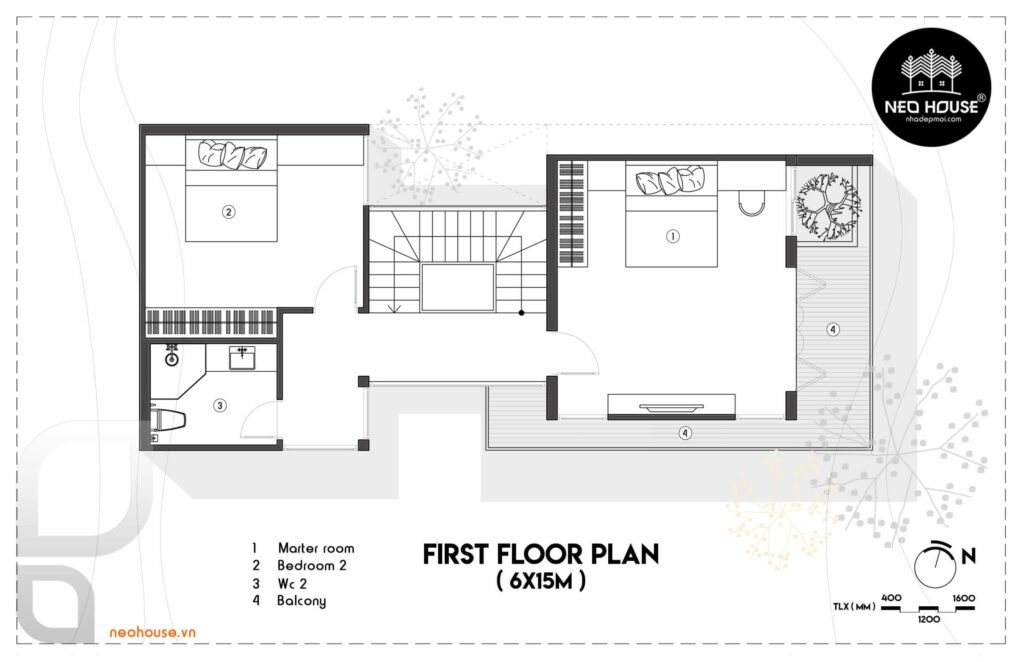
An older established property can offer a very different experience. Owners often face expensive renovations soon after moving in, unexpected plumbing failures, and costly structural upgrades. A home bought off-the-plan avoids those headaches. It complies with the latest building codes and comes with comprehensive developer warranties. It also stays highly attractive to future buyers or tenants should the owner’s lifestyle needs change down the track.
Stepping into the property market for the first time is undeniably intimidating, yet the strategist insists the right strategy changes everything. Strategic financial planning, low-deposit lending options, protection against market swings, and the efficiency of modern architecture join together into a clear, structured pathway. That pathway leads toward long-term wealth creation and stable housing.
His argument comes down to four points. A small upfront deposit and a long settlement window lower the cost of entry. Government-backed low-deposit lending shortens the road to ownership. A price fixed on day one offers protection while the market moves. And a new build brings modern design, current building standards, and developer warranties. Each point answers a different pressure on first-time buyers, and together they explain why this route deserves serious consideration from anyone about to take that first step.
For anyone weighing that first purchase, the question comes down to which of those pressures matters most, and whether a price locked today, with the keys arriving a year or two later, is the answer to it.
If this report gave you something useful, tap subscribe so the next one reaches you right away. Hit the like button as well, so the video can find others facing the same decision. And switch on the notification bell, so the latest news lands in your feed the moment it’s published.”