
A renter pays every month and walks away with nothing on the balance sheet.
A homeowner with a mortgage also pays every month, but that payment works like a forced savings plan, raising net worth with each installment. This contrast sits at the center of six advantages of apartment ownership laid out by an industry professional with ten years of hands-on experience in the property sector.
Few decisions carry more weight than choosing where to live, and a first-time buyer enters a market that can feel daunting, with few simple options. One route is to commission a custom single-family house. The other is to purchase a professionally engineered unit from an established developer. In both cases, the buyer has to weigh finances and lifestyle with a clear head. Growing cities and shifting populations have driven demand for vertical housing sharply higher in recent years, and the six advantages below help explain why apartments attract both home seekers and investors.
The first is financial, and it is the one with the longest reach. Buying a unit demands a heavy commitment up front, yet the purchase also serves as a durable tool for building wealth. Renters who pay month after month with no end date are spending cash that never returns to them as equity. Over several years, rising property values and a shrinking loan principal work in tandem, and an ordinary homeowner turns into a strategic financial planner. That stability frees up mental space for bigger goals: a solid retirement portfolio, funding for children’s higher education, and diversification into other high-yield investments.
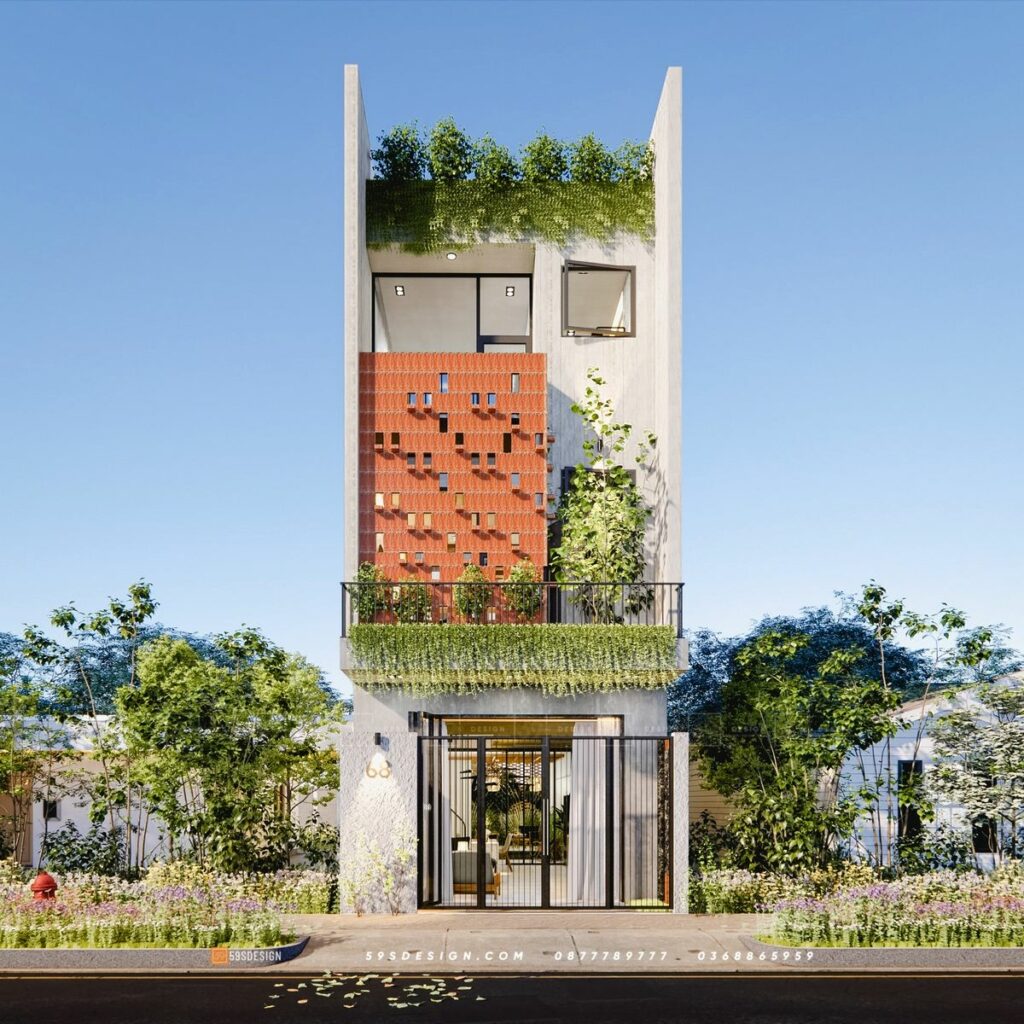
The second is safety, where apartment complexes start from a far stronger baseline than standalone houses. Families, working professionals and frequent travelers all place physical security near the top of their concerns. Vertical living puts residents among neighbors who act as an informal first line of watchfulness. Professional developments then layer on institutional-grade security infrastructure. Trained guards staff every entry and exit point around the clock. Closed-circuit television, or CCTV, covers common areas, parking garages and perimeters, while secure access control systems, intercoms and fortified boundary walls add further protection. An owner who leaves for an extended vacation, or who lets children play safely in the ground-floor courtyard, can set aside much of the constant worry about a vulnerable property.
The third is community. Loneliness and isolation have become silent epidemics in modern cities, yet vertical residential communities tend to resist them naturally. An apartment complex creates daily, organic opportunities to meet people. Neighbors cross paths in the elevator, chat beside the swimming pool, or organize events through resident associations, and lasting friendships form easily in those settings. That supportive social fabric enriches residents emotionally and gives them a dependable network, whether they are facing an ordinary routine or an unexpected emergency.
The fourth is design flexibility. Housing needs change over the years, and modern apartments are built to keep pace. Developers offer a wide inventory of configurations for different family situations. Single-unit apartments give smaller households maximum privacy and quiet floors. At the other end of the range, spacious luxury units with expansive open-plan layouts exceed 5,000 square feet and hold four or five bedrooms, a good fit for multigenerational families. Many progressive development firms go further. During construction, they let buyers work with interior architects on custom layout adjustments, personalized floor plans and bespoke finishes that reflect the owner’s own taste.
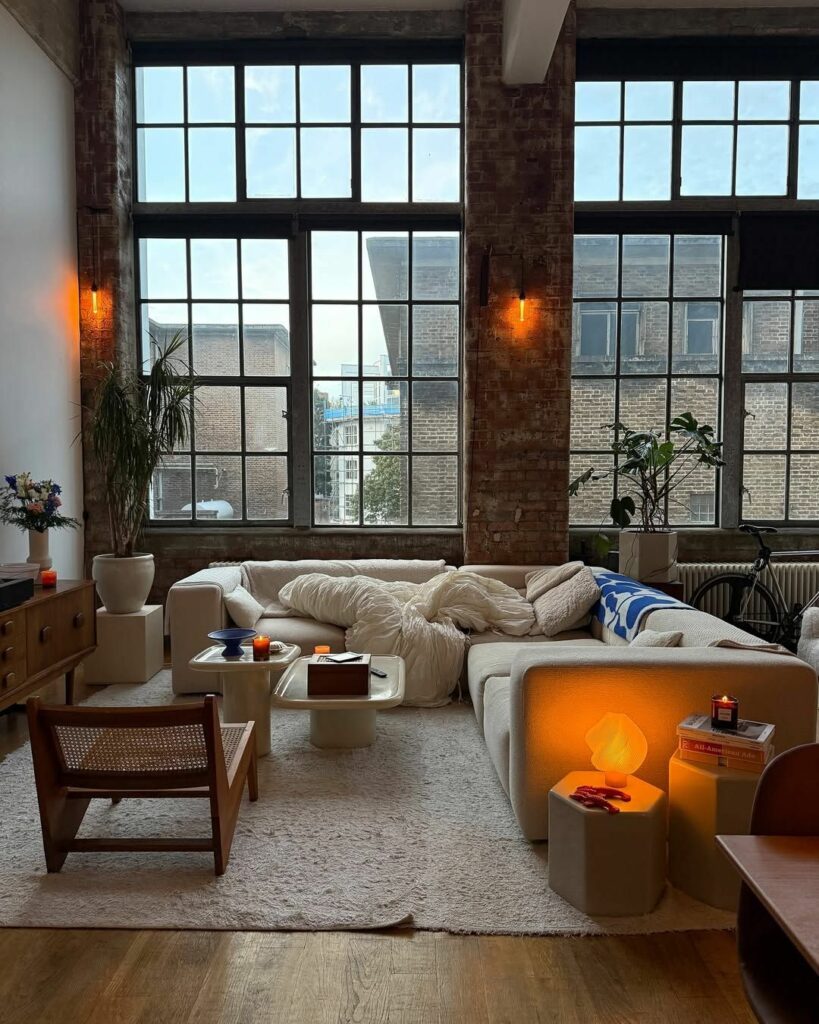
The fifth is what the complex itself provides. Apartment living now involves far more than interior finishes and Imported sanitaryware. Residential communities are planned as self-contained micro-ecosystems designed to raise the quality of daily life. Residents of a managed complex enjoy maintenance-free access to high-end facilities that would be too costly to build in a standalone home: fully equipped fitness centers and private gym spaces, swimming pools and wellness decks, dedicated children’s playgrounds and indoor play zones, and community halls and multi-purpose event spaces for social gatherings. With everything on site, people can keep an active, comfortable routine without leaving the safety of their own community.
The sixth is location. Top developers choose their sites deliberately, favoring high-demand urban centers and fast-growing suburban nodes. Buyers in those areas receive more than the space inside their walls, because the address puts essential infrastructure within easy reach. Schools are nearby, from respected primary schools to major universities. Advanced healthcare facilities sit close enough to guarantee a rapid response in a medical emergency. Getting around is simpler too, since bus networks, upcoming metro lines and major transit hubs are often a short walk from the front door. Some buyers crave the lively pulse of a downtown commercial district, while others prefer the quiet of a settled residential enclave. Multi-family housing can deliver either, with a degree of access that detached suburban homes frequently lack.
Taken together, steady financial growth, a close community, flexible architecture, strong security, premium amenities and accessible locations make an apartment purchase a sound long-term investment strategy. For anyone choosing between a custom house and a developer-built unit, each of these factors shapes how well a home serves its owner for years to come. The choice of where to live is made once, but its effects are felt every single day.
If this report gave you something useful, hit the subscribe button so you can follow our upcoming coverage. Tap like if the video helped, and switch on the notification bell so the newest stories reach you the moment they go live.”