
A first-time buyer who signs a purchase contract ties up years of savings in a single asset.
The property chosen can shape that person’s finances for a long time afterward. The hazards are familiar to anyone who has shopped for a house: repair bills that surface only after closing, bidding wars against rival buyers, and homes whose structural histories no one can fully verify.
The speaker in this account has spent a decade working directly with residential developers, mortgage brokers, and people new to the market. Over those ten years, one strategy has consistently beaten the alternatives for first-timers: buying a brand new construction home. In the speaker’s assessment, it delivers everyday convenience, financial predictability, and long-term security all at once. The case rests on several pillars, and the first is the physical safety of the structure.
Anyone who puts life savings into a primary residence needs a building that is safe, durable, and constructed to rigorous legal benchmarks. A pre-owned property always involves some guesswork, whether about unauthorized renovations from the past or aging infrastructure that fails to meet modern building codes.
A newly built home falls under strict statutory frameworks, including comprehensive building acts and municipal codes. These mandate close oversight at every phase of construction. Independent inspectors, council certifiers, and quality assurance engineers review the framing, fire safety systems, seismic bracing, sanitation, and weather-tightness membranes.
Choosing a newly built property removes the uncertainties that come with legacy housing stock. Modern engineering techniques and innovative composite building materials satisfy baseline regulatory requirements and frequently exceed them. The result is an asset that holds up against local climate variations, extreme weather events, and moisture ingress. Strict regulatory compliance also raises the asset’s liquidity and market value. When the owner is ready to upgrade or relocate, the home remains highly attractive to future buyers.

The second pillar is the builder and the way the project is delivered. Buying a home means working with professionals who put the buyer’s interests first, and a reputable developer with a proven track record handles the investment with full transparency and craftsmanship. Established home builders keep direct supply chain partnerships with top-tier material manufacturers. Through those relationships they secure superior timber, concrete, and finishing hardware, materials that independent DIY renovators rarely get access to. The same commitment to structural integrity extends past the walls of the house to neighborhood master planning, community parks, drainage management, and landscaping.
Reputable construction firms also work to clear, predictable contractual timelines. They coordinate financing schedules, council sign-offs, and final finishing stages with professional precision. That coordination minimizes the intense stress that normally surrounds moving dates and mortgage disbursements. Once the keys change hands, professional builders provide dedicated customer care teams to handle any adjustments needed after the owner has moved in, so the transition into the new home is seamless and fully supported.
Warranties form the third pillar, and they protect against unexpected costs. With an existing resale property, every preexisting defect transfers to the buyer the moment the sale closes. A newly built home carries legal guarantees instead. Typical packages include a one-year workmanship defect period, which covers minor settling issues, along with a ten-year structural integrity warranty. That institutional backing removes surprise out-of-pocket expenses during the critical first years of ownership and gives the owner complete reassurance.
Maintenance is the fourth, and it matters because modern life moves at a relentless pace. Between a demanding career, personal relationships, fitness routines, and social commitments, few people want to spend hard-earned weekends knee-deep in renovations or emergency plumbing repairs. Older houses often conceal a hidden catalog of deferred maintenance, from aging roofs and outdated wiring to deteriorating foundations that call for constant spending.
Contemporary new construction homes are built with modern lifestyles and longevity in mind. Cutting-edge durable materials, advanced waterproofing techniques, and resilient architectural finishes stand up to daily wear and tear. Owners spend far less time scrubbing difficult surfaces or coordinating contractor repairs, and far more time enjoying their personal sanctuary. High-end fixtures, modern cabinetry, and state-of-the-art HVAC systems are selected for their extended lifespan. The living space therefore stays pristine for years without frequent component swaps.
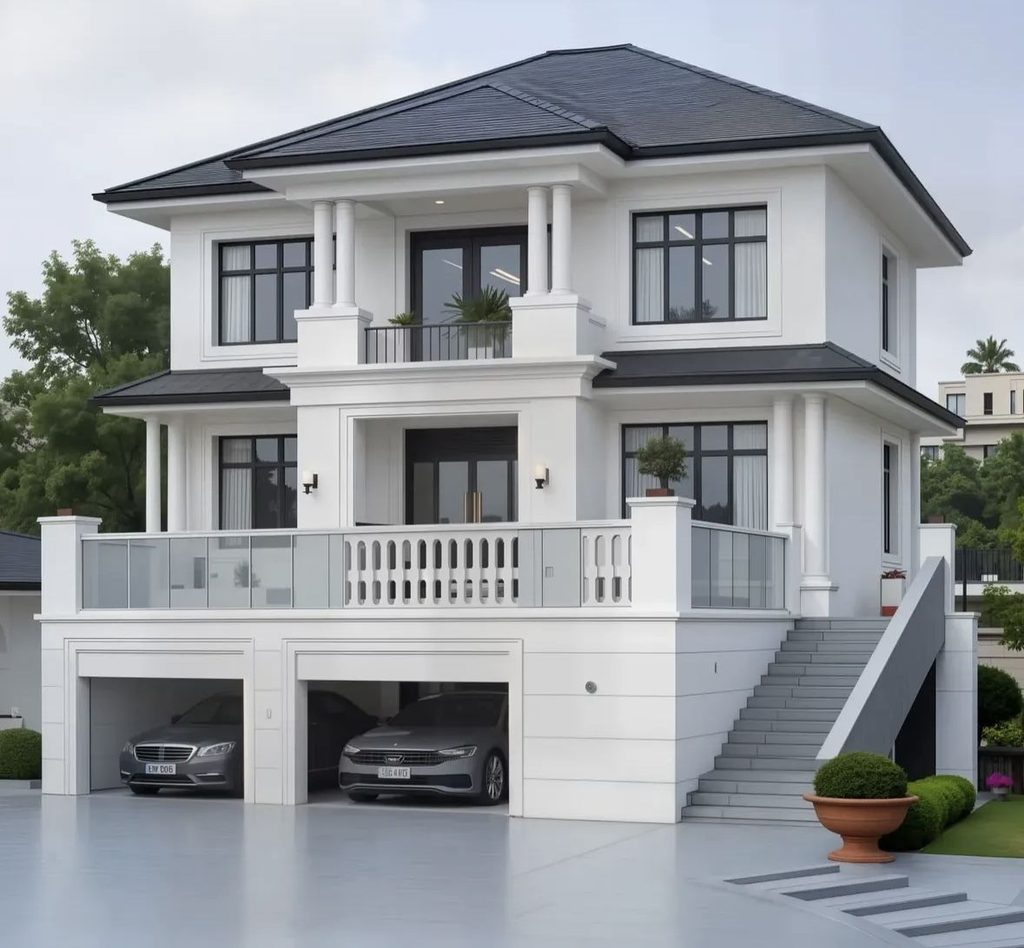
Monthly utility costs make up the fifth consideration. Older properties have a reputation for leaking heat, drafty windows, and inefficient heating systems that drive bills sharply higher. New construction homes are engineered to meet stringent modern energy-performance standards. They incorporate advanced wall insulation, multi-pane double- or triple-glazed windows, LED lighting arrays, and high-efficiency heat pumps. These integrated green building technologies substantially reduce monthly energy consumption, which helps a new owner ease into running a household budget independently.
The remaining pillar is money, and it carries the most weight for someone just stepping onto the property ladder. That step can feel daunting, particularly when headlines are dominated by shifting interest rates, inflation, and changing property valuations. New construction offers several financial advantages that take some of the pressure off.
The first is mortgage lending. In many jurisdictions, regulatory restrictions such as Loan-to-Value Ratio caps demand large deposits on existing housing stock. New builds often receive exemptions or more lenient thresholds. Lenders view brand-new properties as lower-risk investments with higher initial liquidity and market desirability, so a buyer may be able to purchase a first home with a significantly smaller down payment. That flexibility lowers the traditional barrier to entry. Talented individuals and young families can stop paying a landlord and begin building real equity much sooner.
The second is long-term growth. New residential developments rarely stand in isolation. They are typically master-planned within expanding suburban corridors or urban revitalization zones, and they are backed by modern infrastructure, Improved public transit networks, and retail amenities. Because these micro-locations modernize quickly, new properties have historically shown strong capital appreciation over medium-to-long holding periods. For a first-time buyer, capital growth is the primary engine of personal wealth creation.
Put together, these points explain why a new construction home gives first-time buyers low-maintenance living, comprehensive warranties, favorable lending terms, long-term capital growth, lower utility bills, strict structural standards, and professionally managed delivery. The speaker’s ten years in the field lead to a single conclusion. For anyone buying a first home in today’s housing landscape, a brand new property is the smartest move.
If this breakdown helped you weigh the decision, hit the subscribe button so every new video lands in your feed as soon as it goes up. Tap the like button to let us know it was worth your time, and switch on the notification bell so the latest updates reach you the moment they are posted.”