
One property strategist with ten years in the field says today’s first-time buyers face a market that feels sealed off.
Rates have risen, lenders have raised their standards, and prices keep climbing. He reports that he has steered hundreds of buyers through these same conditions, and for newcomers he names a single strategy as the standout: buying off-the-plan.
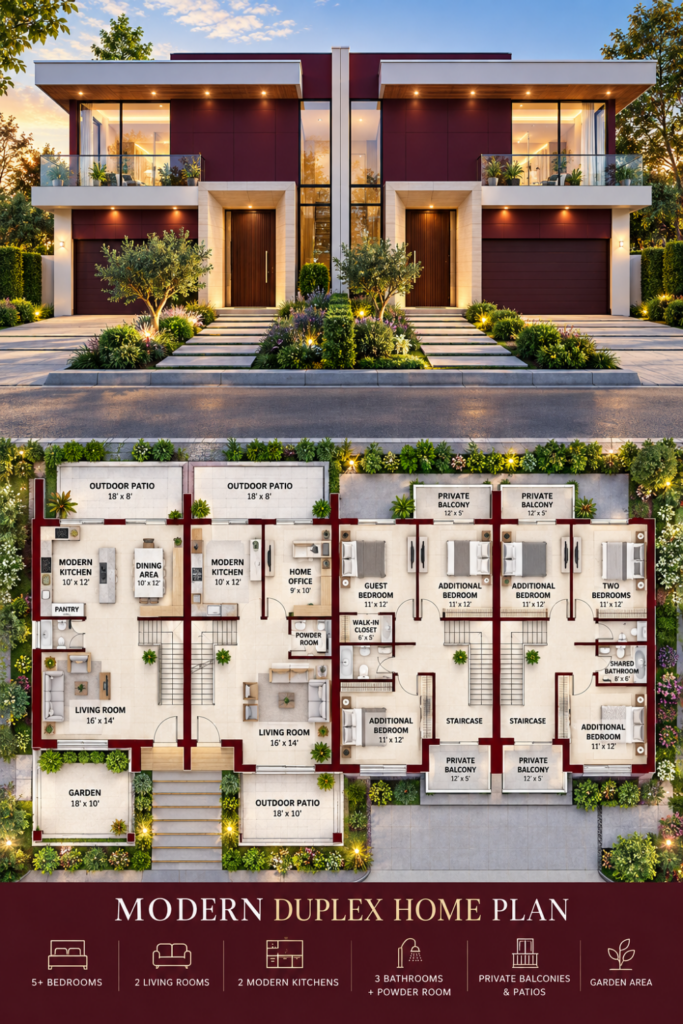
The concept is straightforward. A buyer skips the older, established home and commits to a brand-new property before construction finishes. In the strategist’s telling, aging homes frequently eat into savings through repair bills no one anticipated, while a new build offers concrete financial and lifestyle advantages. He organizes the case around four areas: affordability, government support, resilience in an unsteady market, and design meant for the future.
He begins with affordability, which he describes as the biggest obstacle for entry-level buyers. Established dwellings often carry inflated price tags because demand for them is Immediate, and that leaves buyers with little negotiating room. Off-the-plan follows a different logic. Developers commonly price units competitively to win early sales and keep a project moving, so a buyer can lock in today’s price while the broader market keeps swinging.
The payment schedule differs as well. Nobody has to hand over the entire purchase price or a massive lump sum up front. A modest initial deposit, often around 10%, is typical, and the remaining balance waits until construction is fully complete. That interval acts as a runway. It gives the buyer months, even years, to keep saving, trim spending, and strengthen a financial profile, with no mortgage repayments pulling at the budget meanwhile. For many young professionals and families, the strategist says, this breathing space turns homeownership from an Impossible dream into an achievable reality.
Government assistance forms the second layer. Programs exist to help first-time buyers cross into the market, and although the regulatory landscape changes often, vital support systems remain active. He picks out the government-backed First Home Loan initiative as one of the most Impactful. Traditional bank lending routinely requires a hefty 20% deposit, a sum that can take years, if not a decade, of aggressive saving. Specialized low-deposit frameworks cut that requirement sharply, sometimes to as little as 5%.
Pair that low deposit with an off-the-plan purchase, he says, and the benefit multiplies. The buyer secures a future home at today’s fixed valuation while committing only a fraction of the capital at the outset. The time needed to get a foot on the property ladder shrinks dramatically, and the buyer is shielded from the relentless cycle of rising rents and property price inflation.
Next comes uncertainty, which he calls an inherent trait of any property cycle. Market corrections, interest rate adjustments, and economic sluggishness often make buyers hesitant to commit capital. He argues, though, that this is exactly the environment in which off-the-plan shows exceptional resilience. The contract fixes the purchase price on day one, while settlement does not occur until construction ends, frequently 12 to 24 months down the track. Market dynamics keep evolving throughout that window.
Two outcomes are possible. If property values climb during construction, the asset may already have gained equity before the buyer collects the keys. If the market stagnates temporarily, the locked-in contract price keeps the buyer from paying an inflated peak price. In the strategist’s view, this built-in buffer safeguards the investment and delivers a level of long-term financial security that traditional instant-settlement purchases cannot replicate.
Money, however, is only part of the picture. Homeownership is deeply personal, and today’s buyers expect more from a living space than earlier generations did. They want energy efficiency, smart-home integration, aesthetic minimalism, and low-maintenance upkeep. Developers of modern off-the-plan projects understand these preferences closely. New build developments therefore feature cutting-edge architectural designs, double-glazing, high-grade insulation, solar power provisions, and sustainable building materials. Beyond Improving everyday quality of life, these features significantly reduce ongoing utility and maintenance costs.
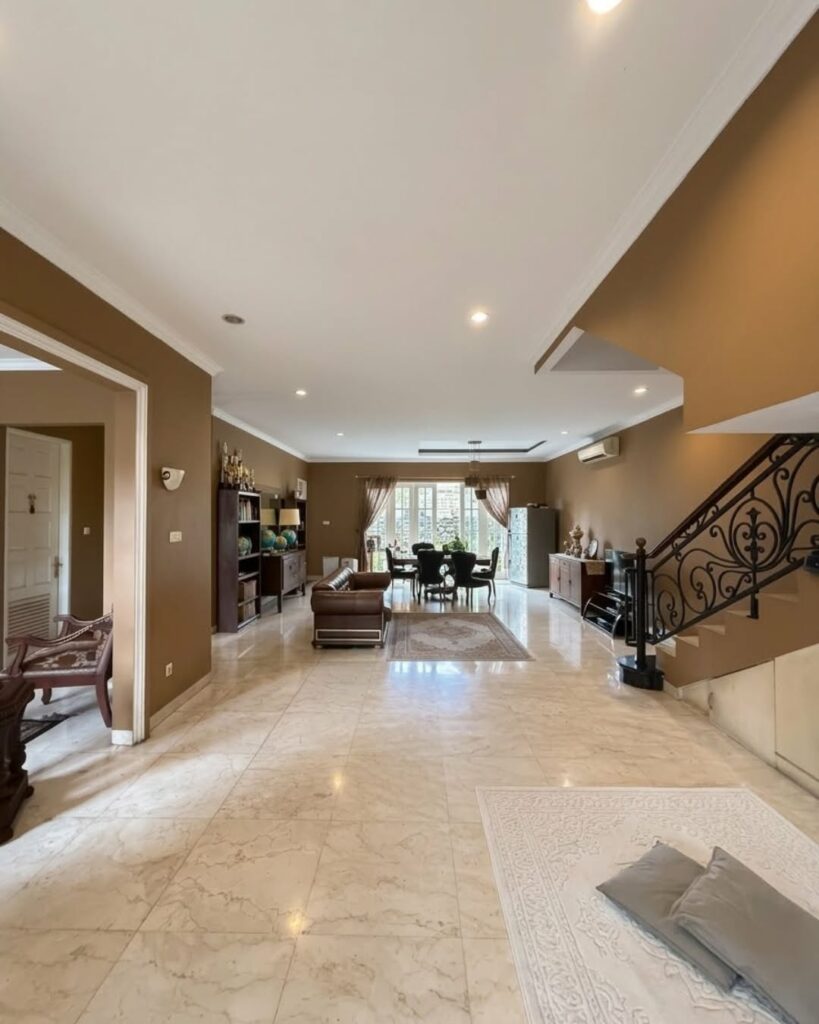
An older established property, by contrast, often leads to expensive Immediate renovations, unexpected plumbing failures, and costly structural upgrades. A home bought off-the-plan complies with the latest building codes and comes with comprehensive developer warranties. It also stays highly desirable to future buyers or tenants if the owner’s lifestyle needs change down the track.
The strategist concedes that entering the market for the first time is undeniably intimidating, yet he insists the right strategy changes everything. Strategic financial planning, low-deposit lending options, market resilience, and modern architectural efficiency, taken together, form a clear, structured pathway to long-term wealth creation and housing stability, he says. For anyone ready to stop renting and fast-track the journey to homeownership, he recommends booking a personalized strategy consultation with his property advisory team, and he distills his message into one line: your future home is closer than you think.
The argument comes down to four things: a smaller upfront deposit, a price fixed today, a long runway before settlement, and a home built to current standards. Together they offer first-time buyers a way toward ownership that does not depend on the market becoming easy first.
If this report was useful to you, subscribe to the channel so the next one finds you right away. Hit the like button if the video helped, and switch on the notification bell so the latest news reaches your feed the moment it breaks.”