A first-time buyer today faces rising interest rates, tight lending standards, and climbing property prices all at once.
A property strategist with ten years of experience and hundreds of buyers behind him has watched that pressure build firsthand. In his assessment, one approach has risen above the rest for people trying to get a first foothold in the market: buying off-the-plan, meaning purchasing a new property before construction is finished.
The alternative, in his view, is often an older established home. Those properties tend to carry hidden repair bills that quietly eat into a buyer’s savings. A brand-new home secured ahead of completion offers financial and lifestyle benefits that an aging house usually cannot. Those benefits fall into four areas: affordability, government support, resilience against market swings, and design built for the future.
Start with the biggest obstacle, which is affordability. For entry-level buyers, it is the barrier named above all others. Established homes in traditional markets often carry inflated prices because demand for them is Immediate, and that leaves a buyer very little room to maneuver. Off-the-plan purchases ease the squeeze in several ways. Developers commonly price their units competitively at the outset, since they need early sales to build momentum and fund the project. A buyer can therefore lock in a price now, even as the wider market keeps moving up and down.
The payment structure is different, too. A buyer does not have to produce the full purchase amount or a large lump sum right away. The standard arrangement asks for a modest initial deposit, often about 10%, and the remaining balance is not due until construction reaches final completion. That gap works like a runway. Over the months or even years of construction, a buyer can keep saving, tighten the household budget, and Improve their financial profile, all without mortgage repayments pressing in from day one. For many young professionals and families, the strategist argues, that breathing room is what turns homeownership from an Impossible dream into a realistic goal.
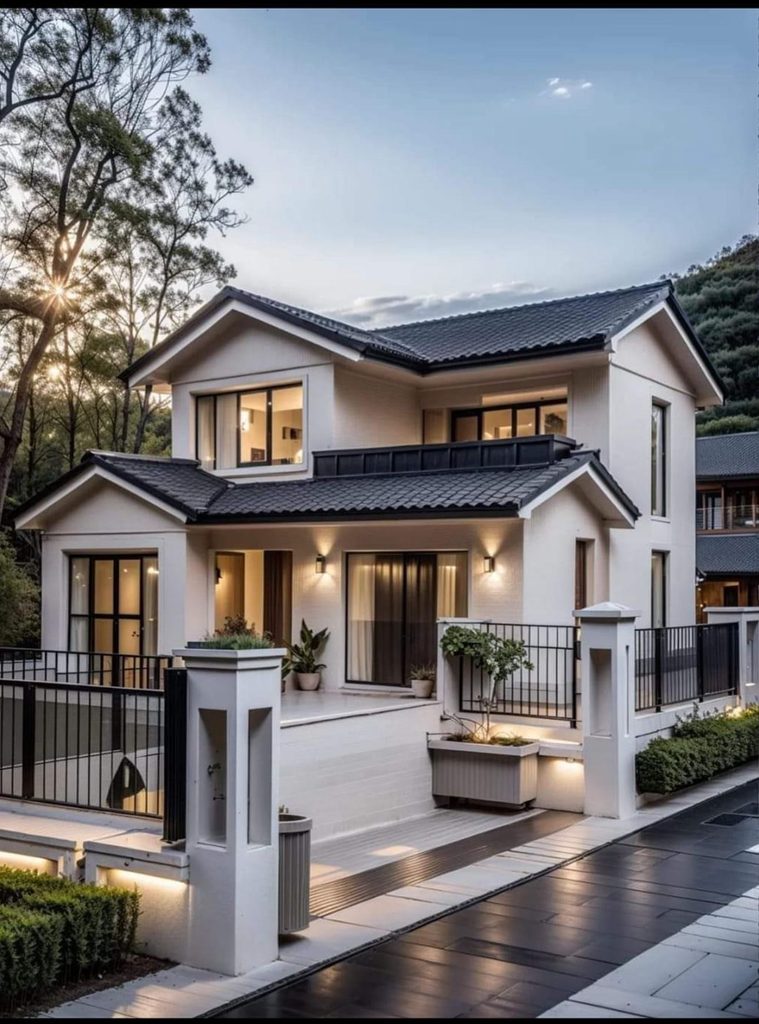
Government assistance adds another layer. Programs exist to close the gap for first-time buyers, and although the regulatory landscape shifts often, key support systems remain active and help newcomers get around the usual obstacles to owning a home. One of the most significant is the government-backed First Home Loan initiative. Banks routinely ask for a hefty 20% deposit, an amount that can take years, even a decade, of aggressive saving to build. Specialized low-deposit frameworks cut that requirement sharply, in some cases to as little as 5%.
Combine a low-deposit scheme with an off-the-plan purchase, and the effect is multiplied. The buyer secures a future home at today’s fixed valuation while putting up only a fraction of the capital at the start. The time needed to reach the first rung of the property ladder shrinks considerably. It also shields the buyer from two ongoing pressures: rents that keep rising and property prices that keep inflating.
Then there is the question of uncertainty, which is built into every property cycle. Market corrections, interest rate adjustments, and sluggish economic conditions often make buyers reluctant to commit their money. Yet the strategist points out a paradox here. This is exactly the kind of environment in which an off-the-plan purchase shows its resilience.
The mechanics explain why. When a buyer signs an off-the-plan contract, the purchase price is fixed on the first day. Settlement, however, does not take place until construction ends, frequently 12 to 24 months later. Throughout that construction window, the market keeps changing. If property values climb in the meantime, the buyer’s asset may already have gained equity before the keys are handed over. If the market stalls for a while instead, the locked-in contract price keeps the buyer from paying an inflated peak price. This built-in buffer protects the investment and delivers a degree of long-term financial security that a traditional purchase with instant settlement cannot match.
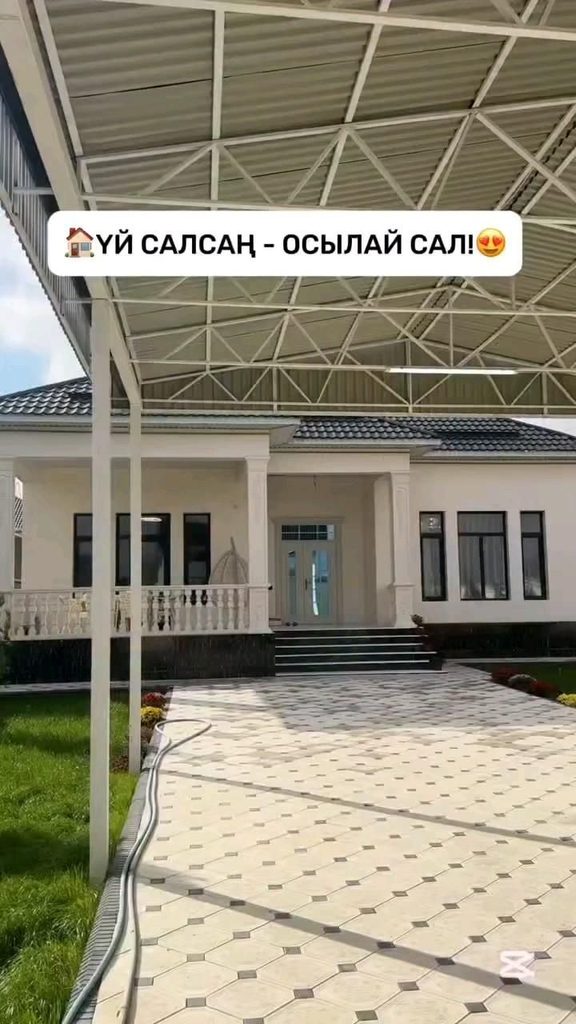
Money is only part of the picture, because owning a home is a deeply personal matter. Today’s buyers expect more from their living spaces than earlier generations did. They want energy efficiency, smart-home integration, minimalist aesthetics, and low-maintenance upkeep. Developers of modern off-the-plan projects understand those shifting preferences well. As a result, new developments incorporate cutting-edge architectural design, double-glazing, high-grade insulation, solar power provisions, and sustainable building materials. These features lift the quality of daily life, and they also cut ongoing utility and maintenance costs significantly.
An older established property can bring a very different set of experiences. Buyers often face expensive renovations right after moving in, unexpected plumbing failures, and costly structural upgrades. A home bought off-the-plan avoids those problems. It meets the latest building codes and comes with comprehensive developer warranties. It also stays highly desirable to future buyers or tenants if the owner’s lifestyle needs change down the track.
Stepping into the property market for the first time is undeniably intimidating, but the strategist maintains that choosing the right strategy changes everything. Strategic financial planning, low-deposit lending options, resilience against market swings, and the efficiency of modern architecture together form a clear and structured pathway. That pathway leads toward long-term wealth creation and stable housing.
To close, the case rests on four points. A small upfront deposit and a long settlement window ease the cost of entry. Low-deposit government-backed lending shortens the road to ownership. A price fixed on day one offers protection while the market moves. And a new build brings modern design, current building standards, and developer warranties. Each point speaks to a different pressure on first-time buyers, and together they show why this path deserves a serious look.
If you found this breakdown useful, hit the subscribe button so you can follow more of our coverage. Give the video a like to help it reach other people weighing the same decision. And turn on the notification bell, so the latest updates land in your feed the moment they are published.”