
Navigating the Modern American Housing Market: Why Homes Are Expensive and Hard to Find
Having spent the last decade in the trenches of real estate development and home construction, I have watched the American housing landscape shift dramatically. From fluctuating interest rate cycles to severe inventory crunches, prospective buyers and seasoned property owners alike are facing unprecedented challenges. If you are trying to break into the market or upgrade your current living situation, you already know the reality: finding affordable housing has become an uphill battle.
To truly understand why the modern housing market looks the way it does, we have to look past the surface headlines and examine the deep economic, demographic, and structural forces at play.
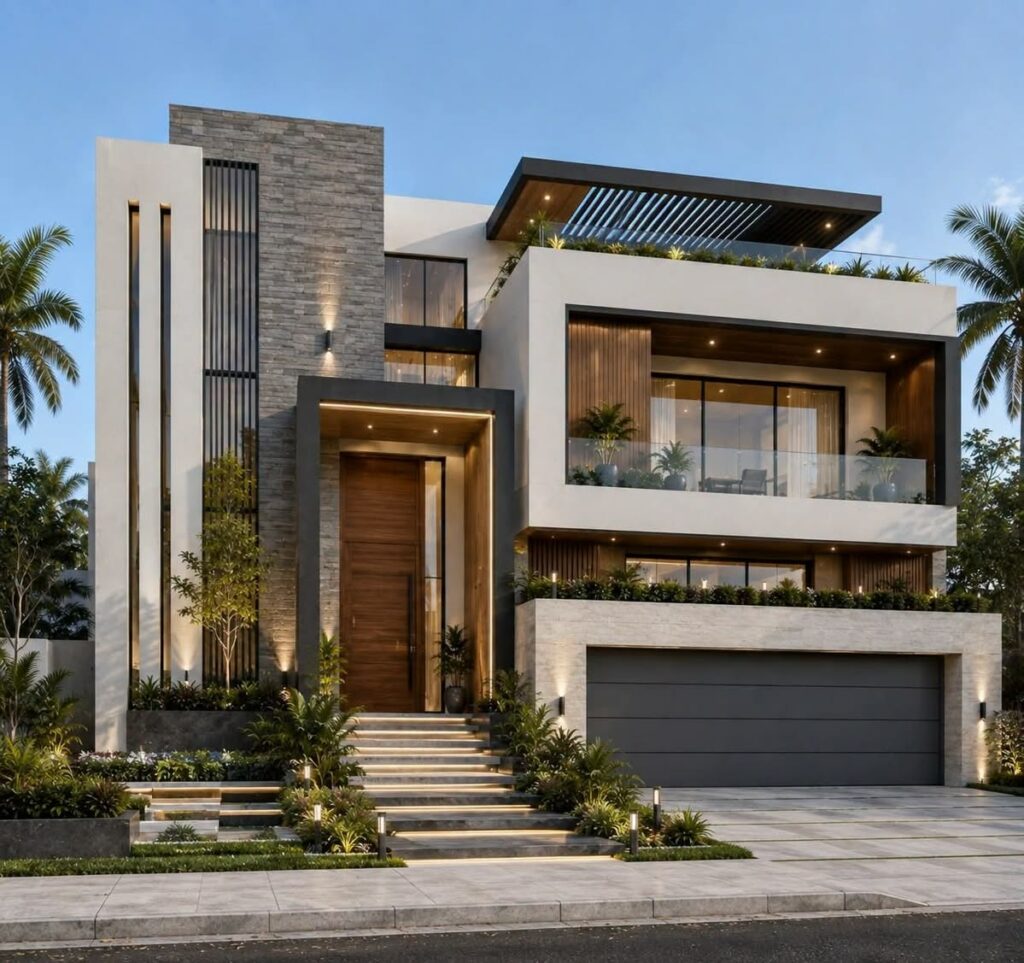
The Great Disparity: Extreme Peaks and Regional Realities
When evaluating the market, the sheer divergence in pricing across the country is staggering. On one end of the spectrum, luxury enclaves like Atherton, California, boast median home listing prices touching nearly $8 million. On the other end, states like West Virginia offer median home prices hovering around $140,000, creating a massive economic divide.
Interestingly, this price disparity directly impacts homeownership rates. While national homeownership hovers above 65%, West Virginia boasts one of the highest ownership rates in the U.S. at nearly 75%. California, weighed down by astronomical valuations and high development costs, sits closer to 55%.
For generations, real estate has served as the bedrock of wealth accumulation in the United States. Over a quarter of all residential properties in the country are valued above half a million dollars, representing a substantial portion of homeowner equity. Yet, the path to building that equity has grown narrower for younger demographics.
The Inventory Shortage and Square Footage Realities
The root cause of today’s affordability crisis is a fundamental mismatch between supply and demand. The United States contains nearly 150 million homes, with over 130 million of those currently occupied. Years ago, organizations like the National Association of Home Builders warned that population growth and an aging housing stock would inevitably trigger a major housing shortage.
Today, that shortfall is estimated at nearly 6 million homes nationwide, with California leading the deficit at approximately 2 million units and New York trailing close behind with a deficit of nearly 1 million homes.
Even where homes are being built, the specifications often miss the mark. Nationally, the median square footage of a home sits around 1,800 square feet. However, regional variances are significant. In Michigan, for instance, a national leader in housing tenure where occupants frequently stay in their dwellings for decades, the median square footage exceeds 2,000 square feet, and the median home price hovers around $250,000—up roughly 4% from last year.
Newly constructed homes nationwide tend to skew larger, often exceeding 2,500 square feet, which does little to satisfy the immediate demand for entry-level, cost-effective starter homes. Meanwhile, hyper-local markets tell completely different stories; areas like Fort Lauderdale, Florida, have experienced overbuilding in certain luxury segments, with a median home price exceeding $500,000 and a high percentage of properties selling below their initial listing price. Solving this crisis requires targeted construction of affordable housing tailored to the demographics actively trying to buy.
Shifting Demographics, Interest Rates, and the “Stay Put” Phenomenon
Several unique cultural and economic shifts have compounded the inventory freeze:
The Lock-In Effect: Following the economic turbulence surrounding the global pandemic, a large segment of the workforce gained remote work flexibility. At the same time, subsequent spikes in interest rates created a golden handcuff effect. Many homeowners locked into favorable 30-year fixed mortgage rates chose to stay put rather than trade up and risk taking on significantly higher monthly payments.
Aging in Place: For decades, conventional wisdom suggested retirees would inevitably flock to warmer southern climates for their golden years. However, many older adults realized that relocating meant leaving behind crucial life anchors—trusted physicians, long-standing community ties, local coffee spots, and nearby family.
Home Remodeling Over Relocation: Recognizing the value of their existing networks, older U.S. adults are increasingly choosing to invest in their current properties. By executing thoughtful home renovations and modifications, homeowners are making their spaces safer and more functional for aging in place, proving that improving a current home often makes better financial sense than buying new.
The Generational Divide in Homeownership
While overall homeownership rates remain steady in the mid-to-high 60% range, a stark age disparity persists. Nearly 80% of adults over the age of 65 own their homes, but that figure plummets to under 40% for young adults under the age of 35.
Lower fixed-rate mortgage options will undoubtedly help ease this transition, but financial products alone cannot fix a structural inventory deficit. Land availability, zoning laws, strict local regulations, and high development costs continue to conspire against millennials eager to enter the market.

Moving Forward: Building a Sustainable Housing Future
Overcoming the challenges of today’s real estate market requires a collaborative approach. Industry professionals, municipal leaders, and builders must work together to maintain our existing housing stock while aggressively expanding the inventory of attainable homes.
Whether you are looking to purchase your first property, refinance an existing mortgage, or invest in home improvements to stay in your neighborhood long-term, having the right guidance is essential. If you are ready to evaluate your options in today’s housing market and want professional insight tailored to your financial goals, reach out to connect with a qualified industry expert today and take your next confident step toward long-term stability.