
Navigating the U.S. Housing Market: Why Home Prices Will Crawl Higher Amid 6% Mortgage Rates
Over the past decade working as a real estate strategist and housing market analyst, I have rarely seen a macroeconomic environment as tightly coiled and paradoxical as the one we are navigating today. If you are a prospective homebuyer, a real estate investor, or an industry professional trying to decipher where the U.S. housing market is heading, the latest data paints a picture of prolonged sluggishness rather than a dramatic crash or a sudden boom.
According to recent housing market forecasts and analyst consensus polls, U.S. home prices are projected to crawl upward at a modest pace throughout this year and into next. With 30-year fixed mortgage rates stubbornly hovering near 6%, affordability constraints and persistent structural inventory shortages continue to dictate the rhythm of American real estate.
The Current State of U.S. Home Prices and Mortgage Rates
To understand why the market feels stuck in neutral, we have to look closely at the numbers. Industry analysts expect national home prices to increase by roughly 1.8% this year, followed by a slight uptick to 2.5% in the subsequent year. To put these figures into perspective, they fall well below key inflation benchmarks tracked by the U.S. central bank, signaling a period of real-term price stabilization or stagnation rather than runaway appreciation.
The S&P CoreLogic Case-Shiller 20-City Composite Home Price Index reveals a staggering reality: average residential property values have surged by more than 50% since the onset of the COVID-19 pandemic. However, after that historic meteoric rise, prices climbed a mere 1.4% over the course of last year—marking the weakest annual performance the market has witnessed in 14 years.
This deceleration is not accidental. It is the direct result of a dual-sided squeeze: battered purchasing power on the demand side and an acute lack of affordable housing inventory on the supply side.
Why the Federal Reserve’s Stance Keeps 30-Year Mortgage Rates Elevated

One of the most frequent questions I receive from investors and buyers is: When will borrowing costs drop significantly?
Unfortunately, the immediate horizon does not offer much relief. The Federal Reserve is increasingly inclined to maintain its current interest rate posture for a longer duration. Policymakers remain deeply uncomfortable with persistent inflation levels, which were already running hotter than desired before geopolitical tensions and energy market shocks—such as the recent conflicts in the Middle East—pushed benchmark U.S. Treasury bond yields higher and drove oil prices upward by roughly 50%.
Because mortgage rates are heavily influenced by long-term yields like the 10-year Treasury, these macro pressures have kept the average 30-year fixed mortgage rate pinned near 6.2%. For everyday buyers attempting to secure mortgage financing or refinance existing debt, this creates a formidable financial barrier.
The Lock-In Effect: Why Existing Homeowners Are Refusing to Sell
A unique phenomenon defining the current real estate cycle is the “lock-in effect.” Millions of American homeowners secured historically low interest rates—some dipping below 3%, or less than half of today’s average 6.2% benchmark—during the pandemic-era refinancing boom.
As a result, these homeowners have virtually zero financial incentive to sell their properties. Listing their homes would mean stepping out of an ultra-low mortgage rate and into a new loan at double the interest rate, drastically increasing their monthly housing payments for an equivalent or even smaller home.
This behavioral gridlock has starved the resale market of inventory. Buyers searching for starter homes or mid-tier properties find themselves competing for a severely limited pool of available listings, keeping upward pressure on prices even as demand weakens.
The Limits of Policy and New Construction Constraints
Hopes that federal policy interventions or aggressive regulatory overhauls could swiftly revitalize the housing market through cheaper mortgages have run into macroeconomic roadblocks. While administration goals frequently emphasize boosting housing affordability and expanding construction, the reality on the ground is far more complex.
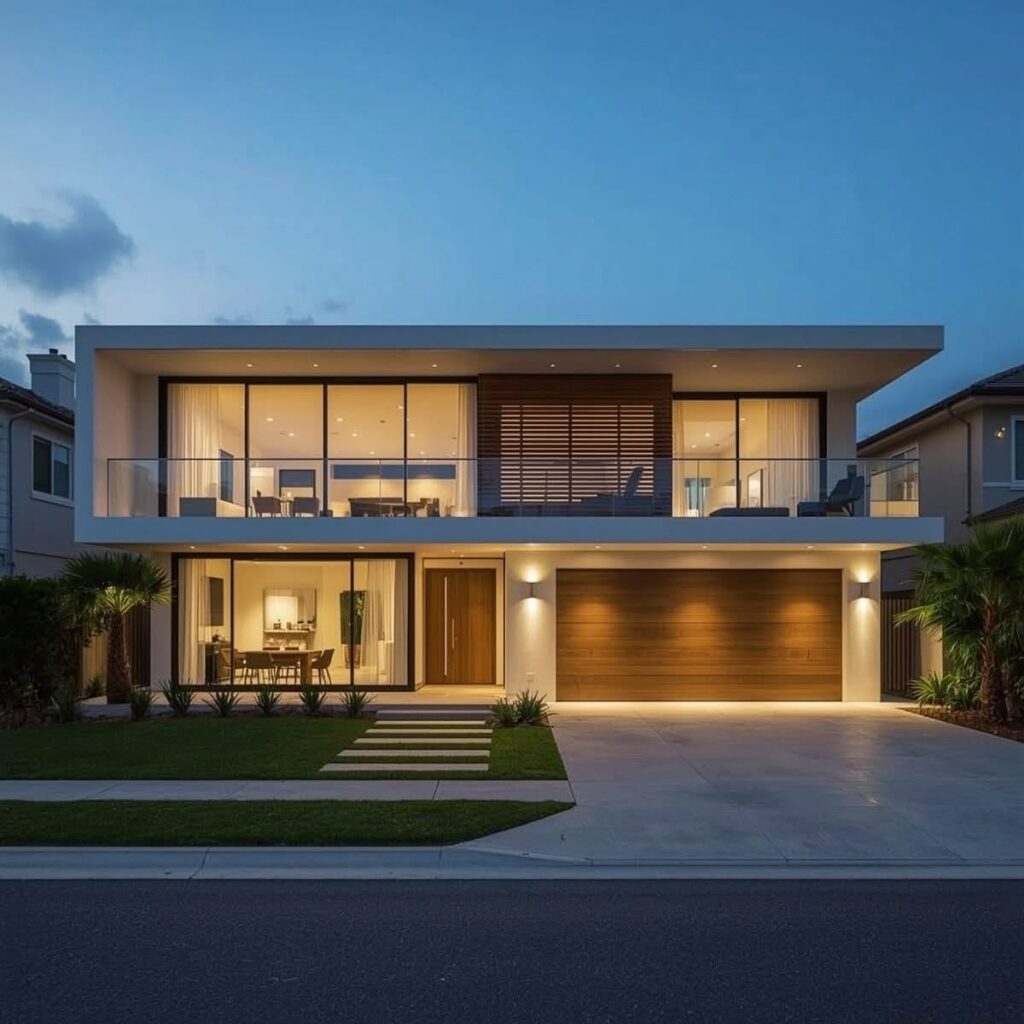
New home construction, particularly in high-demand states like California and Texas, faces ongoing hurdles ranging from municipal zoning restrictions and labor shortages to elevated material and financing costs for developers. While regional builders continue to break ground on master-planned communities, the sheer volume of construction falls drastically short of closing a generational housing deficit that has built up over more than a decade.
Strategic Outlook for Buyers, Sellers, and Investors
For those trying to make strategic moves in this environment, patience and precision are paramount.
For Homebuyers: Expect fierce competition in well-priced, entry-level brackets. Since broad price declines are unlikely on a national scale, focus your strategy on long-term affordability, local market micro-trends, and creative financing structures rather than waiting for a market crash that the supply-demand fundamentals simply do not support.
For Sellers: If you must sell, pricing accuracy is everything. Properties that are priced competitively continue to move quickly due to the low inventory environment, but overpriced homes are sitting on the market much longer.
For Real Estate Investors: Opportunities lie in identifying mispriced assets, multi-family housing plays, and markets experiencing strong demographic job growth where local supply constraints are less severe.
The U.S. housing market is navigating a prolonged transitional phase. As long as mortgage rates remain anchored near 6% and inventory stays constrained, expect a market defined by resilience rather than rapid appreciation.
To explore how these macroeconomic trends impact your local market or to discuss tailored strategies for your next real estate move, reach out today and let’s map out your next steps.