
Navigating the U.S. Real Estate Market: Why Home Prices Will Crawl Higher Amid 6% Mortgage Rates
Over the past decade working as a real estate strategist and economic analyst, I have rarely seen a housing cycle as uniquely deadlocked as the one we are navigating right now. If you are sitting on the sidelines trying to time the American housing market, the latest economic data and industry consensus point to a prolonged period of modest growth rather than a dramatic crash or a sudden boom.
According to recent housing market forecasts and analyst polling, U.S. home prices are projected to crawl higher rather than surge, constrained primarily by persistent 30-year fixed mortgage rates hovering near 6%. For prospective buyers, real estate investors, and industry professionals alike, understanding this macroeconomic environment is critical for making informed financial decisions.
The Current Landscape: Slow Growth and Affordability Pressures
The broader U.S. economy is currently experiencing a cooling phase, and the residential real estate sector is certainly no exception. Rather than acting as a traditional economic engine that pulls the country out of broader slowness, housing is locked in a holding pattern.
Home price appreciation is forecasted to rise by a modest 1.8% this year, followed by a slight uptick to 2.5% in the coming year. To put these figures into perspective, they remain notably subdued compared to historical averages and sit below key inflation gauges monitored by the Federal Reserve. The Personal Consumption Expenditures (PCE) price index, a primary inflation benchmark for the central bank, has continued to run above the standard 2% target, complicating monetary policy decisions.
Furthermore, when examining long-term benchmarks like the S&P CoreLogic Case-Shiller 20-City Composite Home Price Index, average home values have surged by more than 50% since the onset of the COVID-19 pandemic. However, the velocity of that growth has slowed dramatically, registering some of the weakest annual performances seen in over a decade as purchasing power runs into a brick wall.
Why 6% Mortgage Rates Are Stalling Market Momentum
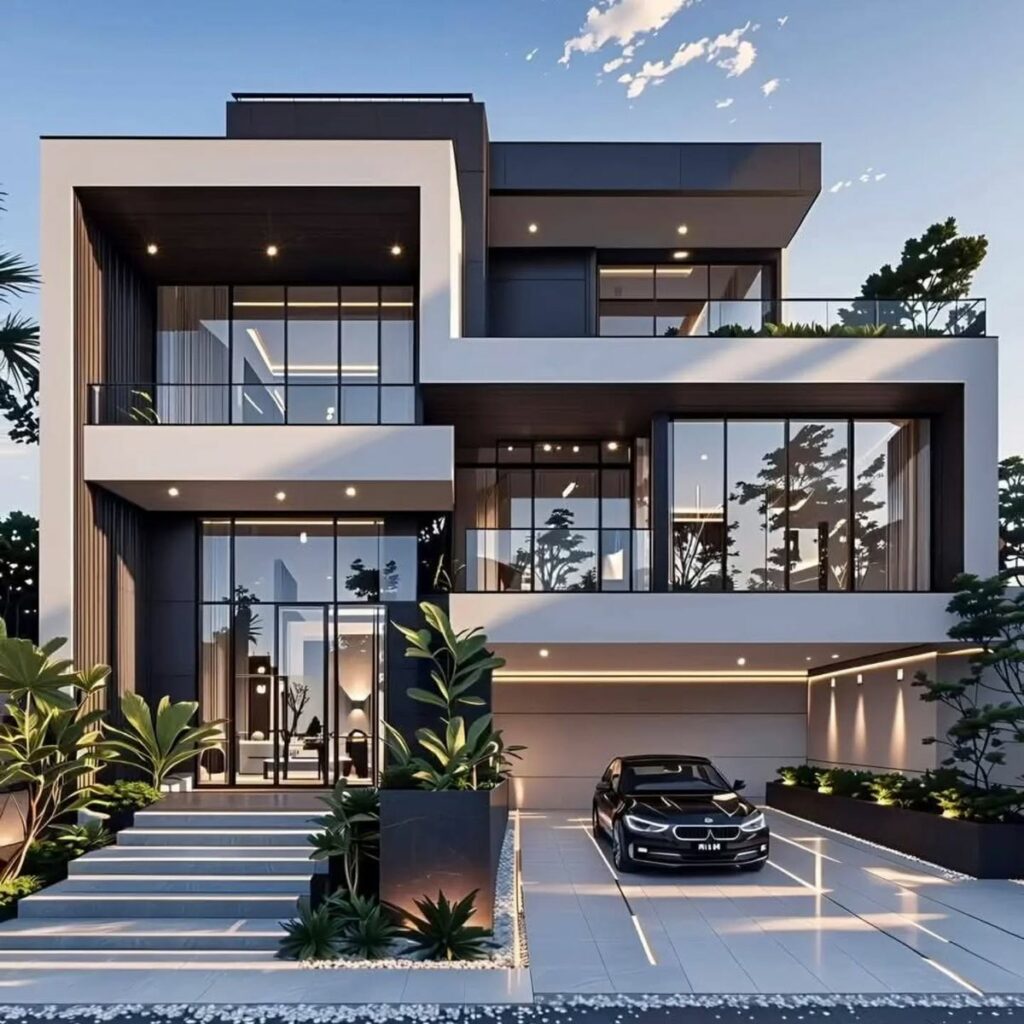
One of the most defining characteristics of today’s real estate ecosystem is the anchoring effect of mortgage rates. With the average 30-year fixed mortgage rate sticking firmly around 6.2%, borrowing costs remain double what many current homeowners secured during the pandemic era.
This dynamic has created a severe supply-side bottleneck known among economists as the “lock-in effect.” Millions of homeowners locked in ultra-low mortgage rates below 3% or 4% years ago. For these property owners, selling their current home and purchasing a new property means voluntarily trading a sub-4% rate for a 6% benchmark—a move that significantly increases monthly debt service obligations without necessarily upgrading their living situation.
Consequently, existing inventory remains remarkably tight. Sellers are reluctant to list their properties unless driven by absolute life necessity—such as job relocation, marriage, or estate transitions. This inventory scarcity has cushioned home values, preventing any sharp price corrections, while simultaneously pricing out a vast segment of first-time homebuyers.
Macroeconomic Headwinds: Inflation and Global Pressures
The path forward for mortgage rates and home values is inextricably linked to broader macroeconomic currents. The Federal Reserve faces a delicate balancing act. Persistent inflation pressures, compounded by geopolitical tensions and energy market fluctuations, have made central bankers increasingly cautious about cutting benchmark interest rates too quickly.
While there have been political aspirations and policy discussions aimed at revitalizing the housing sector through aggressive monetary easing and cheaper mortgage products, the near-term reality is different. The Fed is widely expected to keep interest rates higher for longer to ensure inflation is sustainably anchored. As a result, benchmark U.S. Treasury yields remain elevated, putting a structural floor underneath mortgage rates and keeping them anchored near the 6% threshold.
Supply Deficits and the New Construction Challenge

If existing homeowners are staying put, the burden of supplying shelter falls heavily onto new residential construction. Unfortunately, homebuilders face their own set of headwinds, including elevated material costs, regulatory hurdles, and localized labor constraints.
While major metropolitan areas in states like California, Texas, and Florida continue to see active development, construction activity has been uneven. Weather disruptions, supply chain frictions, and cautious capital allocation by large developers mean that the inventory gap will not close overnight. Industry experts agree that the structural shortage of affordable housing units in the United States will persist for several years, providing a natural baseline defense for property values even in a high-rate environment.
Strategic Outlook for Buyers, Sellers, and Investors
For those trying to navigate this complex market environment, patience and strategic planning are paramount.
For Buyers: Waiting for mortgage rates to return to pandemic-era lows of 3% is an unrealistic strategy. Instead, buyers should focus on local market fundamentals, explore creative financing structures such as adjustable-rate mortgages (ARMs) with favorable initial terms, or consider properties with assumable mortgage potential where available.
For Sellers: Because inventory remains constrained in many desirable neighborhoods, well-maintained and realistically priced homes still command strong buyer interest. However, overpricing a property in a 6% mortgage environment will quickly result in extended days on market and forced price reductions.
For Real Estate Investors: Focus should shift away from speculative appreciation and toward cash-flow generation, value-add renovations, and markets with strong job growth and favorable demographic tailwinds.
Ultimately, the U.S. housing market is undergoing a painful but necessary normalization process. While affordability pressures will continue to challenge market participants through 2026 and into 2027, the underlying demand for shelter remains robust.
Are you looking to optimize your real estate portfolio or evaluate buying opportunities in this shifting rate environment? Let us connect to discuss a tailored financial strategy that aligns with your long-term goals.