
Navigating the German Housing Market: Why Home Prices Will Climb 3% Annually Through 2028
Over my past decade analyzing European real estate markets, I have rarely seen a sector as resilient yet deeply constrained as Germany’s residential property landscape. Following the sharpest market correction in decades, Europe’s economic powerhouse has bounced back significantly, with residential values climbing nearly 6% from their early 2024 lows. However, this recovery brings a complex challenge. Based on recent consensus polls from leading property analysts, German residential values are projected to climb by roughly 3% each year through 2028. For first-time homebuyers and renters alike, this trajectory signals persistent affordability hurdles, compounding structural supply shortages that continue to reshape the nation’s property investment and mortgage sectors.
The Post-Slump Recovery and Economic Realities

The rebound of the German property market has surprised many industry skeptics. After enduring a multi-year downturn driven by surging inflation and rapid interest rate hikes, market sentiment has stabilized. Building permits—widely regarded as a leading indicator for upcoming construction activity—ticked upward in 2025 for the first time in four years. This uptick points toward a sustained, albeit cautious, recovery across major metropolitan centers like Berlin, Munich, Frankfurt, and Hamburg.
Yet, underlying economic headwinds temper this optimism. While the European Central Bank is expected to maintain steady euro zone interest rates for the remainder of the year following previous monetary easing, global geopolitical tensions and potential inflationary spikes introduce new variables. Real estate investors and prospective buyers must navigate an environment characterized by modest wage growth, rising unemployment concerns, and domestic policy shifts.
Market sentiment from macroeconomic experts underscores this delicate balance. As Carsten Brzeski, global head of macroeconomics at ING, notes, the ongoing recovery remains inherently fragile. Consumers remain cautious due to geopolitical uncertainties and slowing wage dynamics, meaning that affordability will stay a pressing issue. Consequently, market analysts project that the average age of first-time homebuyers will continue to drift upward as securing a mortgage requires larger capital reserves.
Persistent Supply Shortages and the Housing Gap
At the heart of Germany’s ongoing affordability crisis lies a profound structural deficit: a severe housing shortage. Despite rising demand across urban hubs, new residential development continues to lag far behind demographic needs.
Industry reports project that just over 200,000 new residential units will be completed this year. This figure falls drastically short of the target outlined in previous studies commissioned by the German housing ministry, which estimated that approximately 320,000 new homes must be constructed annually through 2030 to satisfy baseline demand.
This widening supply-demand gap exerts continuous upward pressure on both property values and rental markets. In key metropolitan regions, apartment vacancy rates have plummeted below 1%, while completion rates in larger cities linger at roughly 50% of what is actually required. Industry experts like Benedikt Horwedel at LBBW point out that a meaningful normalization of the market is unlikely for several years, ensuring that real estate assets remain a high-value, albeit high-barrier, investment class.
Rent Pressures and Urban Realities
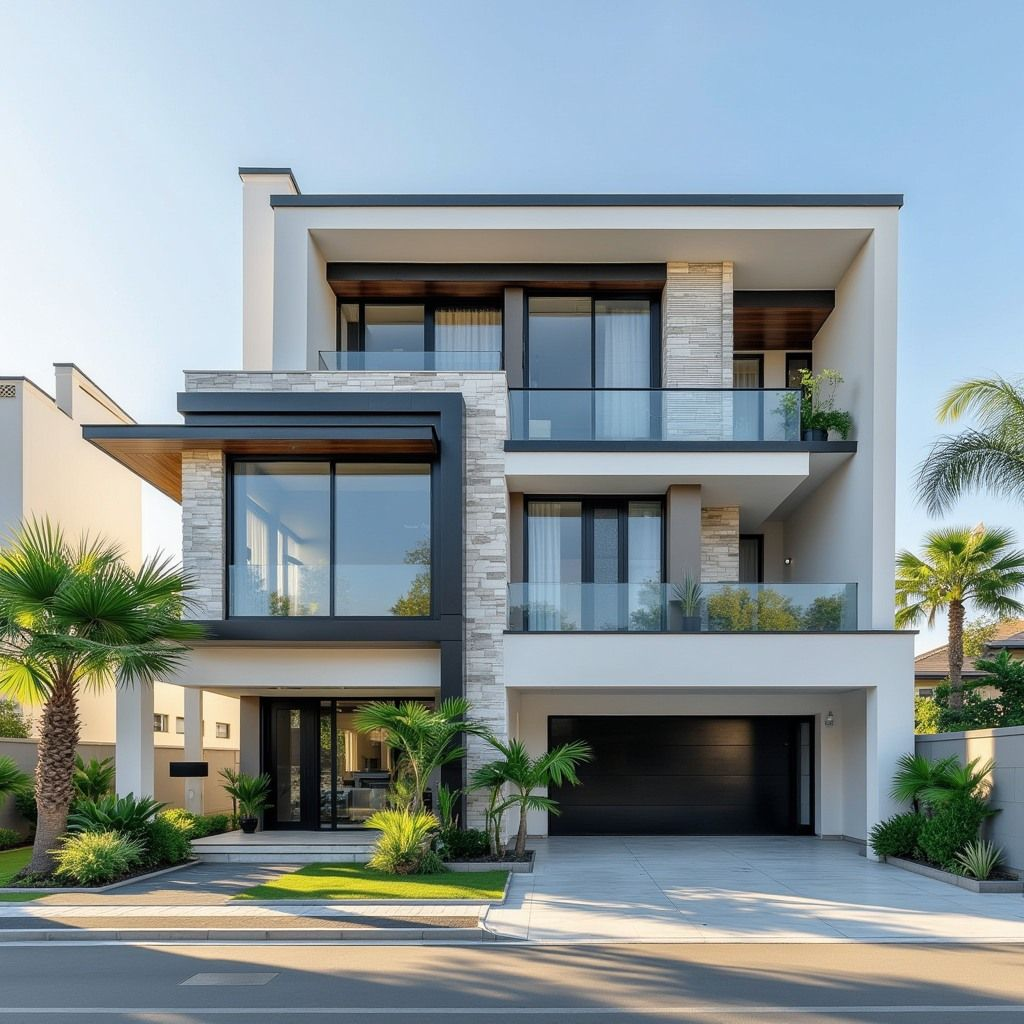
While homeownership is becoming increasingly out of reach for average wage earners, the rental market offers little relief. Average urban residential rents are forecasted to increase between 3.0% and 4.5% over the coming year, frequently outpacing the appreciation rate of home prices.
For tenants in high-demand economic centers, this means a greater portion of household income will be allocated toward monthly housing expenses. The combination of stagnant construction output, stringent zoning laws, and elevated financing costs means that private landlords and institutional real estate funds will retain strong pricing power.
Strategic Outlook for Buyers and Investors
For prospective buyers, real estate investors, and industry stakeholders navigating this landscape, strategic planning is paramount. Whether you are evaluating residential mortgage options, exploring buy-to-let investments, or seeking to enter the German property market before 2028, understanding these macroeconomic trends is essential for mitigating risk and maximizing long-term yields.
If you are looking to analyze your financing options or explore strategic property investment opportunities in this evolving market, reach out today to connect with our advisory team and take the next step toward securing your real estate goals.