
The Anatomy of the Housing Market Shortage: Why the American Dream is Being Repriced
After spending more than a decade navigating the complexities of residential real estate, property development, and real estate investment, I have watched the American housing landscape undergo a fundamental transformation. For years, the industry operated on predictable cycles of boom, stabilization, and occasional correction. Today, however, we are facing an unprecedented paradigm. The ongoing housing market shortage has completely rewired how Americans buy, sell, and perceive real estate. Homeownership—long considered the baseline of the American Dream and the primary vehicle for generational wealth accumulation—is increasingly slipping out of reach for a vast demographic, squeezed by soaring property values and persistently high interest rates.
To truly understand the depth of this housing market shortage, we cannot just look at national averages. The United States real estate sector is not a single monolith; it is a hyper-localized collection of micro-economies. Take Atherton, California, for example. As the most expensive residential zip code in the country, the Atherton luxury real estate market boasts a staggering median home listing price of nearly $8 million. This enclave of Silicon Valley wealth represents the absolute ceiling of property valuation. But if we pivot and look at the West Virginia affordable homes sector, the median home price hovers around a highly accessible $140,000.
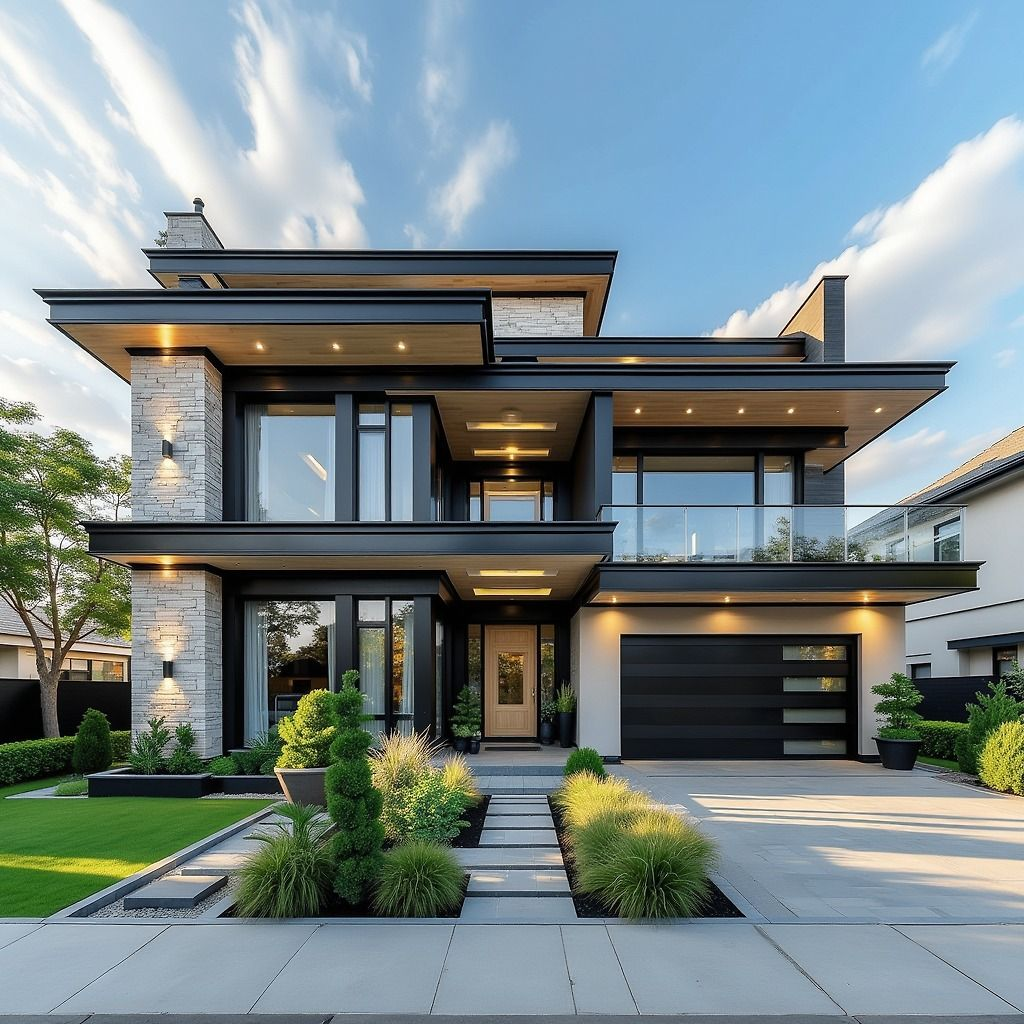
These incredible geographical disparities reveal a fascinating contradiction at the heart of our housing market shortage. Despite the immense wealth in California, homeownership in the Golden State sits at a relatively low 55%. Meanwhile, West Virginia boasts the highest homeownership rate in the nation at nearly 75%. Why? Because affordability dictates tenure. When local search intent keywords like “affordable homes in West Virginia” yield actual, livable results for working-class families, ownership thrives. Conversely, when “California real estate listings” only surface multi-million-dollar properties, the working class is forced into perpetual renting, driving up demand for property management services and multi-family real estate investment portfolios.
For over a century, homeownership has been the cornerstone of wealth accumulation in the United States. Today, more than 25% of all residential properties in America are valued above a half-million dollars. This represents a massive reservoir of owner equity. Yet, when we step back and compare the U.S. to the global stage, our 65% national homeownership rate feels surprisingly moderate. Many global cultures view owning a home as an absolute societal imperative. In nations like Laos and Romania, ownership rates exceed 95%. While their economic frameworks differ vastly from ours, their lack of a severe housing market shortage allows almost universal property acquisition, largely free from the intense commodification seen in Western real estate investment.
However, certain pockets of the American Midwest remain bastions of traditional housing stability. Michigan, for instance, has quietly emerged as a national leader in both ownership tenure and affordability. With homeownership rates consistently hovering above 70%, Michigan residents tend to purchase homes and stay in them for decades. The median price of a Michigan home currently sits around $250,000—representing a healthy, sustainable appreciation of nearly 4% from last year. Furthermore, the Midwest offers incredible spatial value. While the median square footage of an American home is roughly 1,800 square feet, the average Michigan homeowner enjoys over 2,000 square feet. This spatial premium is a major draw for buyers seeking relief from the coastal housing market shortage.
When we look at new construction across the country, home builders are generally prioritizing larger footprints, with the average new build exceeding 2,500 square feet. This trend toward larger, higher-margin homes is a direct response to the rising costs of land, labor, and materials. Builders need to protect their margins, which means the traditional “starter home”—a modest 1,200-square-foot property—is virtually extinct in new developments. This specific lack of entry-level inventory is the primary catalyst driving the broader housing market shortage.
As of 2023, the United States contained nearly 150 million homes, with over 130 million of those actively occupied. Yet, this inventory is vastly insufficient for our current population. Years ago, the National Association of Home Builders sounded the alarm, warning that population growth trends, rapid household formation by millennials, and an aging inventory of existing homes would inevitably collide. Today, that collision is our reality. Industry data estimates that we are facing a national housing market shortage of roughly 6 million homes.
This housing market shortage is heavily concentrated in major economic hubs. California leads the deficit with a shortfall of approximately 2 million homes, followed by New York, which lacks nearly 1 million units. But raw inventory numbers do not tell the entire story. The real crisis is the intersection of the housing market shortage and severe unaffordability. Even if California and New York could magically conjure three million new homes overnight, could the average buyer actually afford to purchase them given current mortgage rates and homeowner insurance quotes?
Interestingly, while the national narrative focuses heavily on the housing market shortage, there are highly localized anomalies of oversupply. Consider the Fort Lauderdale property market. Driven by speculative building and a surge of pandemic-era investment, Fort Lauderdale, Florida, is currently considered overbuilt. The median home price remains elevated at over $500,000, but the market dynamics have shifted drastically. Today, a staggering 85% of homes sold in that specific market are closing for less than their original list price. This proves that solving the housing market shortage isn’t just about pouring concrete and framing walls; it is about constructing homes in high-demand areas at price points that actually match the purchasing power of the local demographic.
To understand why the housing market shortage has become so deeply entrenched by 2026, we have to look back at the behavioral shifts triggered by the COVID-19 pandemic. On the cusp of the pandemic, a massive segment of the American workforce suddenly realized they could work remotely. This uncoupled employment from geography, sparking a migration away from high-cost urban centers toward the suburbs and Sunbelt states.
Simultaneously, the Federal Reserve’s response to pandemic economics resulted in historically low interest rates. Millions of homeowners refinanced or purchased homes locking in 30-year fixed mortgage rates below 3%. Today, those ultra-low rates have transformed into “golden handcuffs.” Even if a family wants or needs to move, the prospect of abandoning a 2.8% mortgage for a modern 6.5% rate is financially devastating. This lock-in effect has paralyzed housing mobility. Sellers are refusing to sell, which severely constricts existing home inventory and artificially exacerbates the housing market shortage. Rather than moving, homeowners are utilizing home equity lines of credit (HELOCs) and favorable mortgage refinance rates to fund massive renovations, effectively adapting their current properties to meet their changing needs.
This trend of staying put is even more pronounced among older U.S. adults. For decades, the standard real estate lifecycle dictated that retirees would sell their northern, family-sized homes and flock to warmer, Southern climates to live out their golden years. This predictable sell-off was a vital mechanism for freeing up inventory for younger generations. Today, however, we are witnessing a massive reversal of this trend.
Many seniors have realized that relocating to Florida or Arizona means severing deep, established community ties. They are choosing not to leave behind their trusted physicians, their places of worship, their familiar neighborhood coffee shops, and, most importantly, their localized family support networks. Consequently, the concept of “aging in place” has moved from a niche preference to a dominant market force. Rather than downsizing, older homeowners are leveraging their substantial property equity to hire contractors for accessibility remodels—installing walk-in tubs, main-floor primary suites, and smart home health tech.
Because older Americans are not selling, the housing market shortage is disproportionately punishing young adults. While the overall U.S. homeownership rate remains steady in the mid-to-high 60% range, there is a shocking generational age disparity hidden within that data. Currently, nearly 80% of people over the age of 65 own their homes. In stark contrast, the homeownership rate for young adults under the age of 35 has plummeted to under 40%.

This is where the housing market shortage transitions from an economic issue to a societal one. Millennials and older Gen Z buyers are hitting their prime household-formation years—getting married, having children, and seeking stability—just as the ladder of real estate investment is being pulled up. Land scarcity, restrictive local zoning laws, intense NIMBYism (Not In My Back Yard), inflated building material costs, and the high cost of borrowing money all conspire to keep younger buyers trapped in the rental market.
Many financial analysts suggest that a return to lower fixed-rate mortgage money could help elevate millennial homeownership statistics. While lower rates would certainly increase purchasing power, they would simultaneously trigger a tidal wave of pent-up buyer demand, driving up competition and prices even further. Therefore, financial engineering alone cannot solve a fundamental lack of physical shelter. The only true cure for a housing market shortage is supply.
Affordability is clearly not a one-size-fits-all issue. The solutions required to fix the housing market shortage in a coastal metropolis are completely different from those needed in a rural Midwestern town. What remains universal, however, is the need for collaboration. To preserve the American Dream of property ownership, we must modernize our approach to real estate development. We need municipalities to relax archaic zoning restrictions to allow for multi-family units and accessory dwelling units (ADUs). We need to work closely with reliable, professional contractors and developers to ethically maintain our aging housing stock. Most importantly, we need localized investment to create entry-level homes for the demographic that desperately wants to buy but simply cannot find a door to unlock.
If you are currently navigating this complex real estate environment, you do not have to do it alone. Whether you are looking to secure the best homeowner insurance quotes, seeking a real estate attorney to navigate a complex purchase, or trying to optimize your property management services, expert guidance is your most valuable asset. The market is challenging, but with the right strategy, opportunities still exist. Reach out to our team of seasoned real estate professionals today to schedule a strategic consultation, and let us help you find your place in the modern housing market.