
Navigating the 2026 Housing Affordability Crisis: Why Homes Are So Expensive and Where the Market is Heading
For anyone trying to buy a house in today’s economic climate, the American dream can often feel like a mirage. Over my decade of experience analyzing real estate market trends and advising clients through volatile economic cycles, I have watched the landscape of homeownership undergo a radical transformation. Today, we find ourselves squarely in the middle of a historic housing affordability crisis. Skyrocketing property values, restrictive mortgage interest rates, and a systemic lack of inventory have conspired to push homeownership out of reach for millions of hardworking families.
Yet, understanding why homes are so expensive requires looking far beyond the surface-level sticker shock. The housing affordability crisis is a complex web of geographical disparities, generational shifts, real estate development costs, and the lingering psychological aftermath of a global pandemic. To truly grasp the current state of the market, we must dissect the intricate forces driving up prices and limiting supply, while exploring how savvy buyers and investors are adapting to this new reality.
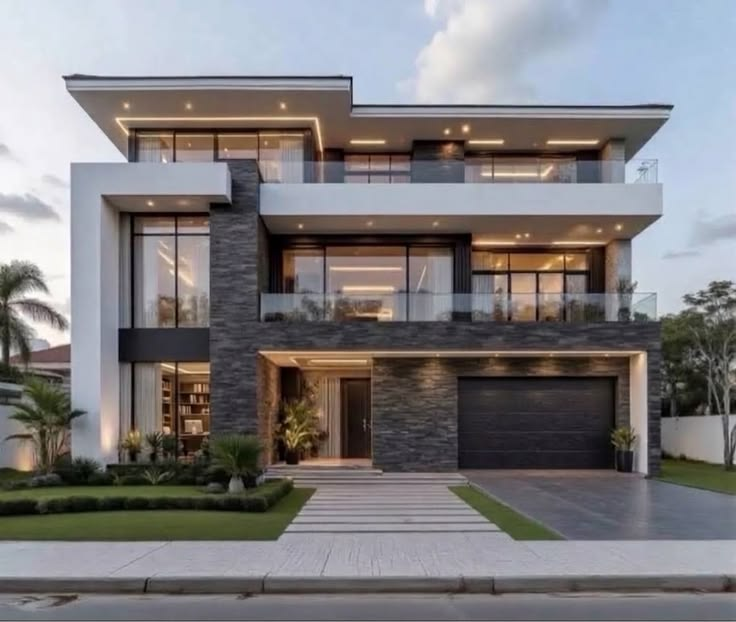
The Tale of Two Markets: Extreme Disparities in Real Estate
When we discuss the housing affordability crisis, it is crucial to recognize that the United States does not have a single, monolithic real estate market. Instead, it is a patchwork of hyper-local economies. The disparity in property pricing across different state lines is staggering.
Consider Atherton, California, which consistently ranks as the most expensive housing market in the United States. Driven by the immense wealth generated in nearby Silicon Valley and strict zoning laws that prevent high-density construction, the median home listing price in Atherton sits at an astronomical $8 million. Trying to buy a house in California, particularly in coastal enclaves, requires a level of capital that restricts market entry to the ultra-wealthy.
Contrast this with the housing landscape in West Virginia, where the median home price hovers around a highly accessible $140,000. It is no coincidence that West Virginia boasts the highest rate of homeownership of any state in the U.S., sitting at nearly 75%. California, despite its massive economic output, trails significantly with an ownership rate of roughly 55%. This massive gap highlights a fundamental truth about the housing affordability crisis: land availability, local regulatory environments, and regional economic health dictate market accessibility.
The Wealth Building Engine: Equity and the American Dream
Despite the friction caused by the housing affordability crisis, the desire to own property remains deeply ingrained in the American psyche. For more than a century, homeownership has been the primary vehicle for wealth accumulation and generational financial stability in this country. Over a quarter of all residential properties in the U.S. are currently valued above half a million dollars. This represents a massive reservoir of property equity that owners can leverage for retirement, education, or further real estate investment strategies.
This belief in the power of property ownership is not uniquely American. On a global scale, countries like Romania and Laos boast staggering homeownership rates exceeding 95%. While their economic structures differ vastly from ours, the cultural imperative to own the roof over your head is universal.
In the U.S., states like Michigan serve as a prime example of balanced, sustainable homeownership. Michigan is a national leader in both tenure and ownership rates, consistently hovering above 70%. Residents here tend to stay in their dwellings for decades, anchoring local communities. Furthermore, the median price of a home in Michigan is a reasonable $250,000—representing a steady, healthy appreciation of nearly 4% from the previous year.
Michigan also highlights how the housing affordability crisis impacts the sheer volume of space you get for your dollar. While the median square footage of a home in the United States sits around 1,800 square feet, Michigan homeowners enjoy larger properties averaging over 2,000 square feet. Nationally, new construction homes are trending even larger, frequently exceeding 2,500 square feet, though there remains a vast, aging inventory of smaller existing homes that desperately need modernization to appeal to first-time homebuyers.
The Anatomy of the Housing Shortage
To understand the mechanics of the housing affordability crisis, we must look at the math of supply and demand. As of recent data, the United States holds nearly 150 million homes, with over 130 million of those actively occupied. Yet, this is not nearly enough to house a growing population.
Years ago, the National Association of Home Builders sounded the alarm, warning that population growth trends and the aging inventory of our housing stock would lead to a severe housing inventory shortage. Today, that prediction is our reality. Estimates suggest the U.S. is currently facing a massive shortfall of nearly 6 million available homes.
Unsurprisingly, this shortage is most acute in highly populated coastal regions. California is leading the deficit, requiring approximately 2 million more homes to meet current demand, while New York faces a shortfall of nearly 1 million homes. However, raw numbers do not tell the whole story. The true crux of the housing affordability crisis in these states is development costs. Even if builders could magically construct three million homes tomorrow, the cost of land acquisition, environmental compliance, labor, and materials means these new builds would likely be priced far beyond the budgets of the average first-time homebuyer.
Conversely, some markets are experiencing the opposite problem. Fort Lauderdale, Florida, for instance, has been identified as an overbuilt market. With a median home price exceeding $500,000, supply has outpaced localized demand, resulting in 85% of homes in that market selling for less than their original list price. This misalignment—underbuilding in high-demand economic hubs and overbuilding in speculative secondary markets—exacerbates the national housing affordability crisis. The industry desperately needs to focus on constructing homes in high-demand areas that remain affordable for the specific demographics trying to purchase them.
The “Golden Handcuffs”: Interest Rates and the Remote Work Revolution
You cannot accurately analyze the 2026 housing affordability crisis without addressing the elephant in the room: mortgage interest rates. Prior to and during the early days of the COVID-19 pandemic, interest rates plummeted to historic lows. Millions of Americans wisely locked in 30-year fixed-rate mortgages at or below 3%.
Simultaneously, the pandemic triggered a remote work revolution. A massive segment of the workforce discovered they could perform their jobs from anywhere, breaking the traditional tether between corporate offices and residential proximity. However, as inflation rose and the Federal Reserve aggressively hiked rates to cool the economy, a new phenomenon emerged: the lock-in effect.
Today, homeowners who might otherwise be highly mobile—upgrading to larger homes as their families grow, or relocating for new opportunities—are refusing to sell. Walking away from a favorable 3% fixed rate to take on a new mortgage at 6% or 7% would add thousands of dollars to their monthly housing costs. Consequently, they are staying put, drastically reducing the number of existing homes hitting the market. This artificial constriction of inventory is one of the most stubborn drivers of the ongoing housing affordability crisis, forcing buyers to fight over a historically low number of active listings.
The Silver Tsunami That Wasn’t: Why Retirees Are Aging in Place
For decades, real estate market trends operated on a predictable demographic assumption: when Americans reached retirement age, they would sell their family homes in the Midwest or Northeast and flock to the warmer, tax-friendly climes of the South. But over the last few years, we have witnessed a significant trend reversal among older U.S. adults.
Instead of relocating, baby boomers are choosing to stay in their current homes. Many retirees realized that moving meant abandoning deep-rooted community ties—their trusted physicians, their places of worship, their favorite local coffee shops, and the immediate proximity of their children and grandchildren.
Financially, this decision is highly pragmatic. Thanks to the massive property equity they have built up over decades, older homeowners are discovering that it makes far more financial sense to invest in home improvement ROI rather than navigating the expensive housing market as a buyer. They are utilizing home equity lines of credit (HELOCs) to fund major renovations, adapting their current properties for accessibility so they can safely age in place. Main-floor bedroom additions, walk-in showers, and modernized layouts are keeping these homes off the market for an additional ten to fifteen years, further starving the market of inventory and pouring gasoline on the housing affordability crisis.
The Generational Divide: Millennials, Gen Z, and the Quest for Ownership
The culmination of high interest rates, low inventory, and older generations staying in their homes has created a stark generational wealth divide. While the overall rate of home ownership in the United States has remained relatively stable in the mid-to-high 60% range, peering under the demographic hood reveals a troubling disparity.
Currently, nearly 80% of Americans over the age of 65 own their homes. In sharp contrast, that number plummets to under 40% for young adults under the age of 35. For Millennials and Generation Z, the housing affordability crisis is not just an economic headline; it is a massive barrier to their long-term financial security.
The traditional formula for buying a home—saving 20% for a down payment, securing a starter home, and moving up the property ladder—has been shattered by rapid price appreciation. Even with specialized first-time home buyer loans, FHA programs, and down payment assistance initiatives, the monthly carrying costs associated with today’s property values and interest rates are simply untenable for many young professionals. High student loan debt, inflated living costs, and stagnant wage growth compared to real estate appreciation conspire to limit housing mobility for the younger demographic.
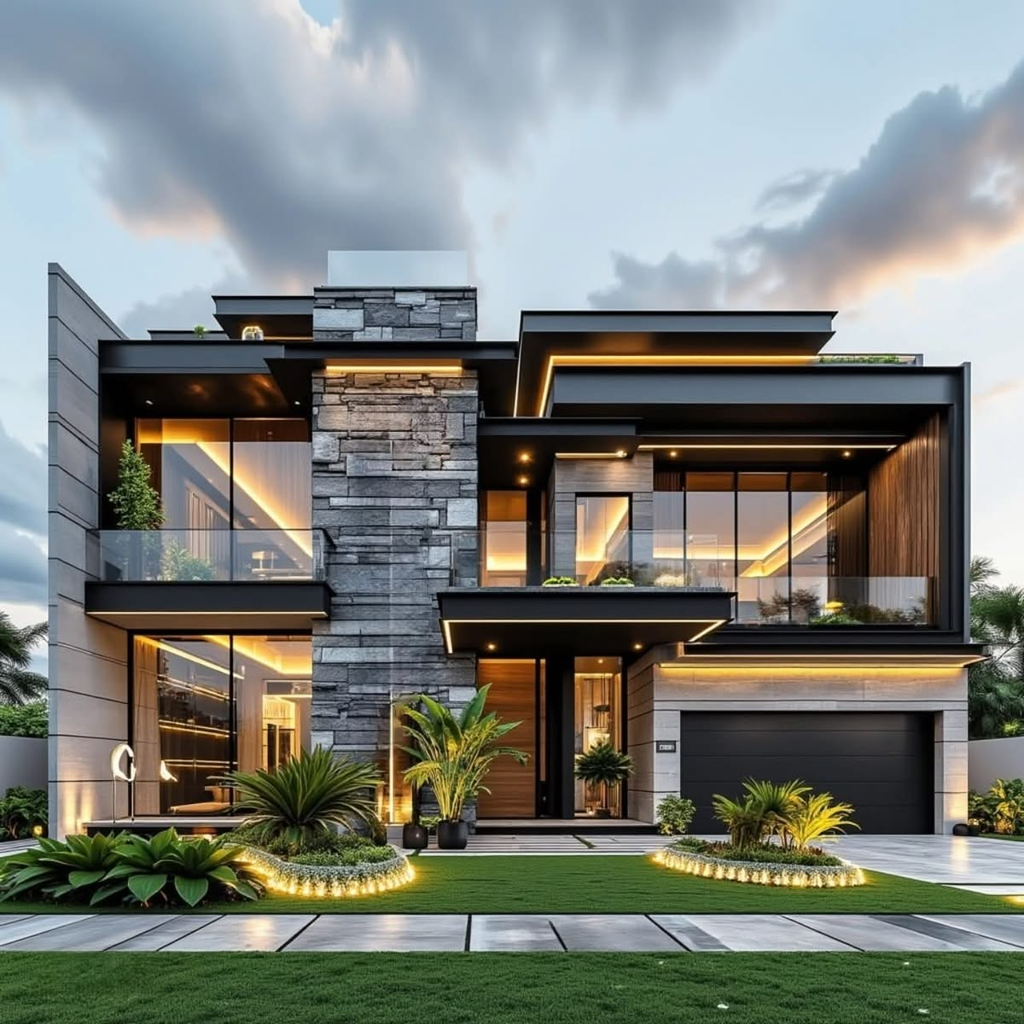
Real Estate Market Trends: Finding Solutions for the Future
Solving the housing affordability crisis will require aggressive, multi-faceted cooperation between local governments, real estate developers, financial institutions, and homebuyers themselves. There is no silver bullet, but there are clear pathways toward a healthier market.
First, municipalities must reform restrictive zoning laws to allow for higher-density housing, such as townhomes, duplexes, and multi-family units, particularly in transit-rich urban corridors. This reduces land development costs per unit, allowing builders to deliver inventory at a price point accessible to first-time homebuyers.
Second, the market anticipates that a gradual stabilization of fixed-rate mortgage money will eventually help thaw the frozen inventory. If interest rates settle into a predictable, moderate range, the psychological grip of the “lock-in effect” will loosen, encouraging current homeowners to finally list their properties and right-size their living situations.
Finally, buyers must shift their real estate investment strategies. The days of easily securing a turn-key, single-family home in a premium neighborhood on a starter budget are largely behind us. Navigating the housing affordability crisis requires flexibility. Buyers are increasingly looking at secondary markets, exploring “house hacking” by renting out portions of their property to offset mortgage costs, and focusing on fixer-uppers where they can force appreciation through strategic renovations.
The current landscape is undeniably challenging, but real estate remains one of the most robust, inflation-proof investments available. The key to successfully traversing this high-stakes environment is education, preparation, and expert guidance.
If you are tired of sitting on the sidelines and want to explore actionable strategies for building wealth through property in today’s market, reach out to our team of dedicated professionals today to schedule a comprehensive, personalized real estate consultation.